


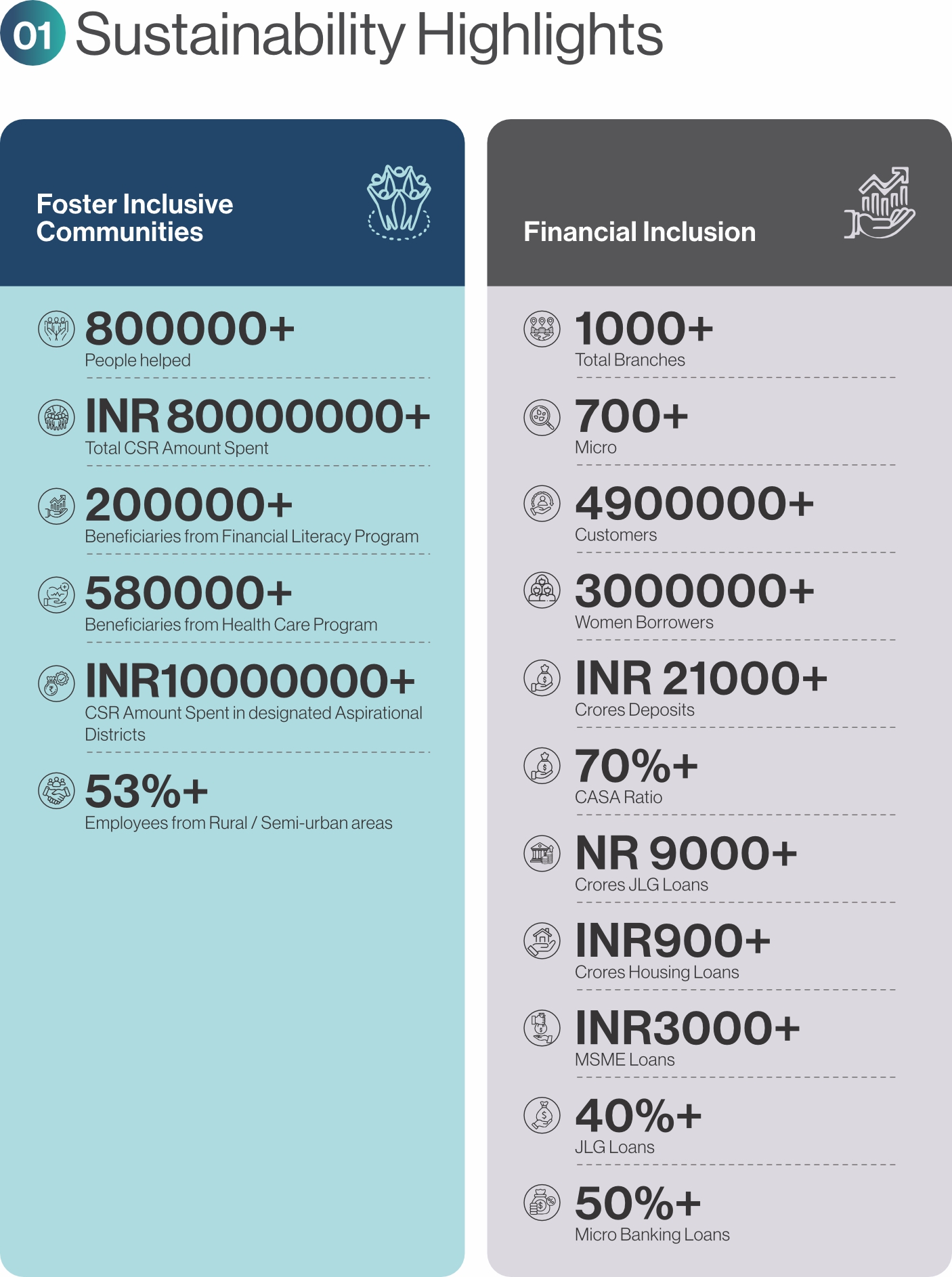
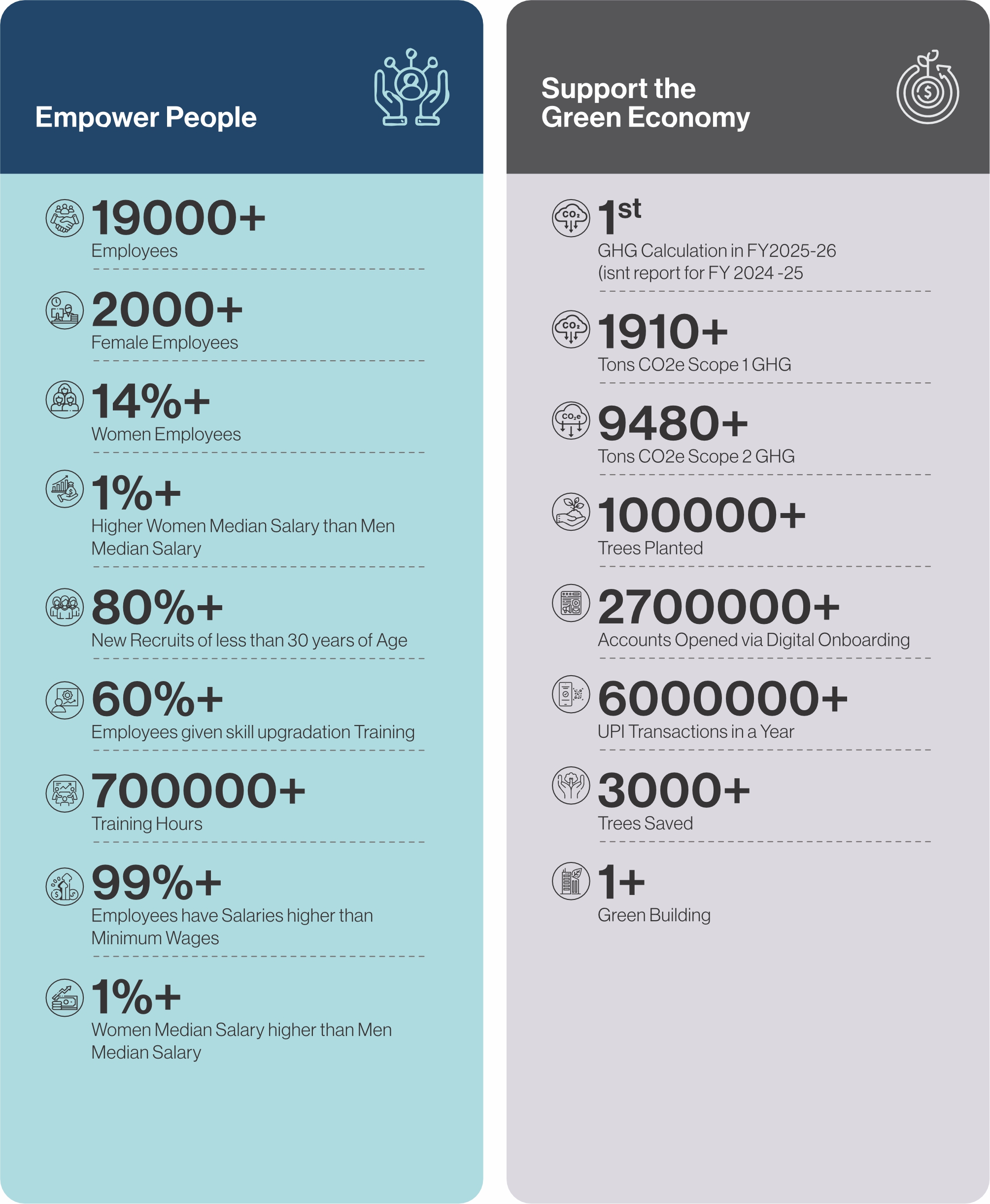
Sustainability Highlights
About the Report
Utkarsh Small Finance Bank Limited is happy to present its 2nd Annual Sustainability Report providing transparency and accountability regarding our sustainability performance for a reporting period of April 01, 2024 to March 31, 2025. We are committed to increasing
Reporting Frameworks and Benchmarks
The data and topics that are included in this Report are guided and informed by the GRI reporting standard. The GRI standard is one of many recognized ESG reporting frameworks that provide topics, structure and advise companies on which ESG data and information to disclose. This makes company disclosure comparable across the industry. The GRI framework is one of the most widely used reporting frameworks and contains universal, topic and sector standards, which are used together to comprehensively disclose and organize ESG reporting. GRI reporting topics are voluntary, but GRI itself is a tool that demonstrates our commitment to reporting transparency
In addition, we have used SASB Standards, BRSR Reporting, PRB (Principles of Responsible Banking) along with linkages to the United Nations Sustainable Development Goals (UN SDGs).
transparency and voluntary disclosure about our business and operational activities. This report reflects our impact across key topics and issues that are important to both our business and our varied and diverse stakeholders. This report aims to offer our stakeholders
Scope and Reporting Boundary
The reporting boundary encompasses all of Utkarsh Small Finance Bank’s operations, including our headquarters in Varanasi, Regional Offices and Branch offices spread across the country.
Responsibility Statement
This report is a fair representation of Utkarsh Small Finance Banks’ financial, non-financial, sustainability, and operational performance for FY2024-25 and
a comprehensive assessment of Utkarsh Small Finance Bank’s Sustainability vision, performance, and initiatives, all of which materially influence our business
Communication of Feedback
Utkarsh Small Finance Bank actively encourages feedback from stakeholders to continuously improve our sustainability efforts. Stakeholders can provide their input and comments through various channels, including the company’s website, dedicated email address (secretarial.usfb@utkarsh.bank), and during stakeholder engagement sessions. Additional information about Utkarsh Small Finance Bank’s sustainability initiatives and access to this and future sustainability reports can be found on the company’s official website: C:\Users\shumailatambe\Documents\Utkarsh\www.www.utkarsh.bank https://www.utkarsh.bank/

About the Company
Geographical Reach
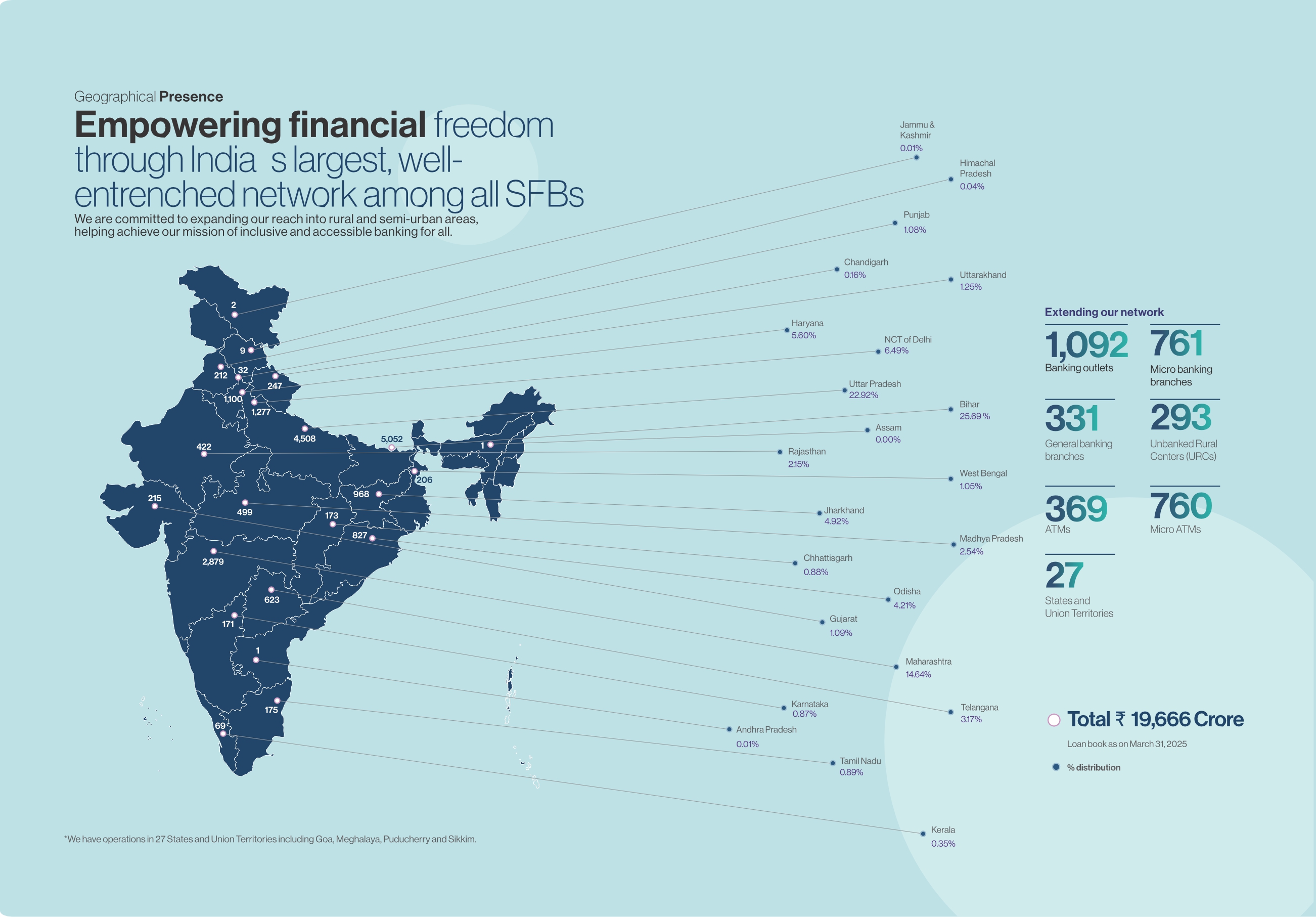
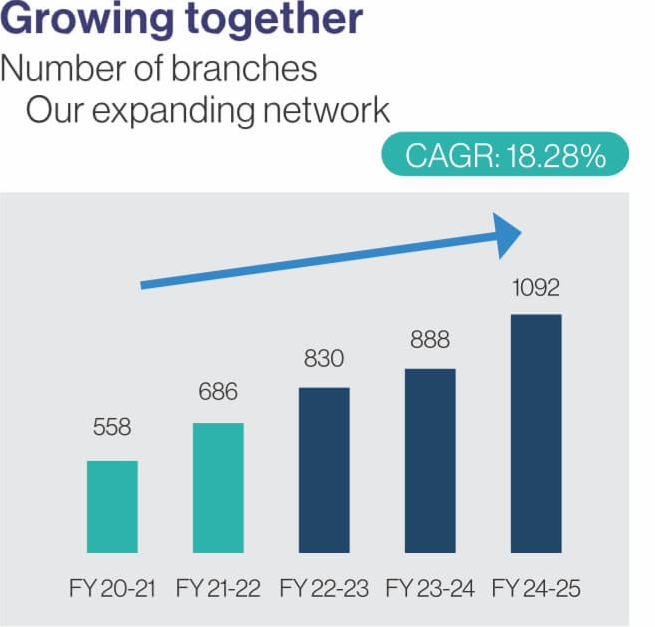
Utkarsh Small Finance Bank has established a significant geographical footprint, operating 1,092 banking outlets across 27 states and union territories as of March 2025. We have built our strongest networks in Bihar and Uttar Pradesh, which together contribute to nearly half of both our branch presence and gross loan portfolio, demonstrating our commitment to serving regions with a high need for inclusive financial solutions. Over recent years, we have strategically expanded our operations beyond our heartland, reaching communities in metro, semi-urban, and rural locales for broader financial inclusion.
- Message from Chairman
- Message from CEO
- Advancing our Sustainability Strategy
Message From Chairman
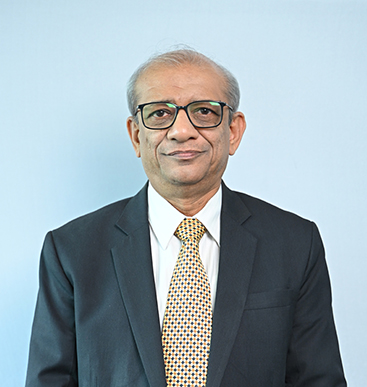
I am privileged to present the Sustainability Report for FY 2024-25, marking another milestone in Utkarsh Small Finance Bank’s journey towards responsible and inclusive growth. As Chairman, I view sustainability not merely as a compliance obligation
but as a long-term strategic imperative that shapes our institutional legacy and aligns with the Principles of Responsible Banking.
Dear Stakeholders,
Over the past year, we have successfully expanded our footprint to 1,092 branches across 27 states and Union Territories,
reflecting our determination to reach underserved populations. This expansion is guided by our commitment to align business growth with
India’s net-zero goals, the Paris Agreement, and the UN Sustainable Development Goals, ensuring that we contribute to both national and
global priorities.
Our green infrastructure, anchored by the GRIHA 5-star certified Utkarsh Tower, demonstrates how business operations
can minimize environmental impact while promoting resilience. Reductions of 40% in energy consumption and 70% in water usage, along with solar
energy meeting nearly 15% of our needs, demonstrates how setting measurable targets enables us to create positive outcomes and reduce negative
impacts.
Social inclusion remains at the heart of our business. With over 30 lakh women customers, women-led branches, and a substantial
number of women employees, we are not only providing access to finance but also empowering individuals and communities to build long-term
independence and security. By offering bespoke products to underserved groups, we act as responsible partners to our clients and customers,
supporting practices that enhance sustainable livelihoods.
Sincerely,
Parveen Kumar Gupta
Chairman
Utkarsh small Finance Bank Limited
Message from MD & CEO
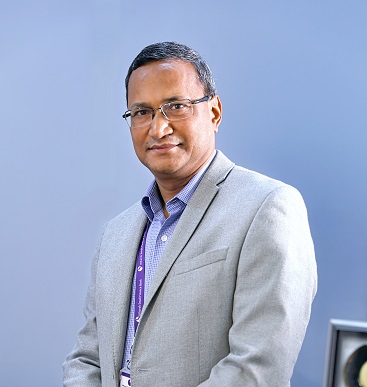
It is my honour to share the FY 2024-25 Sustainability Report, showcasing the tangible strides Utkarsh Small Finance Bank has made towards embedding sustainability into our business operations, customer engagement, and community impact.
Dear Customers, Partners, and Colleagues,
Our digital transformation efforts gained strong momentum this year with more than 21 lakh accounts opened through innovative
digital platforms such as V-KYC and UPI Lite. This progress enabled a significant move towards paperless banking, reducing our environmental
footprint by saving millions of sheets of paper annually. At the same time, it enhanced financial accessibility for rural and underserved
populations, reinforcing our mission of inclusive banking.
In FY 2025, we also achieved an important milestone by undertaking greenhouse
gas emission calculations for the first time. By measuring Scope 1 and Scope 2 emissions across our head office, branch network, and ATMs,
we have established a clear baseline that will guide our future carbon reduction and energy efficiency initiatives. This step marks the beginning
of a more structured journey towards climate responsibility.
Our workforce diversity continues to be a source of strength, with over 2,300 women
employees and multiple women-led branches representing our belief that inclusive growth starts from within. This commitment is also visible in our
tailored financial products that have positively impacted the lives of over 30 lakh women customers, enabling greater autonomy and socio-economic
empowerment in communities previously marginalized
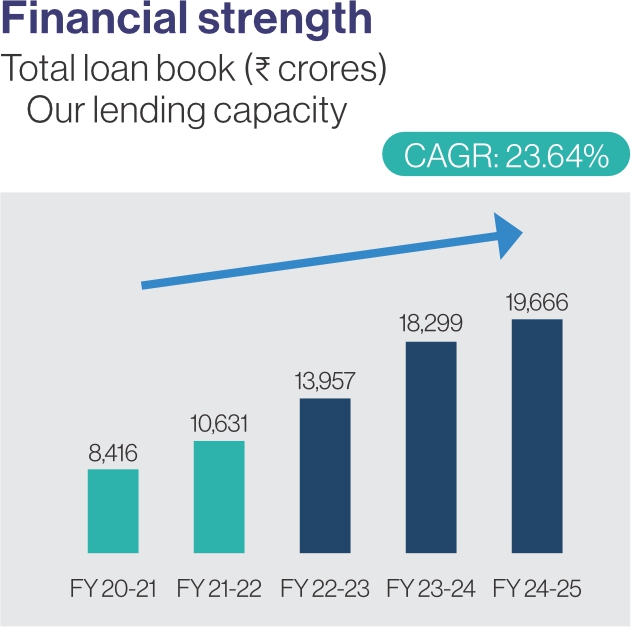
Operationally, the Bank demonstrated resilience and prudence during the year. Deposits grew by 23.4 percent to H21,566 crore, while the gross loan portfolio expanded to H19,666 crore. Despite wider economic challenges, we maintained robustasset quality and strong capital adequacy and liquidity ratios, underscoring our disciplined approach to risk management.Governance has been further strengthened with enhancements to our cybersecurity and data privacy frameworks, alongside the integration of climate-related financial risk assessments into our lending and investment decisions. Regular materiality assessments ensure that our ESG priorities remain relevant and aligned with regulatory requirements and global frameworks such as the GRI. A vital part of our internal sustainability journey has been the focus on employee capability building. This year, we expanded training programs that cover risk management, digital banking, financial inclusion, customer service excellence, and leadership development. These initiatives are cultivating a culture of continuous learning and equipping our teams to meet the evolving needs of customers responsibly.Our corporate social responsibility programs, implemented through the Utkarsh Welfare Foundation, impacted more than 11 lakh lives during the year. Flagship initiatives such as the Mahila Udyami Sashaktikaran Programme supported women entrepreneurs with capacitybuilding and financial independence, while the Village Development Programme promoted sustainable livelihoods through activities such as mushroom cultivation, backyard poultry, and agricultural training. Smart Classes and Nutrition Gardens improved learning environments and child health in government schools, and E-Clinics launched in Uttar Pradesh and Bihar, alongside healthcare support in Meghalaya, expanded access to primary healthcare services. In addition, polyclinic health camps, sanitary napkin vending initiatives, and livelihood programs for artisans and weavers strengthened community well-being and resilience. In the state of Uttarakhand, Utkarsh Welfare Foundation hasbeen actively working in the districts of Almora, Dehradun,Haridwar, and Udham Singh Nagar. With a vision to promotesustainable development and enhance community wellbeing, these initiatives empower rural households through livelihood enhancement, healthcare, financial literacy,education, and women’s empowerment. In FY 2024–25, theFoundation positively impacted nearly 2.6 lakh lives in the region. Livelihood programs focused on organic farming,backyard poultry, and mushroom cultivation are helpingfamilies strengthen economicsustainability. Smart Classes in government inter colleges andcomputer literacy training underthe Education Programme areenhancing digital and academic learning. On the health front,E-Clinic services, the SwasthyaMitra initiative, and healthawareness programs are bringingaffordable, quality healthcarecloser to rural communities. Inaddition, the Financial AwarenessProgramme is connecting familiesto government schemes, buildingfinancial literacy, and enablingprudent economic decisions,fostering resilience and long-termsecurity. Looking ahead, sustainability remains central to the Bank’s vision, driving innovation, responsible growth, and social empowerment. I extend my heartfelt gratitude to our employees, customers, board members, investors, and partners for their trust and continued collaboration. Together, we will build a future where financial progress goes hand in hand with environmental stewardship and inclusive development
Warm Regards,
Govind Singh
Managing Director & CEO
Utkarsh Small Finance Bank Limited
Advancing our Sustainability Strategy
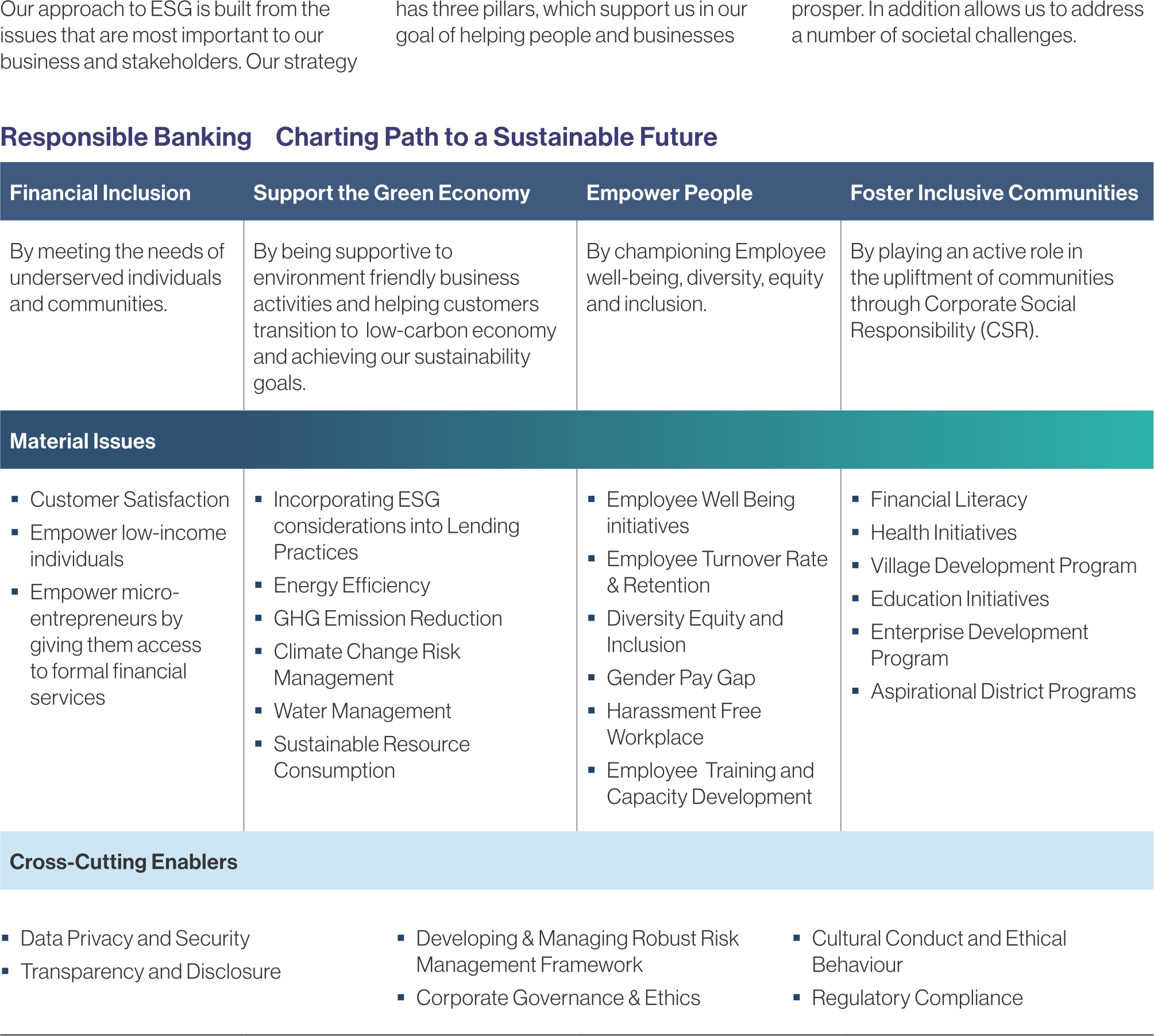
Our approach to ESG is built from the issues that are most important to ourbusiness and stakeholders. Our strategy
has three pillars, which support us in our goal of helping people and businesses
prosper. In addition allows us to address a number of societal challenges.
- Stakeholder Identification & Channels of Communication
- Material Issues from Stakeholder Engagement
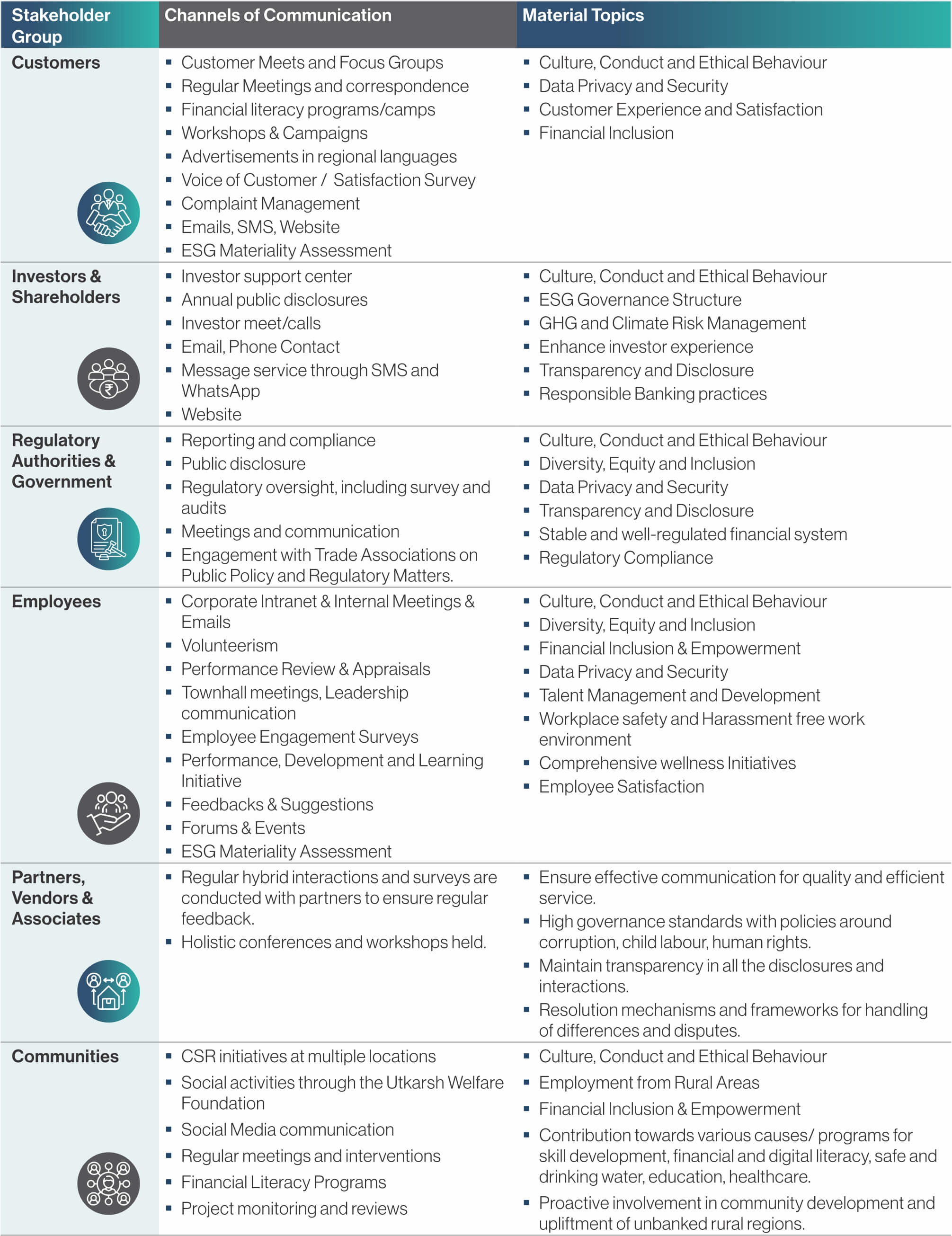
Stakeholder Identification & Channels of Communication
Utkarsh Small Finance Bank’s stakeholders fall within the following broad categories: Customers, Employees, Communities, Investors, Government and Value Chain Partners.
The Bank prioritizes transparent and open communication and engagement with its stakeholders. The valuable feedback from these stakeholders is crucial in enhancing the Bank’s business
strategies and risk management practices. This feedback enables the
Bank to refine its internal processes, capitalize on business opportunities, reduce operational uncertainties, and maintain a competitive edge, all while delivering value to every
stakeholder involved. Communication channels and material topics are further defined below
Material Issues from Stakeholder Engagement
- Methodology and Process
- Materiality Matrix
- ESG Risks & Opportunities
Methodology and Process
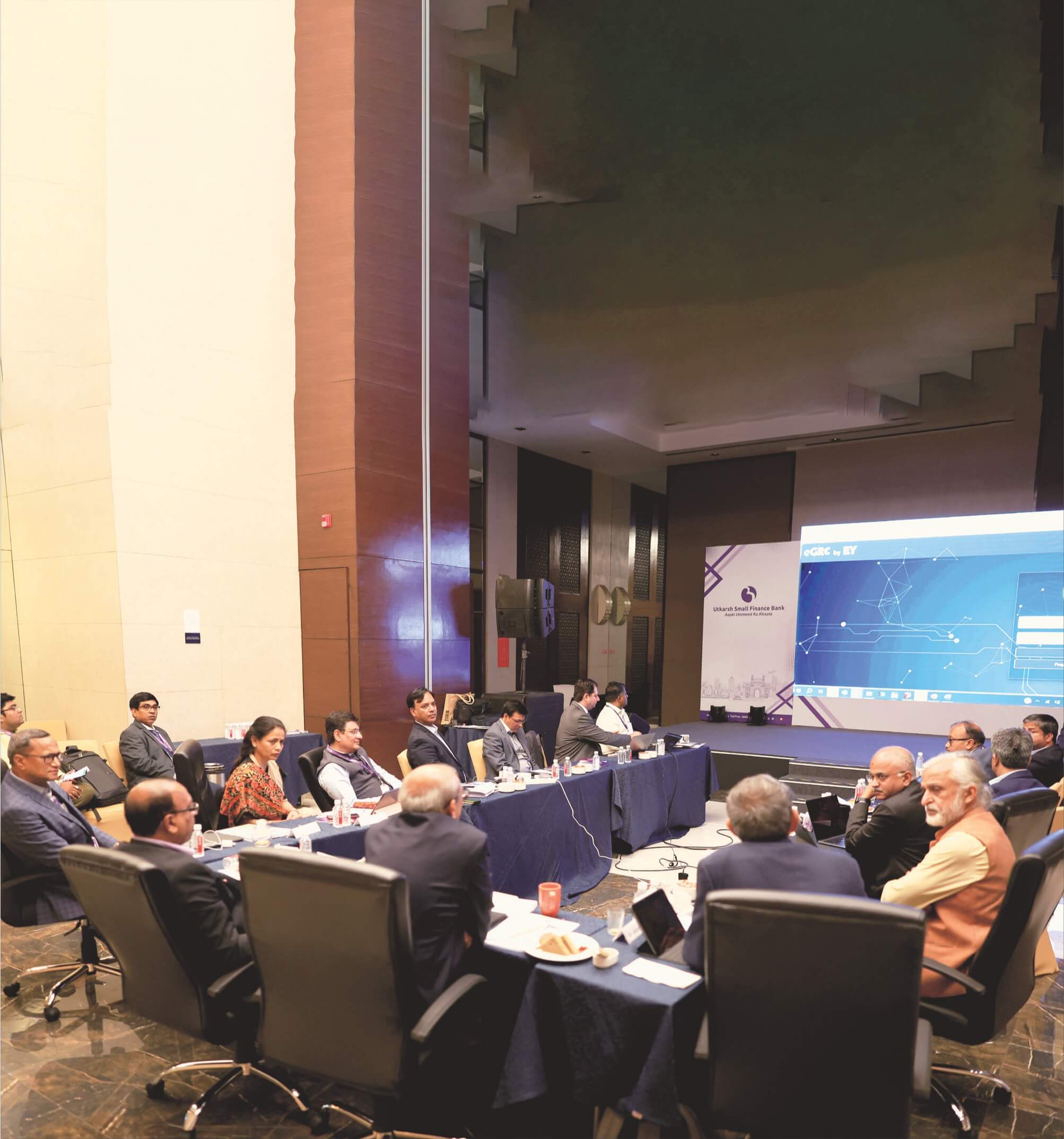
To effectively focus our ESG strategy, our company stakeholders both internal and external, participated in an issue prioritization exercise to identify our most material ESG issues
in terms of importance to our business and our community. This exercise identifies a range of issues across the ESG categories. Ultimately issues are prioritized and plotted on a matrix, which ranks
issues based on impact to our business and our community.The Bank conducted this assessment through interviews, surveys and
research with key stakeholders. Stakeholders included, but were not limited to, our executive and board leadership, investors, customers, colleagues, non-profit and community partners,
regulators and peers.Our assessment methodology aligns to Utkarsh Small Finance Bank’s broader methodology and included three phases: 1. Material topic identification: Develop a preliminary list
of topics based on a variety of internal and external sources
2. Stakeholder input collection:Conduct surveys, interviews and research to capture stakeholder input 3. Scoring and validation: Assign weights to different topics
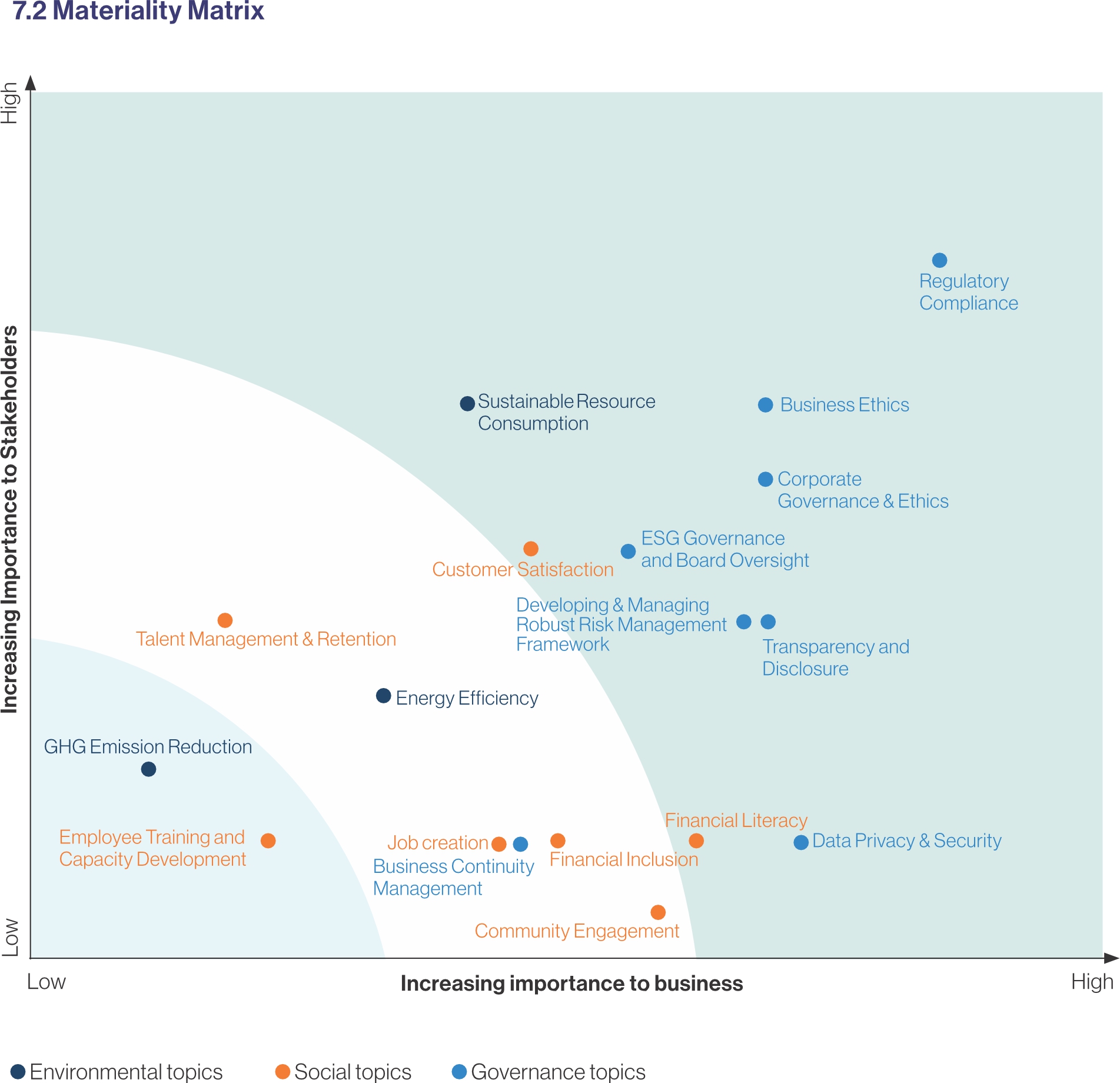
and generate materiality matrix. The issues identified in this prioritization will drive our ESG strategy and reporting in the years ahead. The X-axis of the materiality assessment graph implies importance
to business whereas the Y-axis implies importance to the Bank’s stakeholders.
Materiality Matrix
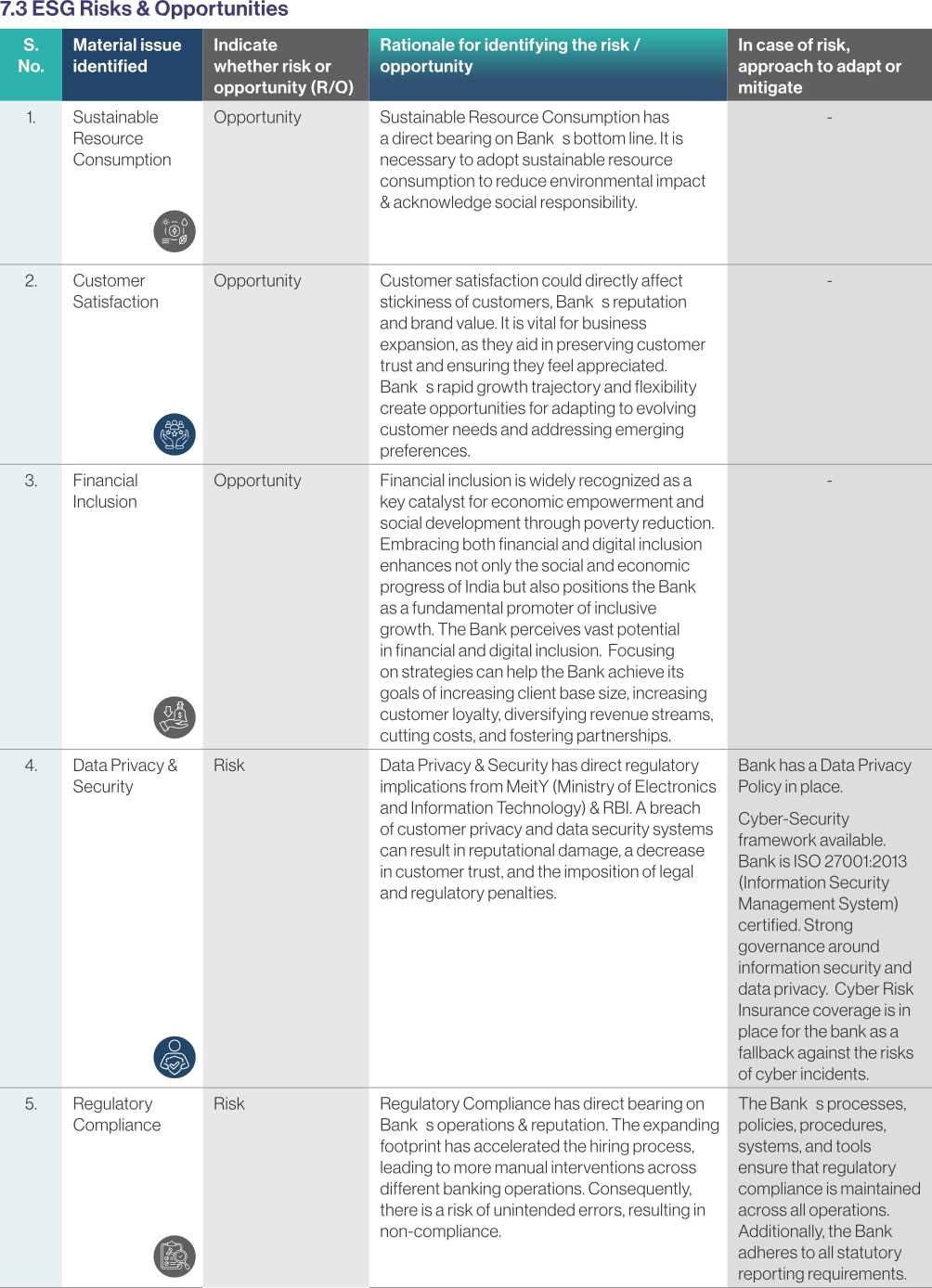
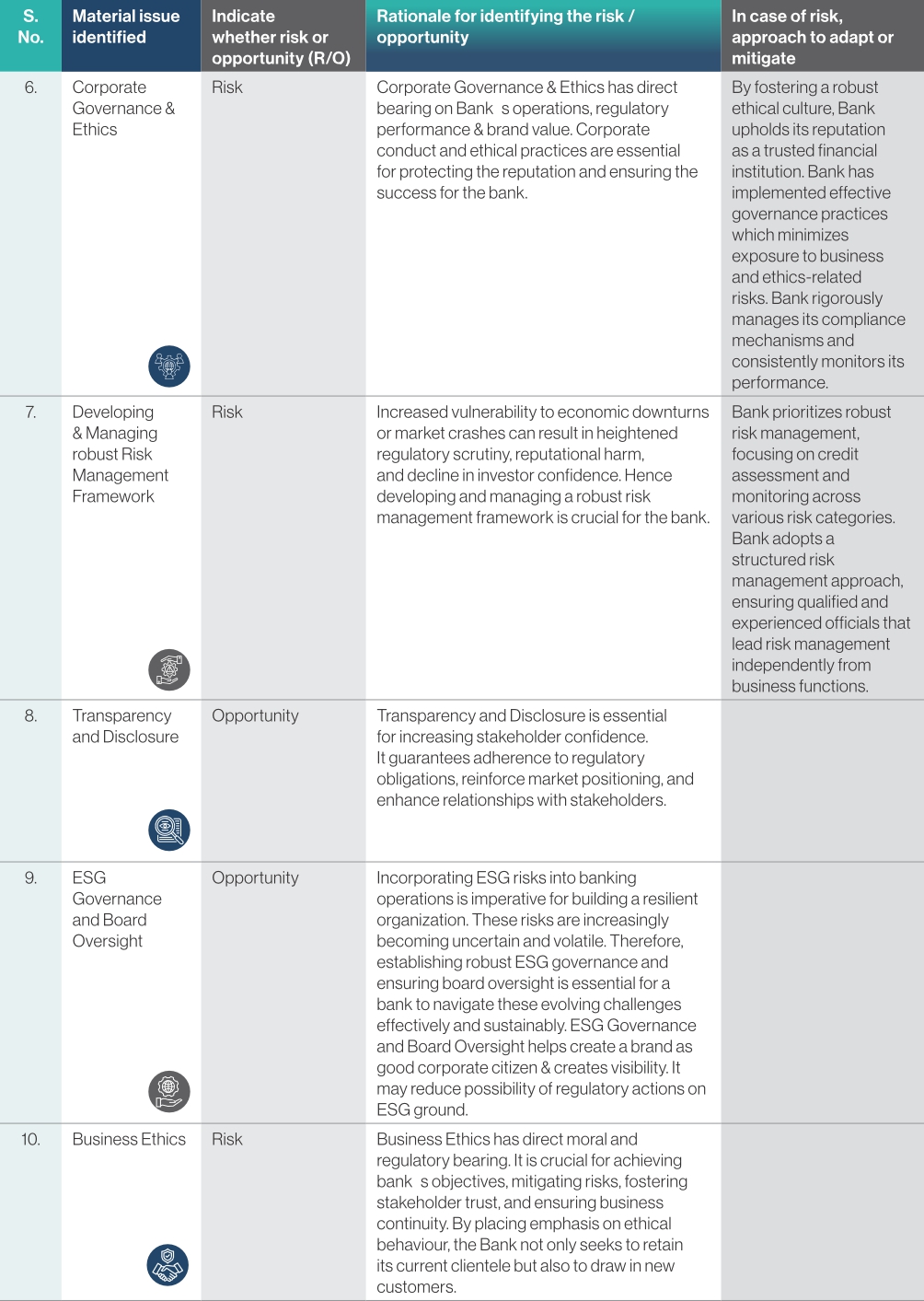
ESG Risks & Opportunities
Principles of Responsible Banking (PRB) and Utkarsh Small Finance Bank
The Principles for Responsible Banking (PRB), developed by the United Nations Environment Programme Finance Initiative (UNEP FI) in collaboration with 30 founding banks, came into force on 22 September 2019 at the UN General Assembly in New York. On that date, more than 130 banks from 49 countries, collectively representing over USD 47 trillion in assets, became the first official signatories to the principles.
The Principle of Responsible Banking (PRB) was established to align the strategies and practices of the banking sector with society’s evolving needs particularly in environmental, social, and governance
(ESG) areas to advance the global goals embedded in the UN Sustainable Development Goals (SDGs) and the Paris Climate Agreement, while also considering regional and national development priorities. These principles encourage
banks to play a pivotal role in addressing global challenges such as climate change, biodiversity loss, inequality, and social inclusion.The framework emphasizes that banks should align their business strategies
with global and local sustainability goals to ensure that long-term growth is balanced with responsibility towardpeople and the planet. They are expected to continuously assess the environmental and social impacts of their
financing activities and, based on these assessments, set clear targets to address their most significant impacts.
Such targets may relate to climate action, biodiversity conservation, financial inclusion, or the protection of human rights, and they should be publicly disclosed to enhance credibility and accountability
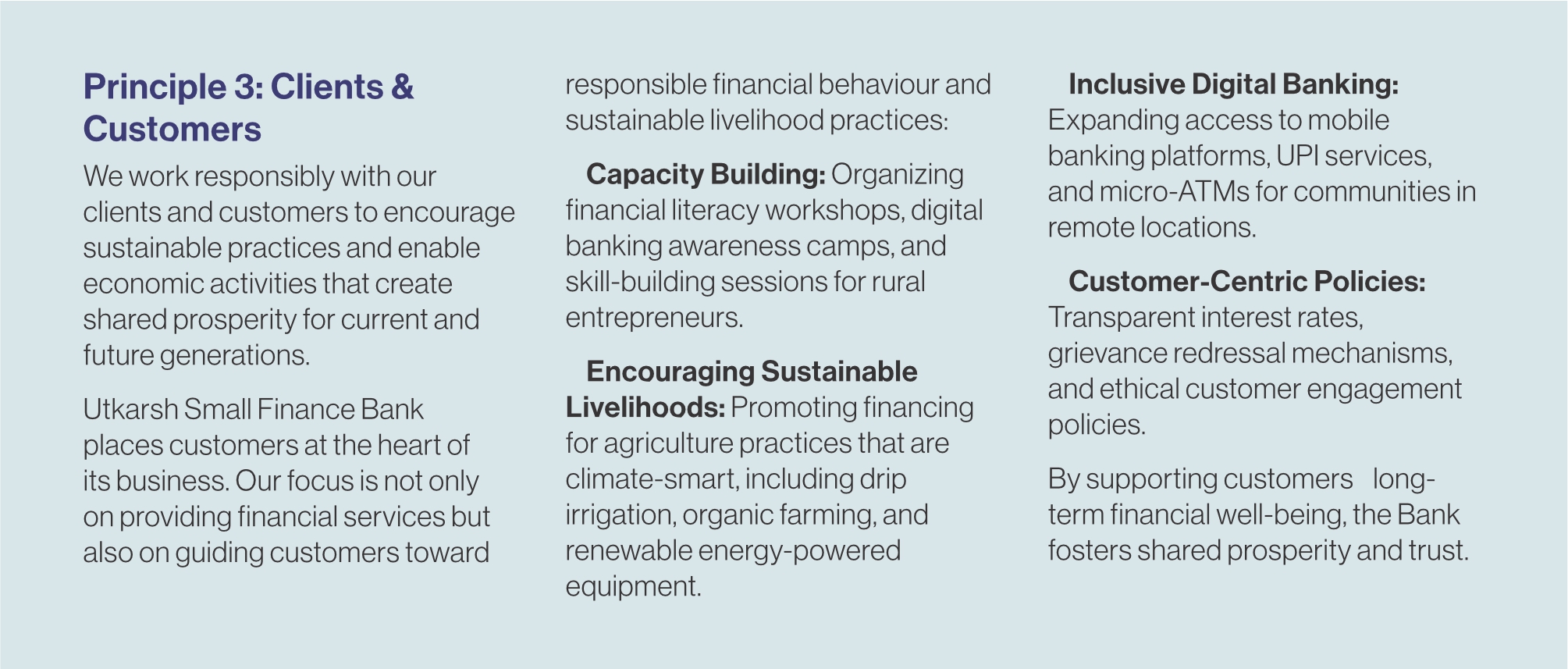
In addition, banks are encouraged to work with their clients and customers to foster sustainable practices, providing products and services that enable a shift toward greener and more inclusive economic models. This
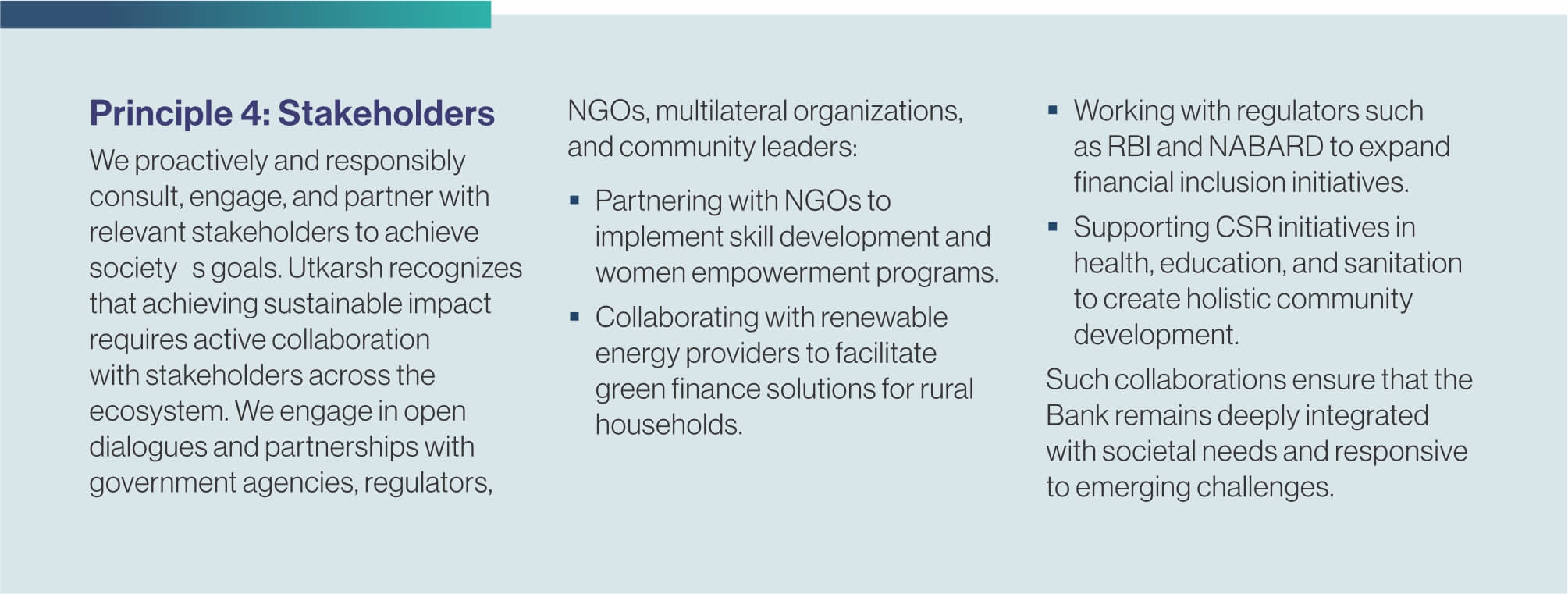
collaboration is complemented by the need to engage with a wide range of stakeholders, including regulators, investors, civil society, and local communities, to drive collective progress toward sustainable development.
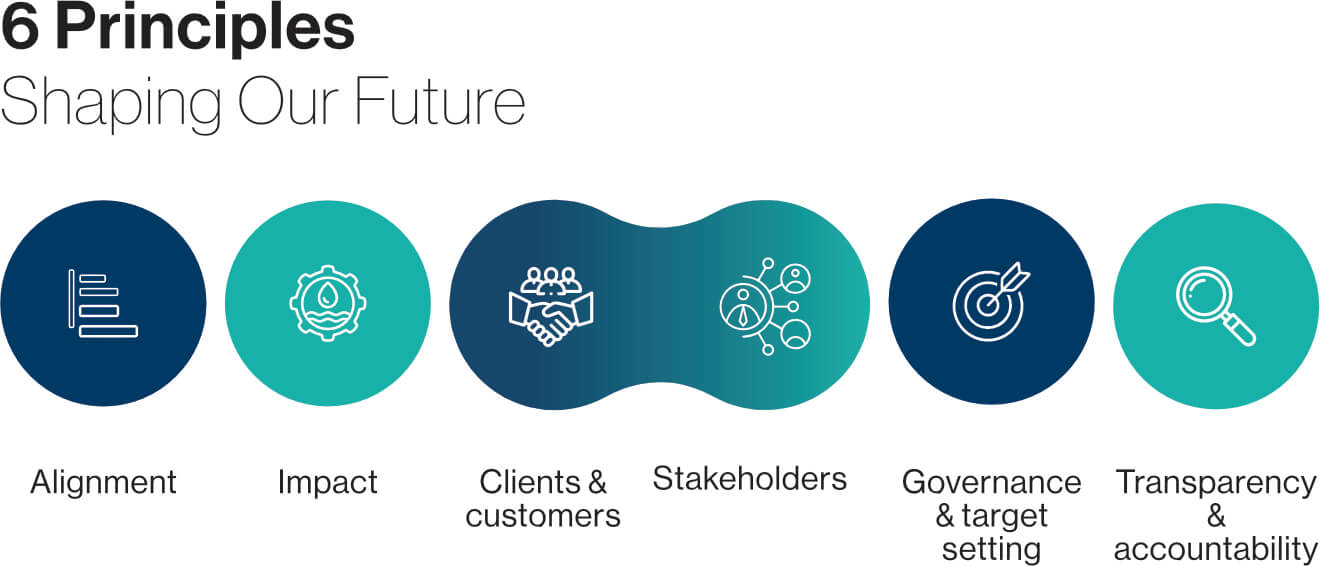
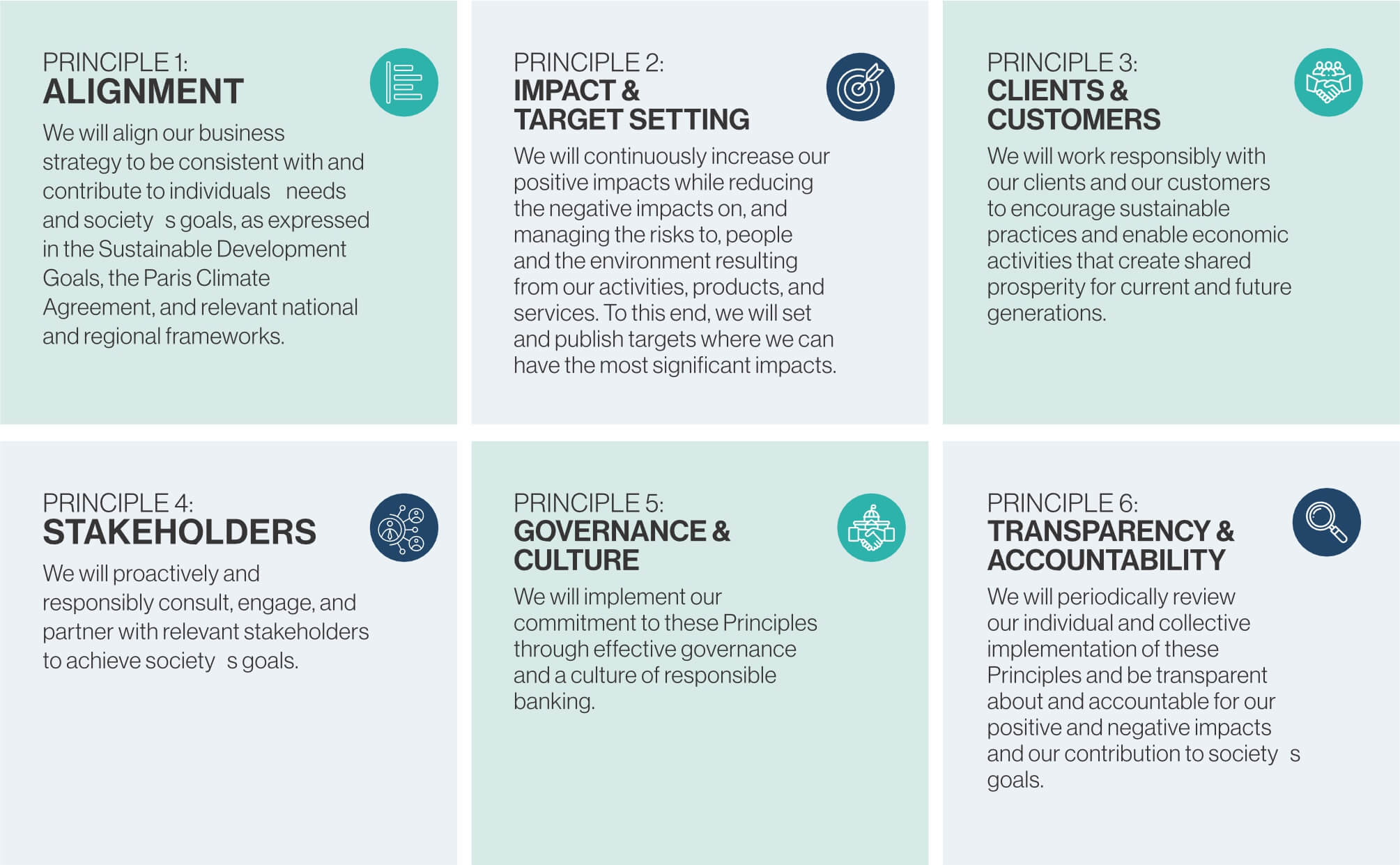
Effective implementation of these principles also relies on embedding strong governance mechanisms and fostering a culture of accountability throughout the organization. This requires integrating sustainability
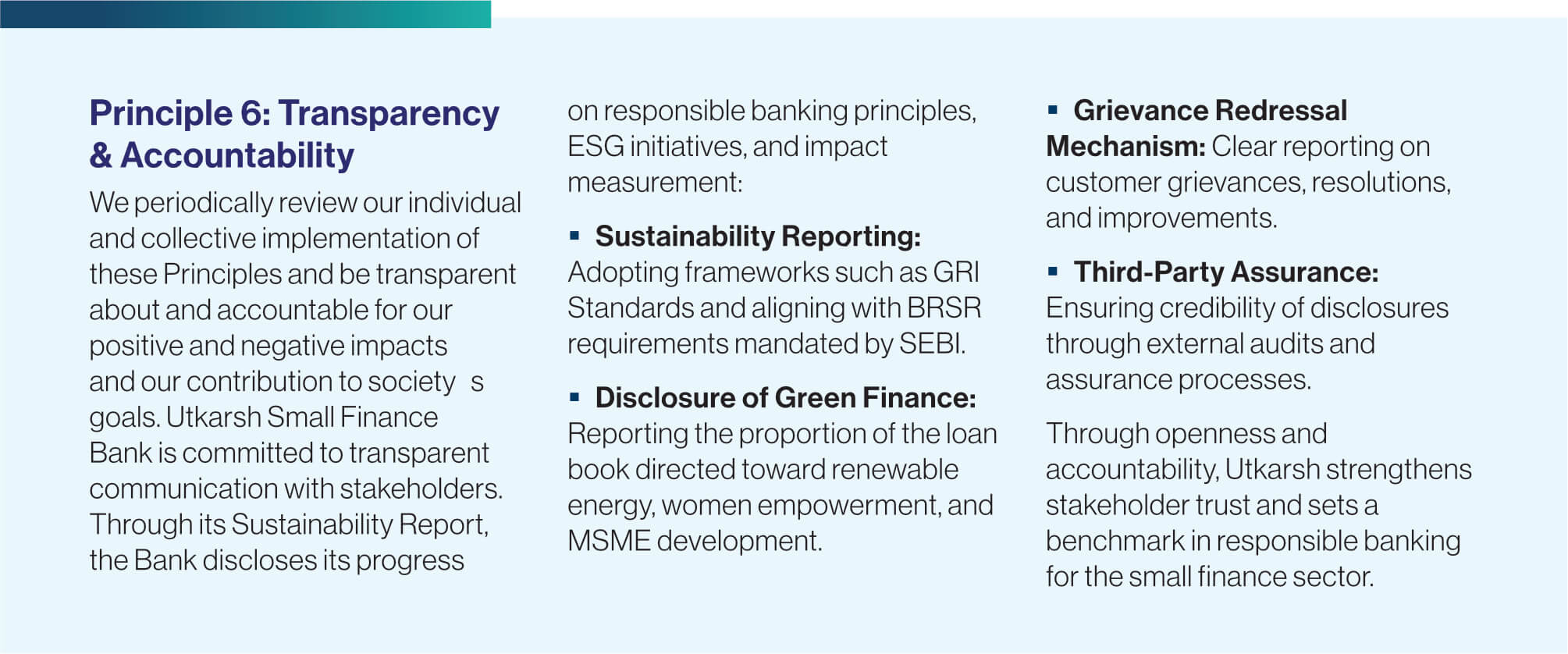
into decision-making processes, risk management, incentive structures, and employee training. Finally, transparency and accountability are central to the framework, with banks committing to regularly disclose their progress,
challenges, and achievements in implementing the principles. This openness not only builds trust but also ensures continuous improvement
in the sector’s contribution to global sustainability.Utkarsh Small Finance Bank (USFB) has been founded on the mission of financial inclusion, with the vision to empower underserved communities
through access to affordable credit, savings, and other financial services. As a progressive institution committed to sustainable growth, the Bank recognizes that its long-term success is inherently tied to the prosperity of
the environment, society, and economy in which it operates.
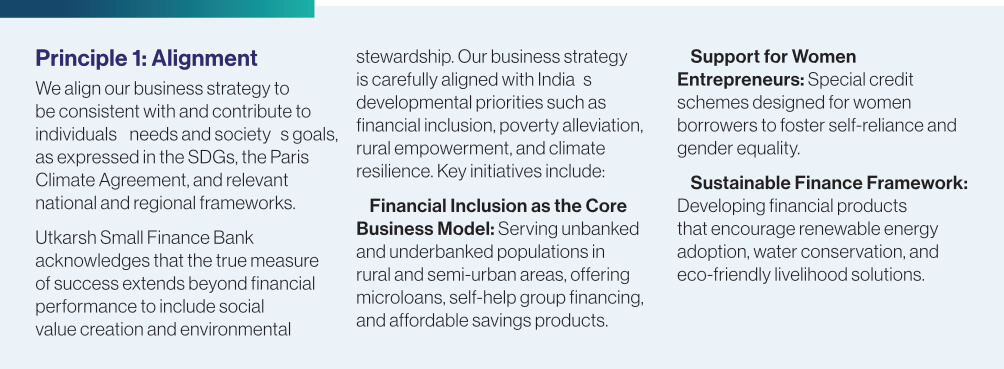
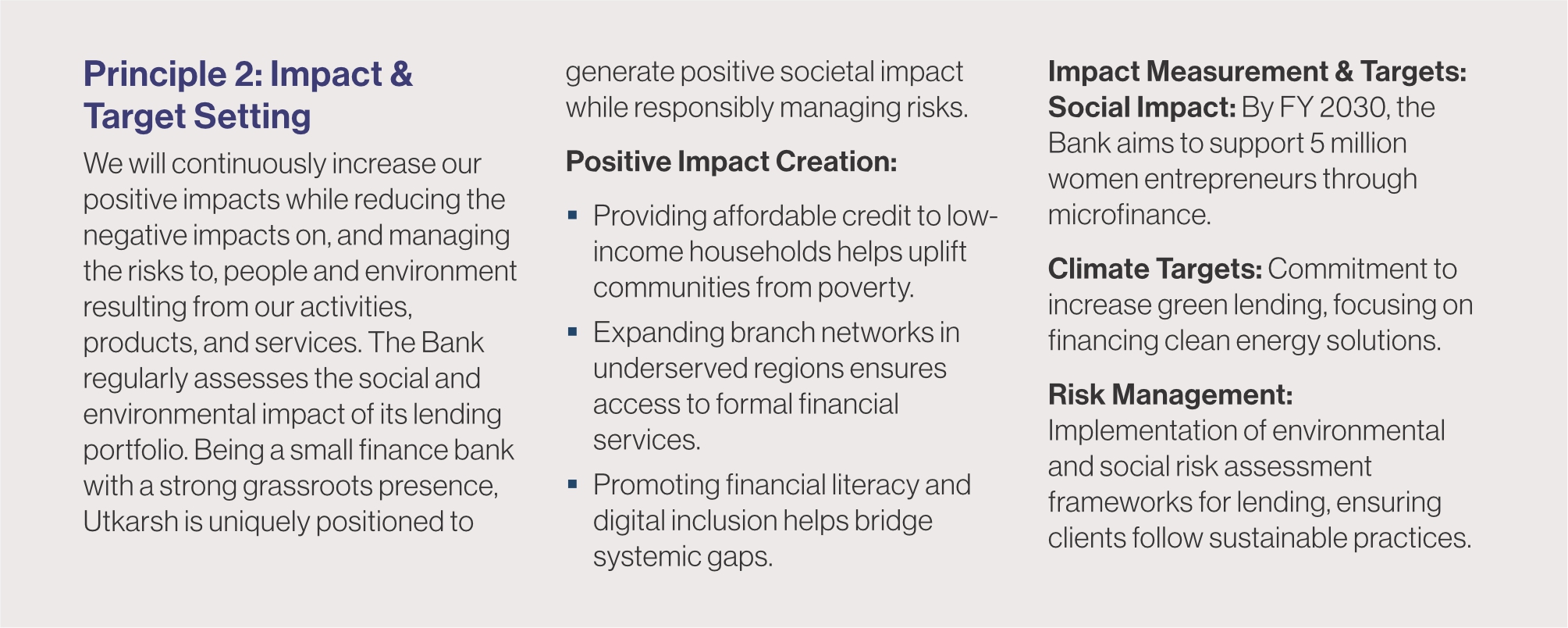
By aligning with the UN Principles for Responsible Banking (PRB), Utkarsh
Small Finance Bank reaffirms its dedication to embedding sustainability at the core of its business strategy, operations, and stakeholder engagement. The PRB framework provides a comprehensive guide to shaping
a resilient banking system that contributes to people’s needs and societal goals as expressed in the Sustainable Development Goals (SDGs) and the Paris Climate Agreement.The following sections highlight how Utkarsh Small
Finance Bank is embracing each principle of responsible banking, while continuing to strengthen its position as a purpose-driven institution

Principle 5: Governance & Culture
We implement our commitment to these Principles through effective governance and a culture of responsible banking. Governance forms the backbone of responsible banking. At Utkarsh, we ensure that sustainability considerations are integrated into our governance framework and decision-making processes: Management Level Oversight: The Bank’s ESG Steering Committee monitors environmental, social, and governance (ESG) performance. Policies & Frameworks: Implementation of ESG policies, ethical lending standards, and Sustainable Finance Framework.Culture of Responsibility: Internal training programs for employees to foster awareness of sustainability practices, customer ethics, and financial responsibility.Diversity & Inclusion in Governance: Representation of women and professionals from varied backgrounds in senior management positions This culture of responsibility ensures that our workforce is aligned with the values of integrity, transparency, and accountability.

Contribution to SDGs
Utkarsh SFB strives to balance financial success with social responsibility and environmental stewardship. Its sustainability strategy outlines a clear roadmap, ensuring that its operations are in step with current ESG trends, regulatory requirements, and stakeholder expectations. By embedding sustainable banking practices, the bank strengthens the adaptability of the financial system, tackles pressing environmental and social issues, and supports the transition to a more sustainable and inclusive economy.

- Financial Inclusion for Positive Social Impact
- Addressing the Financial Divide
- Our Rationale for Existence
- Customer Centricity and Service Innovation
- Customer Satisfaction and Grievance Management
Financial Inclusion for Positive Social Impact
Financial inclusion is not just a service; it’s a fundamental right and a prerequisite for the well-being of individuals and the cohesion of society.
Addressing the Financial Divide
We are passionate about setting up a new age lending entity leveraging technology to bring about a positive change in lives of the underserved segment of India. The Company focuses on reaching out to unbanked and providing financial services to women entrepreneurs. Along with financial services, we also shoulder the responsibility of educating our clients on financial literacy. This holistic approach contributes to empowering women entrepreneurs, fostering economic independence and promoting financial well-being in rural communities.
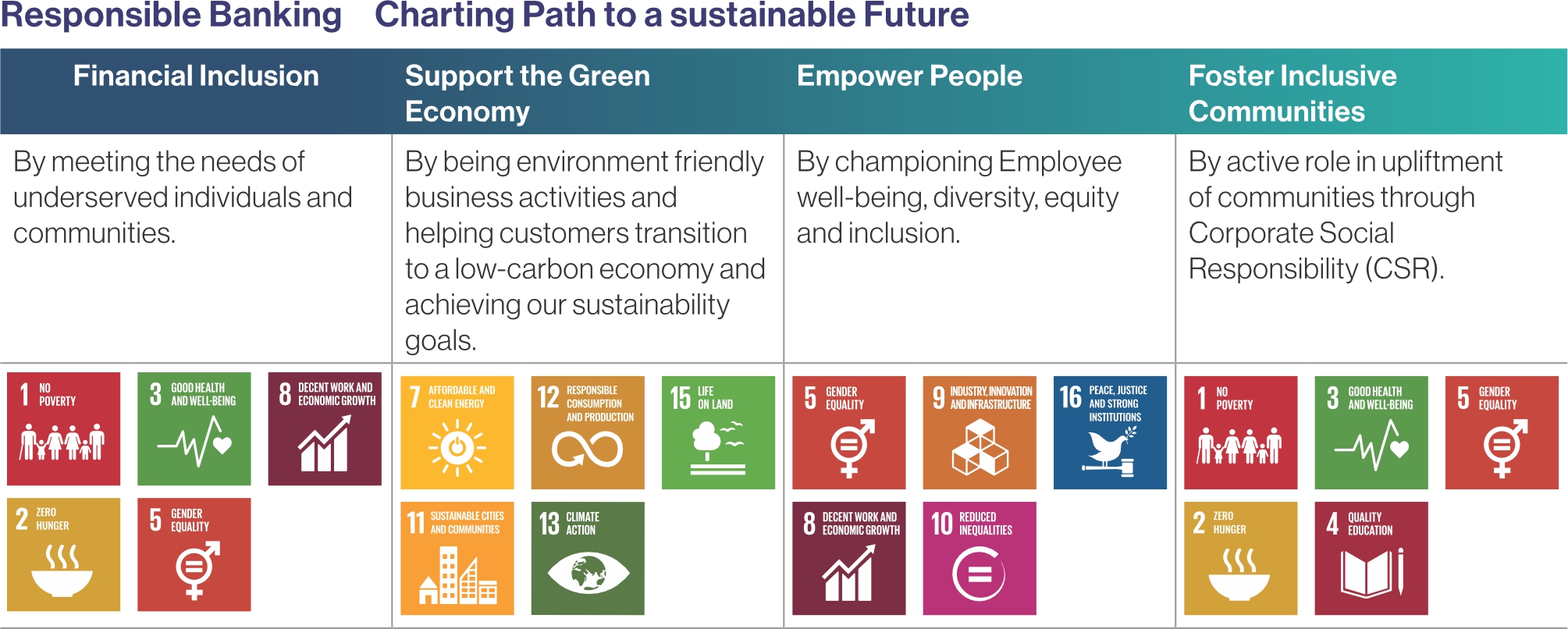
By providing financial services to the underserved, we contribute to SDG 1 (No Poverty), addressing economic disparities. Our commitment to supporting women entrepreneurs aligns with SDG 5 (Gender Equality), fostering empowerment in rural communities. Embracing technology for financial inclusion reflects alignment with SDG 9 (Industry, Innovation, and Infrastructure). The mission to reduce inequalities in access to financial services corresponds to SDG 10 (Reduced Inequalities), promoting inclusive growth. Our Collaborative efforts in financial literacy and partnerships contribute to SDG 17 (Partnerships for the Goals), emphasizing the importance of collective action for sustainable development. We are dedicated to create a positive social impact and align with the global agenda for a more equitable and sustainable future.
Our Rationale for Existence
We empower low-income individuals and micro-entrepreneurs by giving them access to formal financial services.
At the heart of Utkarsh’s journey lies a deep commitment to financial inclusion, which forms the foundation of its very rationale for existence. The institution was established with a vision to bridge the gap between mainstream financial services and the millions of underserved individuals across India, especially in semi-urban and rural geographies. For far too long, these communities have remained excluded from formal banking systems, relying instead on informal credit sources that often trap them in cycles of debt. Utkarsh recognises that the ability to access credit, savings, and other financial services is not merely a matter of convenience but a fundamental enabler
of economic empowerment and social transformation.
One of the most significant aspects of Utkarsh’s financial inclusion strategy is its focused attention on women entrepreneurs. Globally, evidence shows that women are disproportionately excluded from formal finance despite being central to household welfare and community development. Through our comprehensive approach, we serve over 30 lakh women customers, most of whom are microfinance borrowers organised through self-help groups and joint liability groups. By extending microfinance loans, encouraging entrepreneurship, and embedding financial literacy programs, Utkarsh
provides women with tools to not only enhance their income but also improve decision-making power within families.
On Ground Capabilities
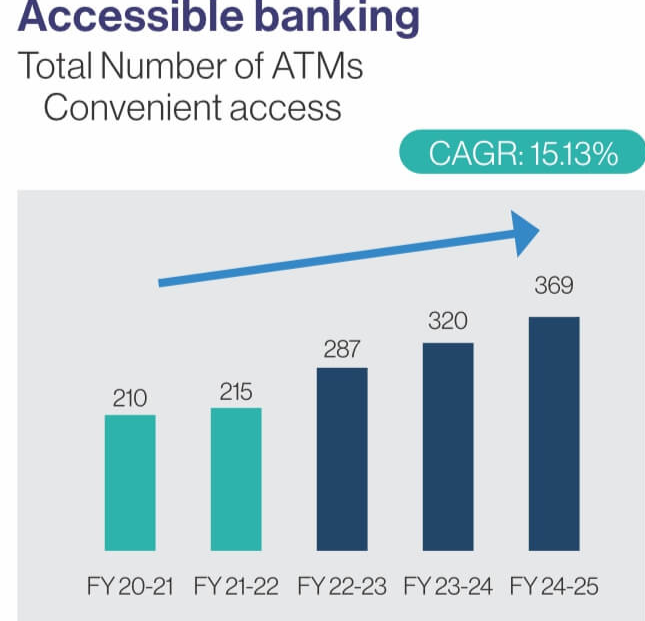
Accessibility to savings and transactional banking is equally vital in financial inclusion. Utkarsh has recognised that reaching underserved communities requires not only offering credit but also facilitating deposits, withdrawals, and remittances. To this end, the bank has expanded its ATM network steadily at a CAGR of 15%, achieving a total of 369 ATMs as of the end of March’25. Our Branch network has been growing to 1092 at a CAGR of 18% in 27 states of the country.
Geographically, our presence reflects our commitment to reaching the most underserved regions. Nearly 86 percent of our micro-banking branches are located in rural and semi-urban locations, ensuring that financial inclusion is not limited to cities but reaches the heart of India’s villages. By placing our branches closer to communities that need them most, we make it easier for individuals to access savings accounts, loans, insurance, and other essential services without having to travel long distances. This local presence also helps build trust, as
customers engage with staff who often come from the same regions and understand their circumstances deeply.
This growing network allows customers in remote areas to access their funds with ease and enabling greater financial independence. The accessibility of ATMs, coupled with digital banking initiatives, helps bridge the gap between rural customers and the modern financial system, reducing the friction of financial transactions
Borrowers
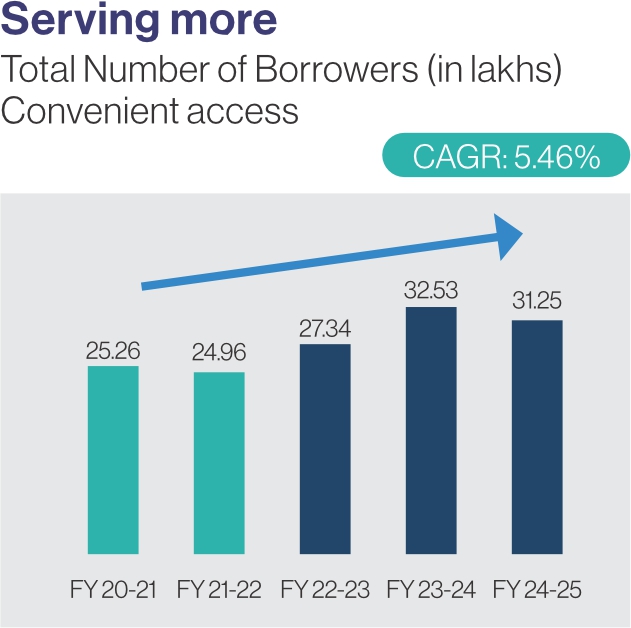
As of 31st March’25, Utkarsh serves over 31 lakh borrowers, reflecting the magnitude of its reach and impact. This vast borrower base represents more than just numbers; it embodies stories of transformation from small farmers investing in better seeds and equipment, to artisans scaling up their traditional crafts, to women establishing small businesses that support household income. Every borrower connected to the Utkarsh ecosystem demonstrates the institution’s ability to convert vision into action.
Loan Book
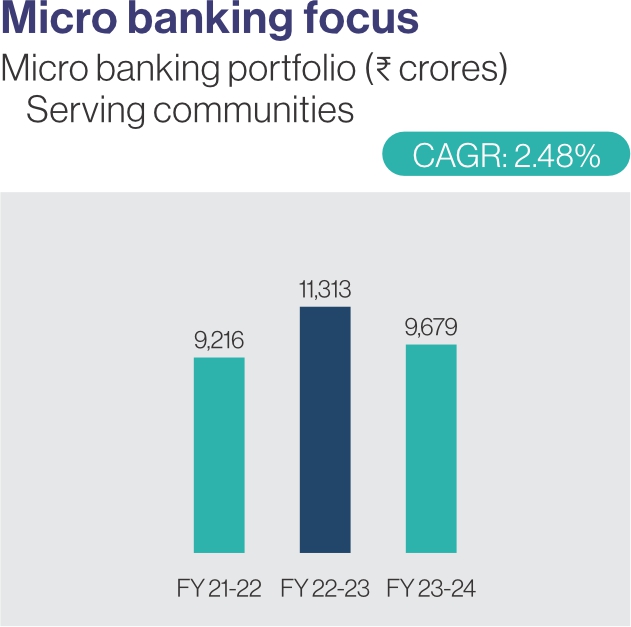
The bank’s loan book growth further highlights this commitment. Micro banking, which accounts for 49% of the total loan portfolio and stands at ₹9,679 crores, underscores Utkarsh’s foundational focus on serving the most vulnerable. Micro-loans are often modest in size but high in impact, enabling clients to invest in livestock, expand local shops, or purchase tools necessary for their trade. Such small-ticket loans fuel big dreams, proving that financial inclusion is not about charity but about enabling resilience and economic participation
Housing Finance
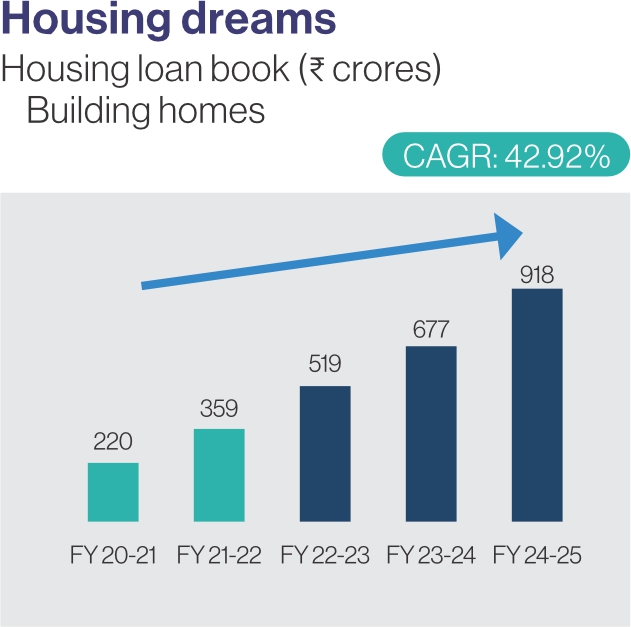
Recognising that secure shelter is a cornerstone of dignity and stability. The housing loan portfolio, which has grown at a compound annual growth rate of 42.92% to reach ₹918 crores, enables families in underserved markets to own or upgrade their homes. This not only strengthens household well-being but also contributes to community stability and local economic growth through increased demand for constructionrelated services
Microfinance
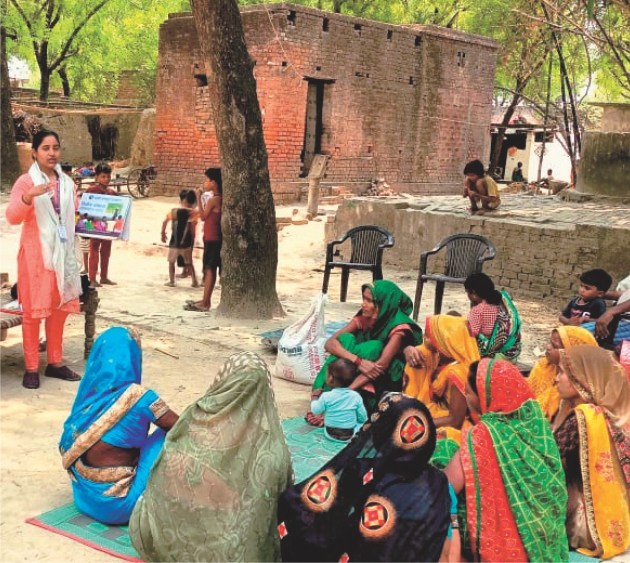
Our microfinance portfolio with more than 30 lakh borrowers, represents one of the largest networks of women-led borrowing groups in the country. These groups are not only financial collectives but also platforms for peer learning, solidarity, and social change. Women who once had no access to credit now run small businesses, from tailoring and handicrafts to vegetable vending and dairy farming creating steady income streams that uplift their families. The multiplier effect of empowering women is visible across dimensions—better nutrition and education for children, improved health outcomes, and a stronger social fabric in communities
MSME Lending
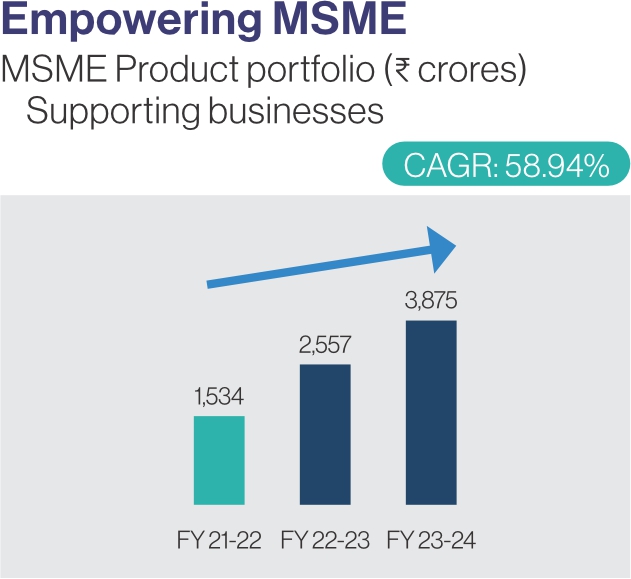
Supporting micro, small and medium enterprises with tailored financial products enables business growth and job creation in underserved markets.MSME lending has been growing at an impressive CAGR of 59%.
Empowering MSME
MSME Product portfolio (₹ crores) – Supporting businesses
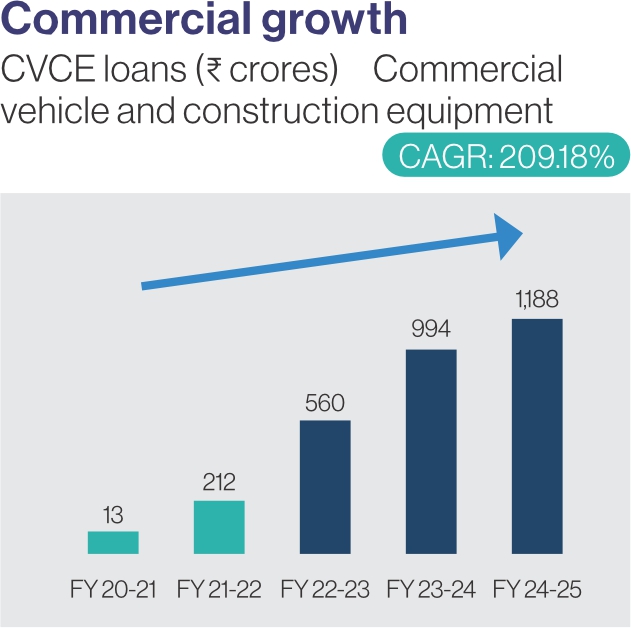
Commercial Vehicle and Construction Equipment (CVCE) Financing
Providing entrepreneurs with access to commercial vehicles and construction equipment, enabling them to expand their businesses and increase income potential. CVCE Financing has been growing fast and has reached ₹1,188 Crores.
Financial Literacy
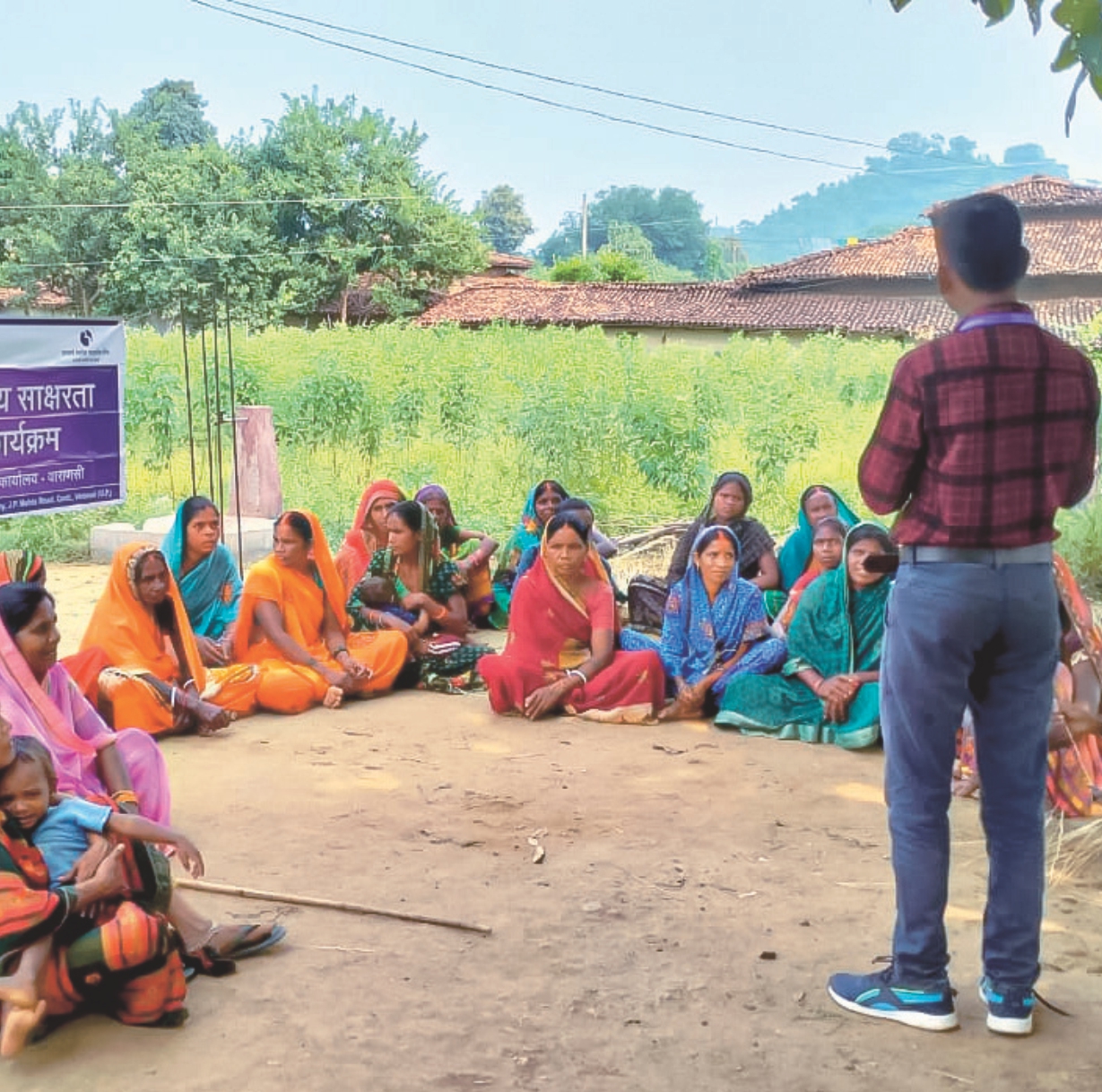
Financial literacy remains a critical enabler of true financial inclusion, which Utkarsh has embedded this into its model. Providing access to financial products is not enough; communities must also be equipped with the knowledge and confidence to use them effectively. Through structured training sessions, community meetings, and awareness programs, the bank empowers customers to make informed decisions about savings, credit, and investments. This ensures that financial inclusion translates into long-term, sustainable growth for individuals and communities rather than short-lived access.
Impact
The impact of our financial inclusion efforts is visible in stories from across rural India. A woman in Bihar who once borrowed to purchase a sewing machine now runs a tailoring business that supports her family and pays for her children’s education. A group of women in Uttar Pradesh have pooled their microfinance loans to start a dairy enterprise that supplies milk to local markets. Farmers in Madhya Pradesh use agricultural loans to invest in better seeds and equipment, improving productivity and incomes. These stories illustrate how financial services, when accessible and inclusive, become powerful tools of transformation.
The broader mission of Utkarsh is to foster economic independence and promote inclusive, sustainable growth across rural India. By addressing the unique needs of rural populations—whether through microloans, housing finance, ATMs, or literacy programs—the institution demonstrates that financial inclusion is not a side activity but the very core of its strategy. It views every borrower, depositor, and entrepreneur not just as a customer but as a partner in the collective journey of economic empowerment.
In conclusion, Utkarsh’s commitment to financial inclusion goes beyond banking—it is about nation-building at the grassroots. Every loan disbursed, every ATM installed, and every literacy workshop conducted contributes to strengthening the financial fabric of the country. As India continues its journey towards becoming a more equitable and prosperous society, institutions like Utkarsh will play a pivotal role in ensuring that no community is left behind. The story of Utkarsh is thus not only about business growth but also about social transformation, demonstrating how financial services can be a powerful instrument for inclusive and sustainable development.
Customer Centricity and Service Innovation
At Utkarsh Small Finance Bank we place our customers at the heart of everything we do. Our purpose goes beyond offering financial products. We aim to create meaningful experiences that make banking simple, accessible, and empowering for every individual. Customer centricity for us means listening carefully to customer needs, designing solutions that address those needs, and continuously innovating to improve convenience, reliability, and trust.
A central part of our approach is the use of digital technology to bring services closer to customers. We have embraced paperless banking as a way to reduce our environmental footprint while also simplifying customer interactions. These changes make account opening, loan processing, and other services faster and more transparent for customers,
many of whom are first-time users of formal banking
We have also invested in digital platforms that improve financial literacy and inclusion. By integrating education with access, we ensure that customers not only use banking services but also understand them, thereby reducing the risks of misuse or financial vulnerability
The growth in mobile and UPI transactions highlights how our innovations are being embraced by customers. We also recognize that many of our customers face challenges such as limited literacy, language barriers, or lack of familiarity with technology. This ensures that customers can interact with us in the language they are most comfortable with, enhancing both accessibility and trust. We have also introduced innovative tools such as QR-enabled kiosks, AI-driven chatbots, and video KYC facilities. These tools not only reduce the time taken for services but also empower customers to manage
their financial activities independently and securely.
Customer centricity is not only about digital solutions. It is also about ensuring that the personal touch remains intact. Our employees are trained to provide empathetic and patient support, especially to first-time customers. We encourage our staff to view every interaction as an opportunity to build confidence and trust. In communities where formal banking is a new experience, this human-centred approach makes all the difference in creating lasting relationships.
Through our customer centricity and service innovation initiatives we reaffirm that banking is not only about transactions but about creating long-term relationships built on trust, simplicity, and value. Our customers are our partners in growth, and every innovation we introduce is guided by the goal of making their journey with Utkarsh smoother, safer, and more rewarding.
Customer Satisfaction and Grievance Management
At Utkarsh Small Finance Bank, we understand that customer satisfaction is the foundation of trust and loyalty. For us, every customer interaction is an opportunity to reinforce this trust by delivering timely, transparent, and empathetic service. We know that banking is deeply personal for our customers, many of whom are engaging with formal financial institutions for the first time, and we are committed to ensuring that their experiences with us are smooth, fair, and respectful.
A key part of building satisfaction is listening carefully to our customers. We have developed a comprehensive grievance redressal mechanism that provides multiple channels for customers to register their concerns. Complaints can be submitted through our branches, contact centres, customer care, email, website, or the online dispute resolution portal. We have also introduced a missed call facility with a 24-hour call-back service in regional languages so that even customers with limited literacy or digital familiarity can access support. This multi-channel approach ensures that no customer is excluded and that every voice has a platform
Our grievance redressal framework is structured with a three-tier escalation system. At the first level complaints are addressed at the branch itself, where staff members are empowered to
provide quick solutions. If issues remain unresolved, they are escalated to the Nodal Officer, and finally, if needed, to the Principal Nodal Officer. This structure ensures accountability at each level while maintaining a clear timeline for resolution. For normal cases we aim to resolve complaints within ten working days, with specific timelines applied to complex issues. By setting clear standards we ensure that grievances are not only addressed but addressed promptly.
Customer satisfaction is also measured and monitored through regular surveys and audits. We conduct structured customer satisfaction surveys, branch audits, and analytics-based reviews of service quality. These exercises help us identify areas of strength and highlight opportunities for improvement. We were able to improve complaint resolution speed by nine percent year-on-year, demonstrating measurable progress in our responsiveness.
The combination of surveys, audits, and grievance mechanisms creates a feedback loop that continuously strengthens our services. Every grievance resolved is not just a problem addressed but also a learning opportunity. We use these insights to refine our policies, simplify processes, and train our employees, ensuring that similar issues do not recur. This commitment to learning from our customers is what allows us to evolve as an institution that truly reflects the needs of the people we serve


- ESG Policy
- Incorporating Environmental and Social Considerations into Lending Practices
- Sustainable Finance Framework
- Energy Management
- Climate Change Strategy, Risk and Transition
- Paris Climate Agreement
- RBI Draft Disclosure on Climate Risks (2024)
- Climate Roadmap
- GHG Emissions & Net Zero Target
- Water Management
- Digitisation and Sustainable Resource Consumption
- Resource Efficiency & Waste Management
- Green Building and Sustainability Initiatives
ESG Policy
As a financial institution dedicated to sustainable development, Utkarsh Small Finance Bank acknowledges that enabling progress entails safeguarding the shared environment. While the Bank’s core operations are not typically resource-intensive, its extensive footprint, comprising 1092 branches across 27 States and Union territories along with a growing digital infrastructure, inevitably creates environmental impacts. These impacts stem from energy use, branch operations, water consumption, and financed emissions linked to the lending portfolio. The Bank therefore pursues an environmental strategy focused on reducing direct emissions, enhancing resource efficiency, and supporting the transition to a low-carbon economy.
Utkarsh Small Finance Bank is committed to enhancing its positive
environmental impact throughout its business activities and operations. This commitment is reflected in the integration of sustainability into daily practices, coupled with a structured approach to accelerate the adoption of targeted initiatives. The Bank has taken tangible steps towards greener operations, including the construction of its GRIHA 5-star rated headquarters, Utkarsh Tower, which operates at 40% higher energy efficiency compared to conventional buildings.
Natural Resource efficiency is another significant agenda to the Bank’s environmental commitment. At Utkarsh Tower, water consumption has been reduced by approximately 70% through the use of efficient flow fixtures and conservation measures.
To ensure that these initiatives are implemented effectively and aligned with broader sustainability goals, oversight is provided by a board-level CSR Committee. Comprising of five independent directors and one executive director, this committee is responsible for driving the Bank’s sustainability agenda, embedding Environment, Social, and Governance (ESG) principles across decision-making processes, and ensuring compliance with regulatory frameworks as well as alignment with global standards such as the Global Reporting Initiative (GRI).
The Bank is cognizant to climate change as a critical concern that encompasses environmental, social, and financial dimensions and represents a material risk to the global economy.
Utkarsh Small Finance Bank recognizes that strong Environmental, Social, and Governance (ESG) practices are central to building a resilient financial institution. An ESG Policy enables the Bank to manage risks effectively, appeal to investors and customers who value ethical considerations, enhance corporate reputation, comply with regulatory requirements, and support long-term financial performance. By embedding ESG factors into operations, the Bank not only aligns itself with national priorities and global
Sustainable Development Goals (SDGs) but also fosters innovation in sustainable finance and demonstrates its commitment to addressing environmental and social challenges.
The policy sets out how ESG factors will be integrated into the Bank’s financial products and loan portfolio, providing guidance to Relationship and Credit teams on identifying, assessing, and mitigating ESG-related risks.
The Bank’s ESG Steering Committee oversees the effective implementation of the ESG Policy. This committee is supported by a dedicated ESG
team that collaborates with Credit, Relationship, and Internal Audit functions to apply ESG standards consistently across all business operations. Through this approach, Utkarsh acknowledges that financing certain borrower activities may give rise to ESG-related impacts and therefore requires systematic management. Left unaddressed, such impacts could translate into credit, regulatory, or reputational risks over time. Conversely, proactive ESG integration can strengthen brand differentiation, improve portfolio performance, deepen borrower relationships, and enhance long-term customer loyalty
Operational Principles
The Bank’s Environmental and Social (E&S) Policy is underpinned by a set of operational principles designed to guide ESG performance across lending and business operations:
1. Preventing Pollution & Using Resources Efficiently: Promoting cleaner production, energy efficiency, and conservation of natural resources in
both the Bank’s operations and financed activities
2. Operating an E&S Management System: Implementing a structured framework for identifying, monitoring, and managing ESG risks throughout the loan lifecycle.
3. Borrower Protection: Ensuring that financing activities uphold borrower rights, avoid exploitative practices, and foster responsible lending
4. Ensuring Good Working Conditions and Fair Labour Practices: Supporting decent work, non-discrimination, fair wages, and safe working environments in alignment with national labour laws and global standards.
5. Engaging with Stakeholders and Access to Remedy: Maintaining open channels of communication with stakeholders, addressing grievances transparently, and providing mechanisms for remedy where necessary.
Implementation & Applicability
The ESG Policy and its guiding principles have been formally adopted by the Board of Directors of Utkarsh Small Finance Bank. The policy applies to all loans disbursed by the Bank from the date of approval onwards, ensuring consistency and accountability across the entire lending portfolio. Implementation is supported by the Bank’s Environmental, Social & Governance Management System (ESGMS), which provides the framework for operationalizing the policy at every stage of financial decision-making.
Communication, Support & Training
To ensure organization-wide alignment, the ESG Policy and its associated principles have been communicated to employees through structured training and awareness programs. These programs build internal capacity,
enabling relationship and credit teams to apply ESG considerations during credit appraisal and monitoring. In addition to internal communication, the Bank has shared its ESG Policy with relevant external stakeholders, including investors and borrowers, and made the document publicly accessible on the Bank’s website. This ensures transparency and strengthens stakeholder trust
Review & Updates
Recognizing the dynamic nature of ESG risks and regulatory requirements, the ESG Policy is subject to periodic review and revision to ensure its continued relevance and effectiveness. At a minimum, the policy will undergo review every three years, though updates may be undertaken sooner if necessitated by evolving environmental, social, or governance contexts. This commitment ensures that the Bank remains responsive to changing stakeholder expectations
and aligned with best practices in sustainable finance
Audit & Compliance
To uphold accountability and transparency, the ESG Policy and its implementation are subject to regular oversight through the Bank’s established Internal Audit framework. Internal Audit will assess adherence to ESG requirements, identify areas for improvement, and provide assurance to the Board and Senior Management regarding the effectiveness of ESG integration. These audits serve as an essential feedback mechanism, ensuring that ESG commitments translate into consistent on-the-ground practices and outcomes.
The Bank’s ESG Policy, accessible at Utkarsh ESG Policy, reflects a long term commitment to embedding sustainability in financial operations and to managing risks in a manner that promotes resilience, responsibility, and value creation for all stakeholders.
Incorporating Environmental and Social Considerations into Lending Practices
ESG Integration in Lending
Incorporating Environmental, Social, and Governance (ESG) considerations into lending practices is becoming increasingly important for financial institutions. As stakeholders demand greater accountability, banks are expected to evaluate not only the financial viability of borrowers but also the potential environmental and social impacts of their activities. Utkarsh Small Finance Bank has established an Environment and Social Risk Management System (ESMS) aligned with its Environment and Social Policy. This system helps identify, assess, and mitigate risks associated with lending, thereby ensuring that financial growth is achieved responsibly while safeguarding the environment and communities.


Applicability of ESGMS to Loan Products
The ESGMS (ESG Management System) framework is not uniformly applicable across all loan products. Its applicability varies depending on the nature of the business, sectoral exposure, and the degree of interaction with ESG aspects. For instance, projects in sectors with higher environmental footprints, such as infrastructure or manufacturing, undergo rigorous ESG assessments compared to low-risk
segments like retail loans. This ensures proportional application of ESG safeguards, optimizing resources while maintaining effective oversight.
Levels of ESGMS Application
The Bank applies ESGMS (ESG Management System) at different levels based on the intensity of environmental and social risks. At the basic level, standard screening is applied to identify borrowers operating in excluded or restricted sectors. At
the intermediate level, enhanced due diligence is conducted for sectors with moderate risks, where compliance with national regulations and sectoral standards is verified. At the advanced level, comprehensive environmental and social risk assessments are carried out for high-risk sectors, incorporating monitoring mechanisms and corrective action plans. This tiered approach ensures that ESG due diligence remains both robust and practical.
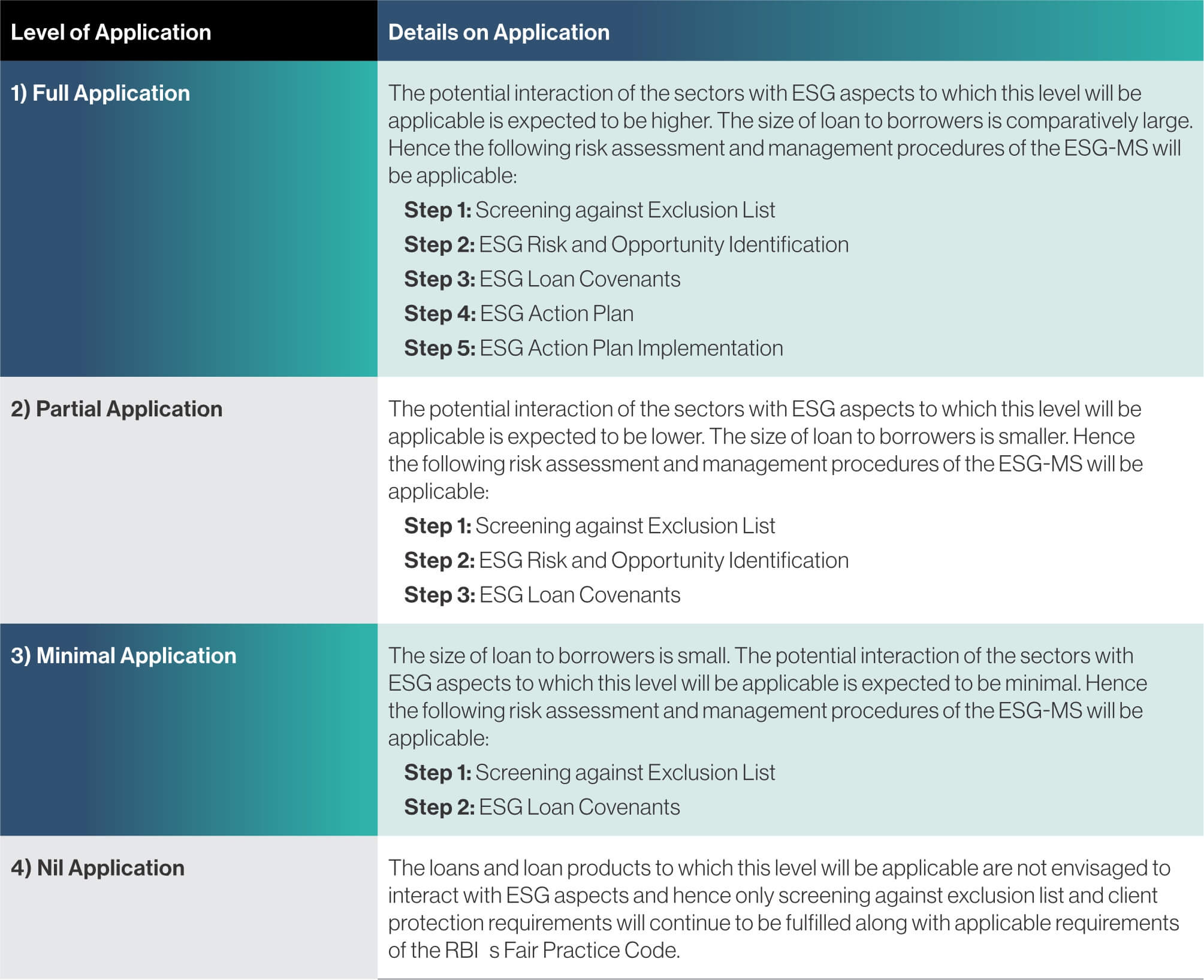
The level of ESGMS application is differentiated across loan categories. Retail loans, such as personal or housing loans, fall under the basic level due to their limited environmental and social implications. Loans to micro, small, and medium enterprises (MSMEs) are
assessed at the intermediate level, as these businesses may have moderate sectoral risks. Large corporate loans and project finance, especially in sectors like energy, infrastructure, and heavy manufacturing, are subjected to advanced ESGMS assessments due to
their significant environmental and social footprints. This categorization ensures that ESG principles are embedded in lending practices while maintaining balance between financial inclusion and sustainability.
Sustainable Finance Framework
The Reserve Bank of India (RBI) joined the Central Banks and Supervisors Network for Greening the Financial
System (NGFS) as a Member on April 23, 2021.
Launched at the Paris One Planet Summit on December 12, 2017, the NGFS is a group of central banks and supervisors willing to share
best practices and contribute to the development of environment and climate risk management in the financial sector, while mobilising mainstream finance to support the transition towards a sustainable economy.
Subsequent to joining the (NGFS) the RBI set up a sustainable finance group (SFG) within its department of regulation in May’21 to lead the regulatory initiative in the area of climate risk and sustainable finance in the Indian context.
In April 23 RBI came up with the Framework for acceptance of Green Deposits. RBI said “Climate change has been recognised as one of the
most critical challenges faced by the global society and economy in the 21st century. The financial sector can play a pivotal role in mobilizing resources and their allocation thereof in green activities/projects. Green finance is also progressively gaining traction in India. Taking this forward and with a view to fostering and developing green finance ecosystem in the country, it has been decided to put in place the enclosed
Framework for acceptance of Green Deposits for the REs”.
Considering the RBI guidance and the global developments Utkarsh Small Finance Bank Limited has adopted “Sustainable Finance Framework” in May’25. The framework provides for sustainable finance solutions in the areas of

Utkarsh’s Sustainable Finance Framework provides that the allocation of the proceeds would be done on the eligible projects in Environmental, Social and Farm Segments:
ALLOCATION OF PROCEEDS ON PROJECTS IN
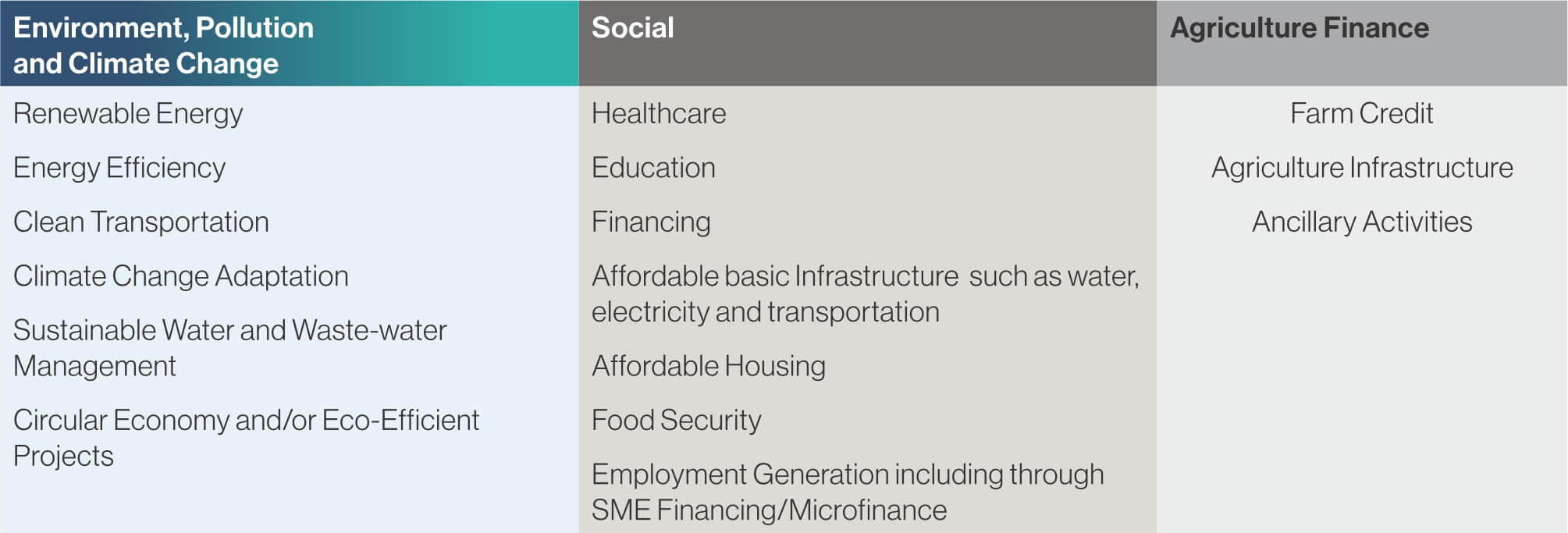
Renewable Energy (including, production, transmission and distribution): This would include in solar, wind, small hydro, waste to energy, geothermal energy, bioenergy.
Energy Efficiency: Investments, expenditure and financing/ refinancing related to projects and technologies that are designed to enable energy and emissions reductions that aim to achieveenergy savings.
Clean Transportation: Investments, expenditure and financing/ refinancing related to projects aiming at developing/ manufacturing low-carbon passenger and freight transportation or related infrastructure.
Climate Change Adaptation: Investments, expenditure and financing/ refinancing related to projects including
data driven systems for monitoring and / or forecasting climate related hazards.
Sustainable Water Management: Investments, expenditure and financing/ refinancing related to projects, including, developing / manufacturing infrastructure, equipment and technology for activities that improve water quality.
Pollution Prevention and Control: Investments, expenditure and financing/ refinancing related to projects in the areas of waste management, pollution control projects approved by India’s Commission for Air Quality Management (CAQM), reduction of air emission, soil remediation, recycling etc.
Green Building: Investments, expenditure and financing/ refinancing related to projects including green
buildings certified under EDGE, BREEAM, IGBC, LEED, Green Mark, GRIHA.
Sustainable Management of Living Natural Resources and Land Use: Investments, expenditure and financing/ refinancing related to projects including Programs encouraging sustainable land use and sustainable agriculture, including climate smart agriculture which considers climate mitigation and adaptation measures
Terrestrial and Aquatic Biodiversity Conservation: Investments, expenditure and financing/ refinancing related to projects including Preserving terrestrial / marine natural habitats.
Circular Economy and/or EcoEfficient Projects: Investments, expenditure and financing/ refinancing
related to projects including, environmental and sustainability benefits of circular economy and/or eco-efficient projects, production of bio-based resource-efficient/ low carbon products that are RSB certified.
Access to Essential Services:
Investments, expenditure and financing/ refinancing related to projects including Healthcare, Education, financing.
Affordable Basic Infrastructure:
Investments, expenditure and financing/ refinancing related to projects including Water, Electricity, Transportation
Affordable Housing: Loans to individuals for purchase or construction of their houses, loans to individuals for renovation of an existing house.
Employment Generation: Investments or projects related to providing employment generation, including Loans to MSMEs as defined by the Government of India. Further, such MSMEs should be engaged in the manufacture or production of goods, in
any manner, pertaining to any industry specified in the First Schedule to the Industries.
Food Security: Investments or projects related to Investment in infrastructure and facilities such as warehouses to provide adequate storage, improve food conservation or improve connectivity in the food chain to avoid food losses.
Farm Credit: Investments or projects related to enabling socio-economic advancement and empowerment, including lending to the agriculture sector shall include Farm Credit short term crop loans and medium/long term credit to farmers, and ancillary activities.
Agriculture Infrastructure: Loans to self-help groups (SHGs) or Joint Liability Groups (JLGs) i.e. Group of Farmers, Small/Marginal Farmers, Farmer Cooperatives of Small/marginal Farmers Directly engaged in Agriculture and Allied Activities, viz., dairy, fishery, animal husbandry, poultry, bee-keeping and sericulture. It includes crop loans to
farmers, which shall include traditional/non-traditional plantations and horticulture, and loans for allied activities
Ancillary Activities: Loans up to ₹5 crore to co-operative societies of farmers for disposing of the produce of members, loans for setting up of agri-clinics and agri-business centers, bank loans to Primary Agricultural Credit Societies (PACS), Farmers’ Service Societies (FSS) and Large-sized Adivasi Multi-Purpose Societies (LAMPS) for on lending to agriculture.
Socio-Economic Advancement and Empowerment: Loans to individual farmers, Self Help Groups (SHGs) or Joint Liability Groups (JLGs) and/or corporate farmers, producer organisations, partnership firms & Cooperatives of farmers limited to Small/Marginal farmers for soil conservation and watershed development, plant tissue culture and agri-biotechnology, seed production, production of biopesticides, bio-fertilizer, and vermi composting.
Energy Management
Energy Efficiency & Conservation Strategy
Utkarsh recognises that its business operations, while primarily serviceoriented, contribute to direct and indirect emissions through electricity consumption, diesel generator usage, and operations of company-owned vehicles. Energy conservation is therefore positioned as both an environmental necessity and a strategic imperative. With a large network of branches, offices, and data centres, cumulative energy demand is significant. By adopting energyefficient technologies and conservation practices, the Bank reduces operating
costs, enhances efficiency, and strengthens long-term profitability while supporting its commitment to the Sustainable Development Goals (SDGs), particularly those focused on clean energy and climate action.
The Bank’s energy strategy also reflects evolving regulatory frameworks that increasingly emphasise environmental performance and disclosure requirements. By proactively integrating energy efficiency into operations, Utkarsh is well-positioned to meet ESG reporting standards and stakeholder expectations. Beyond compliance, the Bank recognises that responsible energy management enhances its reputation, builds stakeholder trust, and
reinforces its leadership in sustainable business practices.
Energy Consumption (Grid, DG, Renewable)
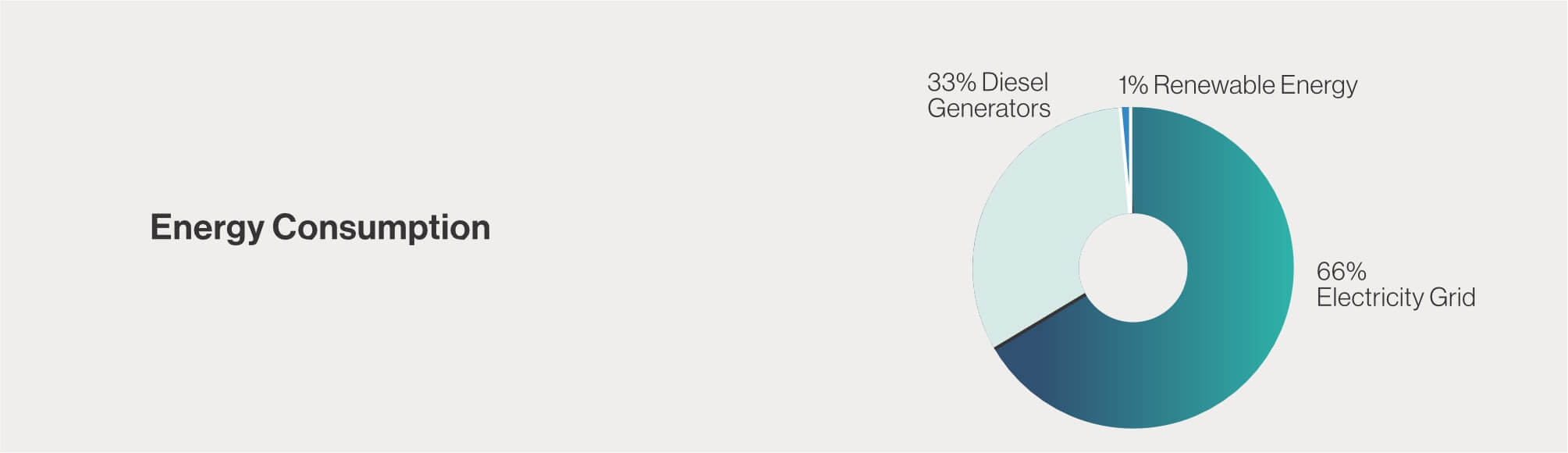
For FY2024-25, total energy consumption amounted to 71,046 GJ, with 66% sourced from the electricity grid and 33% from diesel generators. Renewable energy contributed 593 GJ, representing an important step in diversifying the Bank’s energy portfolio towards cleaner sources. This represents the first year in which the Bank comprehensively calculated energy consumption across all branches and ATMs, establishing a robust baseline for future tracking and improvements.
Energy Intensity & Reduction Measures
The Bank reported an energy emission intensity of 18.89 GJ per crore of turnover in FY2024-25. Through targeted optimisation measures, Utkarsh has achieved a reduction in electricity consumption across its network. These results were achieved through retrofitting lighting systems with LED solutions, improving UPS and HVAC system efficiency, and introducing energy-efficient appliances across offices and branches. Such measures not only lower operational costs but also directly contribute to the Bank’s emission reduction goals.
Energy-Efficient Infrastructure (Utkarsh Tower, Appliances)
Utkarsh Tower, the Bank’s headquarters, continues to serve as a benchmark for energy-efficient infrastructure. Certified with a GRIHA 5-star rating, the building incorporates advanced design principles that deliver 40% greater energy efficiency compared to conventional buildings. During FY2024–25, Utkarsh Tower improved its energy performance by 7%, playing a pivotal role in lowering Scope 2 emissions. Energy-efficient appliances, regular maintenance of equipment, and systematic monitoring of performance further strengthen the infrastructure’s contribution to the Bank’s sustainability agenda.
Renewable Energy Initiatives
The integration of renewable energy remains a key focus of Utkarsh’s energy management roadmap. The Bank operates a 140 KWP rooftop solar photovoltaic system at its headquarters, which contributes approximately 15% of the building’s total electricity needs. In FY2024–25, renewable energy usage was recorded at 593 GJ, with plans to expand renewable adoption across the branch network in the coming years. Utkarsh has set a forward-looking target of powering 25% of its branches with renewable energy within the next two years, underscoring its long-term ambition to achieve carbon neutrality for Scope 1 and Scope 2 emissions by 2030
Climate Change Strategy, Risk and Transition
Climate change, primarily driven by greenhouse gas emissions from human activity, has become one of the most pressing global challenges of our time. Its impacts are already visible across ecosystems, communities, and economies, and are expected to intensify further in the coming decades. Rising global temperatures have disrupted weather patterns, accelerated the melting of glaciers, and contributed to sea-level rise, while biodiversity loss and ecosystem degradation have reached critical levels. These environmental shifts are no longer distant projections but present-day realities that threaten economic stability and human well-being.
The consequences of climate change are multidimensional, complex, and
deeply interconnected. They often affect the most vulnerable populations first and most severely. Increasing frequency and intensity of extreme weather events such as prolonged droughts, erratic monsoon patterns, heatwaves, cyclones, and flash floods are straining infrastructure, damaging livelihoods, and imposing additional burdens on public health systems and social safety nets. In India, which is highly dependent on agriculture and natural resources, the risks are particularly acute. Erratic rainfall patterns and delayed monsoons have already disrupted agricultural productivity, leading to food insecurity, rural distress, and income instability for communities reliant on rain-fed farming.
To achieve the alignment with global climate change mitigation and
adaptation initiatives, Utkarsh has prioritised a strategy that focuses on both operational and portfoliolevel actions. On the operational front, the Bank is working to reduce the carbon intensity of its activities through measures such as adopting energy-efficient infrastructure, increasing renewable energy usage, digitising operations to reduce paper consumption, and improving resource efficiency across branches and offices. On the portfolio side, Utkarsh is integrating climate considerations into its lending practices, assessing financed emissions, and progressively increasing exposure to climate-aligned sectors such as renewable energy, sustainable agriculture, and green infrastructure.

Paris Climate Agreement
The Paris Climate Agreement adopted in December 2015 at the 21st Conference of the Parties (COP21) in Paris is a landmark international treaty under the United Nations Framework Convention on Climate Change (UNFCCC). Its central objective is to limit the rise in global average temperature to well below 2°C above pre-industrial levels while actively pursuing efforts to restrict it to 1.5°C. This scientifically backed target represents the threshold beyond which climate impacts would become increasingly severe and potentially irreversible. The agreement came into force on November 4, 2016, and today nearly every nation is a party to it, reflecting an unprecedented level of global consensus on climate action.
What makes the Paris Agreement distinct from earlier frameworks is its inclusive and dynamic approach. Instead of imposing uniform obligations, it allows countries to voluntarily set and update their own climate action plans known as Nationally Determined Contributions (NDCs) which are reviewed and strengthened every five years. The framework is built upon five core pillars which include mitigation, adaptation, finance, transparency, and global stocktaking, making it a comprehensive and action-oriented roadmap for a sustainable future.
Utkarsh Small Finance Bank acknowledges that climate risks pose material financial risks. In the past, events such as floods, droughts, and cyclones have adversely affected the Bank’s portfolio performance, particularly in rural and semi-urban areas where clients are more vulnerable to physical climate shocks. India has been ranked among the top ten most climate-vulnerable countries in the Global Climate Risk Index, and studies indicate that climate
change could reduce India’s agricultural income by up to 25 percent in severe scenarios. Scientific projections also suggest that the frequency and severity of such events are likely to intensify due to rising greenhouse gas emissions. As such, the Bank views climate risk as an evolving area of strategic importance and is strengthening its capacity to assess, manage, and disclose the potential long-term financial implications
In addition to green infrastructure, Utkarsh has prioritized digital transformation as part of its sustainability journey. By encouraging digital banking solutions including paperless transactions, e-statements, and digital passbooks, the Bank reduces its dependence on paper and minimizes emissions from branch visits and physical documentation while enhancing customer convenience. For Utkarsh this transition is both an operational advantage and a climate-conscious choice.
Importantly, Utkarsh’s financial inclusion mission inherently contributes to climate resilience. By extending credit to microentrepreneurs, particularly women and rural households, the Bank fosters diversified and sustainable income streams. This financial empowerment allows low-income communities to invest in adaptive solutions such as climate-resilient agricultural practices, water-efficient technologies, and disaster-resilient housing. In doing so Utkarsh not only strengthens household resilience but also safeguards its loan portfolio from climate-induced shocks. With over 70 percent of India’s rural population dependent on agriculture for livelihoods, such interventions become critical for advancing both community well-being and national climate goals.

RBI Draft Disclosure on Climate Risks (2024)
The Reserve Bank of India has recently issued the Draft Disclosure Framework on Climate-Related Financial Risks, 2024, which will become applicable from FY26. This framework represents a significant regulatory shift as it requires all Indian banks to align their disclosures with the internationally recognized guidelines of the Task Force on ClimateRelated Financial Disclosures (TCFD). The framework is designed to bring greater transparency and accountability to the way financial institutions assess, manage, and disclose climaterelated risks, ensuring that climate
considerations are embedded into the financial system in a structured manner.
The framework emphasizes two critical dimensions of climate risk that banks and regulators must address. The first is the facilitative dimension which includes capacity building, the development of ecosystems that support green financing, and the scaling up of sustainable investment flows. The second is the prudential dimension which focuses on the risk management implications of climate change, ensuring that banks integrate climate-related financial risks into their core governance and decision-making processes.
Together, these dimensions highlight the dual responsibility of banks to both enable the transition to a low-carbon economy and safeguard the resilience of the financial system.
Through these efforts, we demonstrate our readiness to align with the RBI’s draft disclosure requirements. We view this framework not merely as a compliance obligation but as an opportunity to strengthen our own resilience, enhance stakeholder confidence, and actively contribute to India’s transition towards a sustainable and climate-resilient economy.
Climate Roadmap
We are formulating strategies that operate across short, medium, and long-term horizons. In the short term, our focus is on enhancing internal capacities, building systems for data collection, and identifying climate-exposed sectors within our portfolio. In the medium term, we aim to progressively measure financed emissions, conduct climate scenario analysis, and expand disclosures on physical and transition risks. Over the long term, we envision aligning our portfolio more closely with India’s national commitments under the Paris Agreement and global net-zero pathways while continuing to support
rural and underserved communities in adopting climate-resilient practices.
To achieve this, we are putting in place robust frameworks to measure and evaluate material climate risks linked to our lending and investment operations. We are also developing the capacity to assess our portfolio performance under a range of climate scenarios. These efforts allow us to proactively implement strategies that enhance the resilience of our assets while reducing vulnerabilities, ensuring that our business model is aligned with long-term climate and sustainability goals
Identification of Climate-related Risks
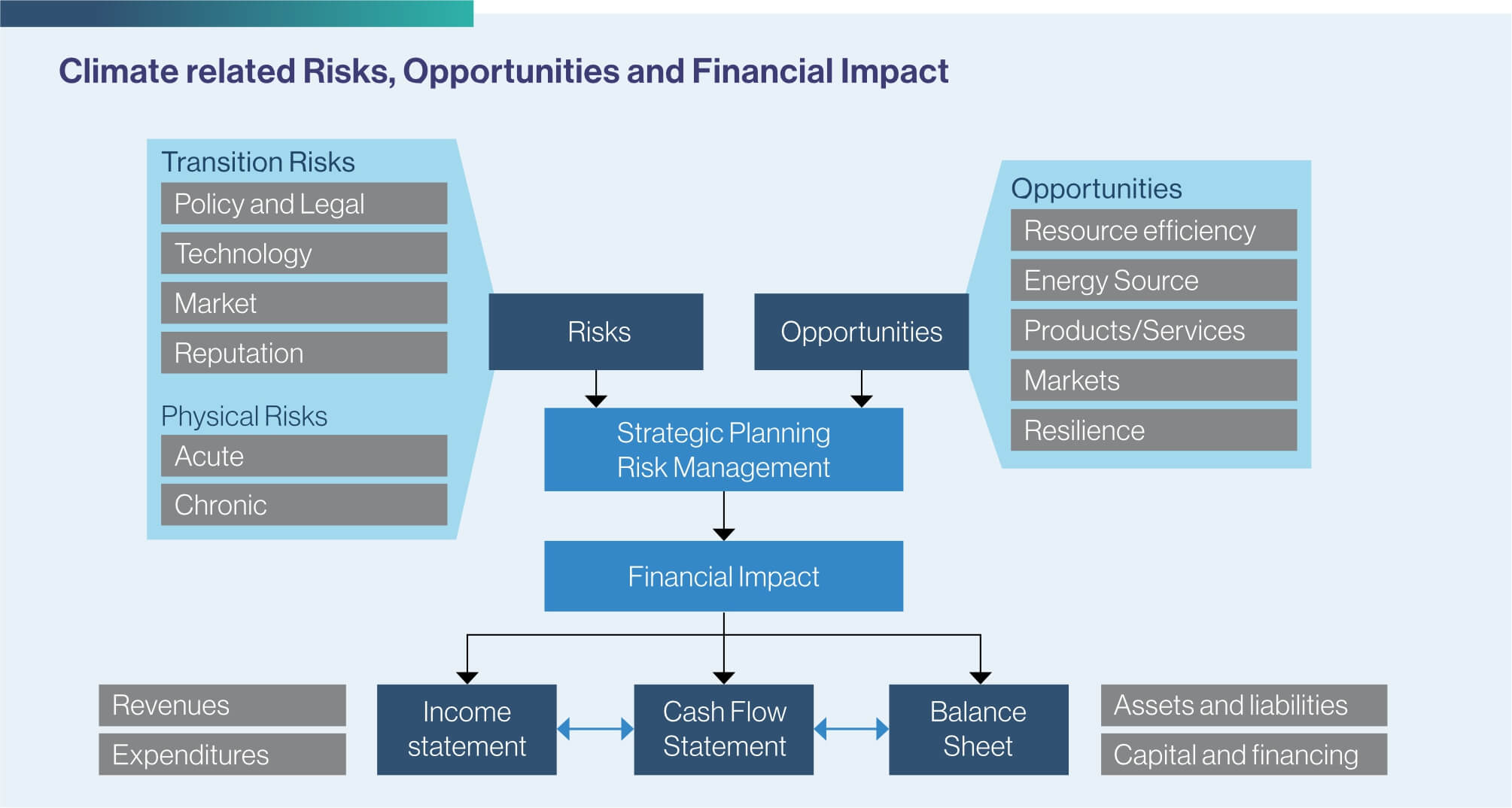
We recognise climate change as a material financial and operational risk and have integrated it into our overall risk management architecture. Consistent with the recommendations of the Financial Stability Board’s Task Force on Climate-Related Financial Disclosures (TCFD), we view climate risk through two lenses, transition risks, which arise from the evolving policy, legal, technological, and market landscape, and physical risks, which stem from the direct impacts of extreme weather events and longterm climate shifts.
Transition Risks
Among the most significant risks we face is the tightening of disclosure policies. The global regulatory environment is evolving rapidly, with governments and supervisory bodies mandating enhanced climate and sustainability disclosures. Non-compliance with these requirements could expose organisations to penalties, legal challenges, reputational concerns, and restricted market access. We are therefore attentive not only to our own obligations but also to the challenges our clients may face. If they struggle to adapt to these new norms, their financial stability could be affected, which in turn could impact their repayment capacity and our overall portfolio quality.
Another critical dimension is the increasing stringency of environmental regulations. Across the world, new rules are being introduced that govern operating licences, occupational health and safety standards, and emission or discharge limits. While these measures are essential to safeguard people and the planet, they could increase operating costs for certain clients or, in cases of non-compliance, disrupt their ability to continue business operations. This may lead to financial stress among borrowers and potential credit risk exposure for us. To mitigate this, we have started embedding environmental risk assessments into our credit appraisal processes and continue to engage closely with our clients, supporting them in their transition towards sustainable practices.
Physical Risks
Physical risks arising from climate change also pose a significant challenge. In India, the frequency and severity of droughts, floods, cyclones, and heatwaves have increased, disrupting livelihoods and damaging assets across sectors. Agriculture and allied industries are particularly vulnerable, and since they form an important part of the economy, their fragility directly affects the financial system. Such climate events could reduce repayment capacities, disrupt operations at the community level, and affect broader economic activity. They may also impact our own operations by limiting the ability of employees to work or by affecting the physical infrastructure of our branches. These risks have wider implications

for revenue generation and long-term growth.
In response, we are enhancing our ability to stress-test loan portfolios against different climate scenarios and to anticipate the cascading effects of climate events on client performance. By engaging in dialogue with borrowers and supporting the adoption of adaptive practices, we aim to reduce vulnerability at the ground level.
Climate-related Opportunities
While climate change presents undeniable risks, it also creates opportunities for financial institutions to drive innovation, foster resilience, and accelerate sustainable growth. We view the transition to a low-carbon economy as an opportunity to diversify our portfolio, create long-term value for stakeholders, and contribute meaningfully to India’s climate and development goals
In response, we are enhancing our ability to stress-test loan portfolios against different climate scenarios and to anticipate the cascading effects of climate events on client performance. By engaging in dialogue with borrowers and supporting the adoption of adaptive practices, we aim to reduce vulnerability at the ground level.
renewable energy capacity, and we are positioning ourselves to support this transition by extending credit to solar, wind, and small hydro projects. By enabling clean energy adoption, we not only reduce exposure to high-emission sectors but also strengthen the resilience of the energy ecosystem that our clients and communities depend on.
Sustainable agriculture represents another vital area of opportunity. Given the vulnerability of Indian agriculture to climate risks, financing climatesmart solutions such as water-efficient irrigation systems, organic farming, and sustainable crop diversification practices can help farmers adapt to changing conditions. By supporting these initiatives, we simultaneously safeguard rural livelihoods and reduce the potential credit risk associated with climateinduced agricultural disruptions
We also see scope for fostering innovation in the circular economy and resource efficiency sectors. Financing businesses engaged in waste management, recycling, and sustainable packaging not only reduces
environmental pressures but also opens new growth avenues for the Bank. Similarly, encouraging clients to adopt energy-efficient technologies and green building practices aligns with both regulatory expectations and market demand.
Furthermore, climate-related opportunities extend to digital solutions that reduce environmental impact. By expanding digital banking services, the Bank reduces paper usage, cut emissions associated with physical travel, and enhance accessibility for customers. Digitalisation also improves operational efficiency, which has longterm benefits for both sustainability and financial performance
By integrating these opportunities into our business strategy, we aim to move beyond risk mitigation towards value creation. Climate-conscious financing and innovation provide us with the ability to build a future-ready portfolio that is resilient, inclusive, and aligned with global sustainability priorities.
GHG Emissions & Net Zero Target
First GHG Inventory (Scope 1 & 2)
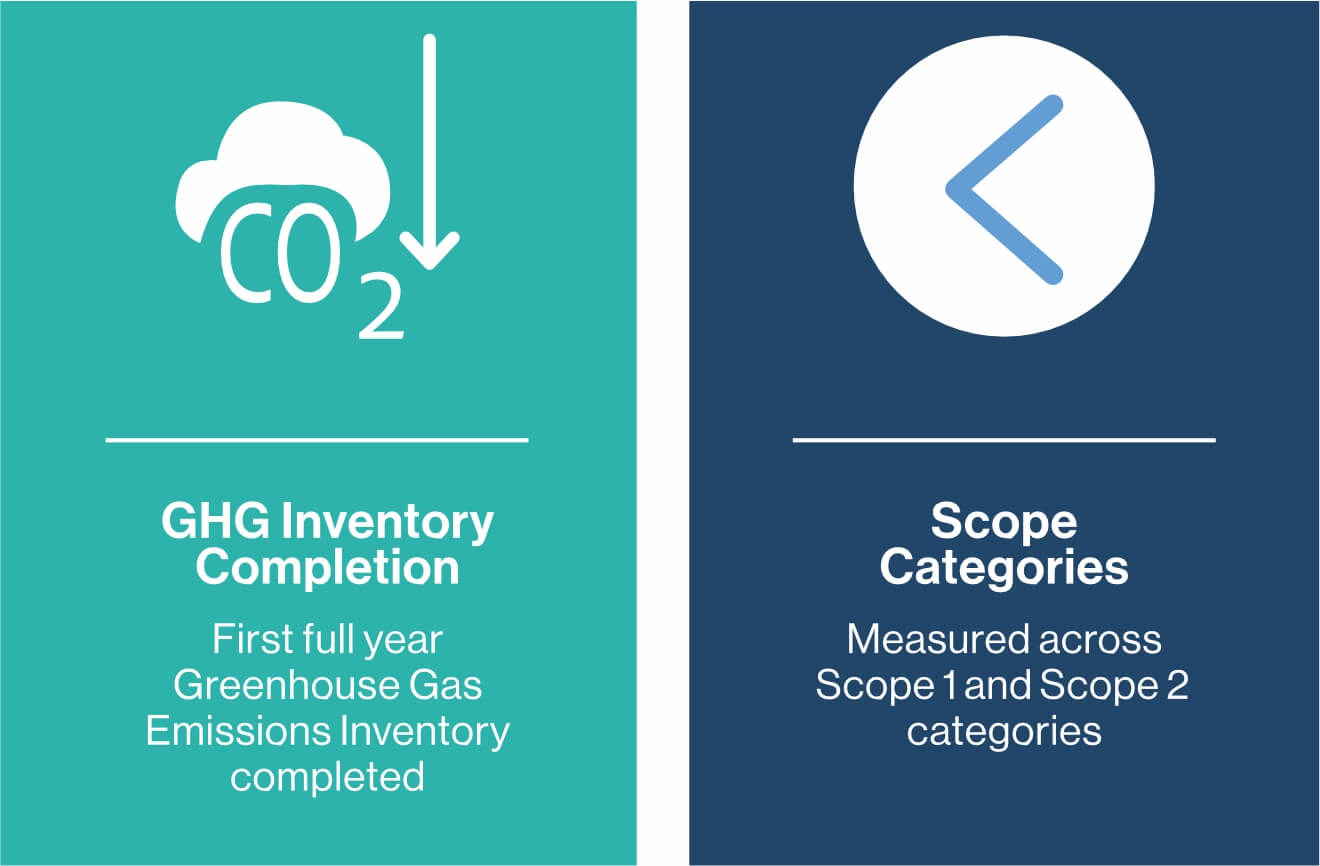
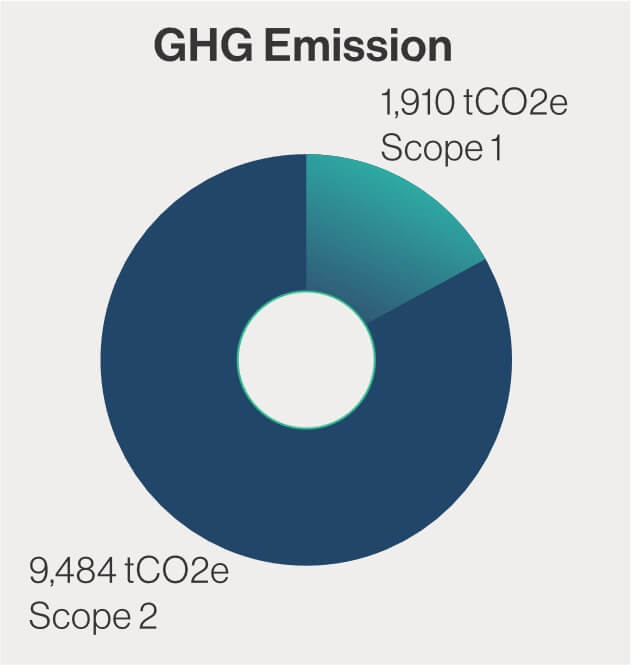
We have completed our first full-year greenhouse gas emissions providing a comprehensive baseline to manage and reduce our carbon footprint. For FY24-25, our consolidated emissions were measured across Scope 1 and Scope 2 categories. Scope 1 emissions,which include diesel consumption for backup generators and companyowned vehicles, amounted to 1,742 tCO₂e, while refrigerant-related emissions contributed 168 tCO₂e. Scope 2 emissions from purchased electricity across our offices, branches, and data centers generated 9,484 tCO₂e, constituting 83% of the combined Scope 1 and Scope 2 emissions.

Emission Intensity Analysis
Monitoring emission intensity allows us to understand the environmental impact of our operations relative to our financial performance. For FY2024-25, the energy emission intensity was calculated at 3.77 tCO₂e per crore of turnover. By combining absolute emission data with intensity metrics, we are able to track the effectiveness of energy conservation initiatives and monitor the decoupling of business growth from carbon emissions.
Net Zero by 2040 Commitment
We are committed to achieving net-zero greenhouse gas emissions from our operations by 2040. This target aligns
with the Paris Climate Agreement’s objective of limiting global temperature rise to well below 2 degrees Celsius and striving towards 1.5 degrees Celsius. Our net-zero commitment encompasses absolute Scope 1 and Scope 2 emissions and represents a forward-looking approach to environmental stewardship. Achieving this target will require sustained reductions in operational emissions and a strategic shift toward renewable and low-carbon energy sources across all facilities.
Key Decarbonisation Levers
To achieve our net-zero ambition, we are implementing a multi-pronged decarbonisation strategy focusing on renewable energy, energy efficiency, and technology-driven interventions.
Renewable Energy
Renewable energy is a primary lever in our strategy. We have already begun sourcing renewable energy for key facilities, including our corporate office, and plan to expand this transition across the majority of our offices and branches by 2040. Currently, renewable energy accounts for 593 GJ, representing an initial step toward reducing dependence on fossil-fuel-based electricity.
Energy Efficiency
Energy efficiency is another critical lever. We are systematically replacing .
conventional lighting with LEDs, upgrading HVAC systems, and deploying star-rated energy-efficient appliances in offices and branches. These improvements also support our Scope 2 reduction targets and enhance resource efficiency.
Technology Integration
Technology integration further strengthens our decarbonisation efforts. We employ smart energy management systems, automated lighting and HVAC controls, and real-time monitoring to optimize energy consumption and minimize waste. In parallel, we continue to explore innovative approaches to reduce emissions, including further electrification of company vehicles and adoption of low-carbon office practices
Through our comprehensive GHG inventory, emission intensity analysis, net-zero commitment, and strategic decarbonisation initiatives, we demonstrate an unwavering commitment to environmental stewardship, long-term resilience, and sustainable growth. We will continue to monitor, report, and improve our performance to ensure that our business operations align with global climate objectives and the expectations of our stakeholders.

Water Management
Water Consumption & Footprint
We recognize that water is a finite and shared resource, and effective management of water is a critical aspect of environmental sustainability and responsible business operations. While water is not a direct input for our core banking services, it is essential for employee and customer needs, operational facilities, sanitation, and maintenance. Understanding the importance of water conservation within an ESG-integrated business management system, we have implemented measures to systematically track, manage, and reduce water consumption across all offices, branches, and administrative facilities nationwide.
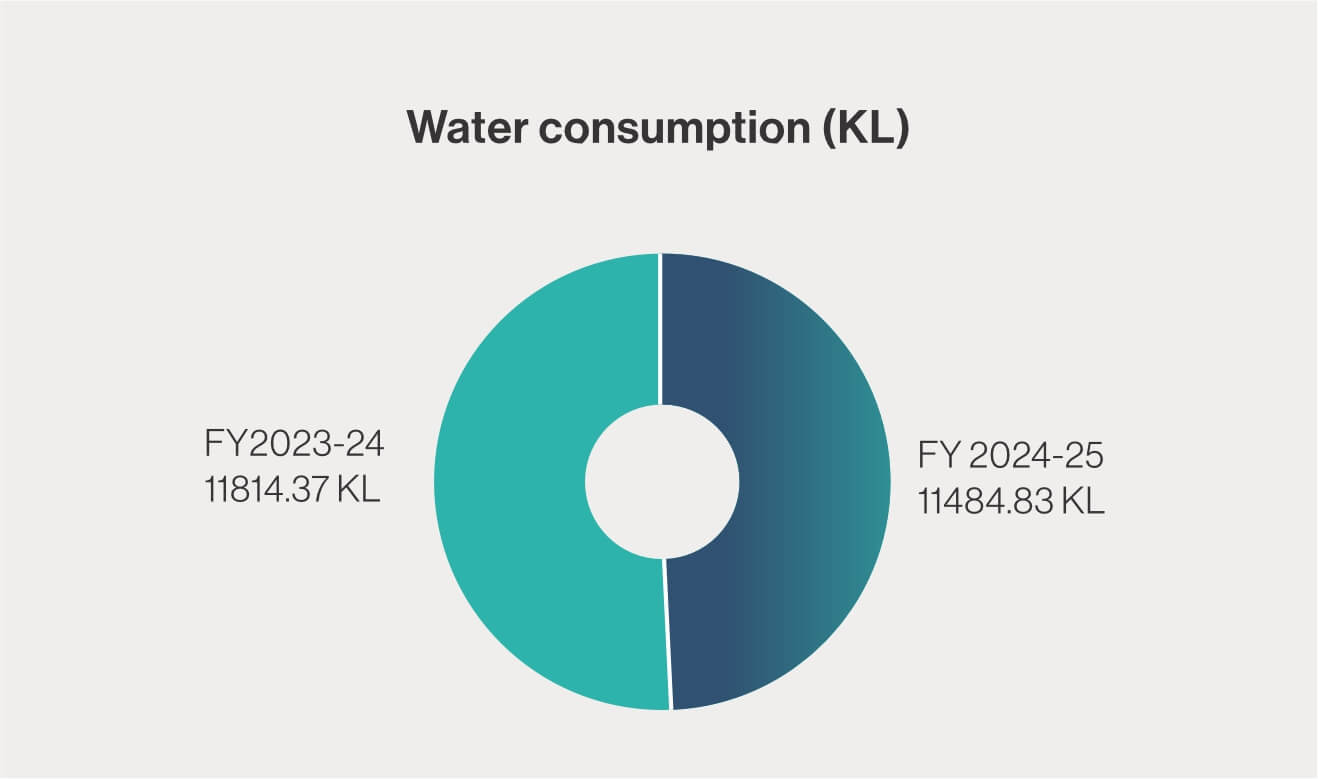
For the financial year 2024-25, our total water withdrawal and consumption across India amounted to 11,484.83 kilolitres, reflecting a reduction from 11,814.37 kilolitres in FY2023-24. Water consumption has been calculated using a standardized methodology where daily water use per employee is assumed to be 45 litres, consistent with the National Building Code of India, and considering 250 working days annually. This approach provides a comprehensive assessment of our water footprint and enables us to identify opportunities for optimization and efficiency improvements. Water management is guided by globally recognized frameworks such as the Water Resources Institute (WRI) Water Risk Assessment methodology, which allows us to evaluate water-related risks, optimize usage, and ensure sustainable water stewardship across our operations
Efficiency Measures
To improve water efficiency, we have installed low-flow fixtures across our offices and branches, which reduce water demand by approximately 70 percent compared to conventional systems. This is complemented by awareness programs and training for employees, emphasizing responsible water use and conservation practices. By fostering a culture of sustainability within the organization, we ensure that every employee understands the importance of conserving water and actively participates in efficiency efforts.We have also implemented Sewage Treatment Plants (STPs) at our major facilities, including our corporate headquarters. The 90 kilolitres per day capacity STPs treat all wastewater generated on-site, which is then reused for non-potable purposes such as washroom flushing, landscaping, and maintenance activities. This practice achieves zero wastewater discharge from these facilities and significantly reduces freshwater demand. By integrating advanced treatment and recycling systems, we are enhancing operational efficiency while minimizing environmental impact and contributing to sustainable resource management.
Rainwater Harvesting Initiatives
Rainwater harvesting forms a key pillar of our water management strategy. We have installed rainwater collection systems at multiple corporate office buildings to capture and store rainwater for non-potable use. These systems supplement municipal water supply, reduce dependence on groundwater, and manage stormwater runoff, thereby lowering flood risk. By integrating rainwater harvesting with water recycling, low-flow fixtures, and efficient infrastructure, we are systematically reducing our water footprint while promoting sustainable water management practices.
Future Initiatives and Climate Resilience
Looking ahead, we aim to further strengthen our water management strategy by exploring innovative technologies such as smart water meters, automated leak detection systems, and greywater recycling. These initiatives will provide realtime monitoring of water use, identify inefficiencies, and ensure optimized water consumption.
Employee engagement remains central to our water stewardship efforts. Training sessions, workshops, and awareness campaigns will continue to educate our workforce on the importance of water conservation and encourage behavioural changes that complement technological and operational improvements. By fostering a culture of water responsibility, we aim to ensure that all stakeholders contribute to reducing our water footprint and promoting sustainable practices.
Digitisation and Sustainable Resource Consumption
Reducing Paper Consumption: Tangible Environmental Benefits
One of the most significant outcomes of our digital push has been the reduction in paper usage. In FY24, our paperless initiatives led to the saving of 2,97,35,191 sheets of paper, equivalent to nearly 3,498 mature trees. By avoiding paper consumption at this scale, we directly support environmental conservation efforts while also demonstrating our commitment to responsible banking practices.
Beyond the immediate benefit of tree conservation, paperless processes reduce the environmental burden of paper production, including deforestation, high water consumption, and energy use. They also cut down logistics requirements and minimize waste management challenges associated with traditional operations. Through digitized account opening, documentation, and transaction processes, we have lowered administrative overheads, improved operational efficiency, and nurtured a sustainable work culture within the Bank.Digital Transactions: Redefining Banking and Sustainability
The rapid adoption of digital transactions has not only changed how customers engage with financial services buthas also contributed to environmental protection. By enabling anytime, anywhere access to services, we have improved customer convenience while lowering the environmental footprint associated with branch-based banking.This has resulted in:
•Reduced Commuting: Digital platforms eliminate the need for frequent
branch visits for routine activities such as transfers, bill payments, or inquiries. This translates into fewer vehicles on the road and reduced emissions.
• Time and Fuel Savings:What once required hours of travel and waiting in queues can now be completed within seconds through mobile apps, internet banking, and wallets, saving both time and fuel.
• Traffic and Pollution Reduction: Fewer branch visits mean reduced vehicular traffic, lower fuel use, improved air quality, and reduced noise pollution, ultimately supporting healthier cities.Through these changes, digital transactions have proven to be more than a convenience they are a driver of environmental responsibility, conserving resources and aligning with global sustainability goals.
Digital Onboarding: Enabling Inclusion and Efficiency
Digital onboarding has emerged as a cornerstone of our sustainability strategy. In FY24 alone, 5,76,906 customers joined us through our Digi Onboarding platform, and by the end of FY25, this number had expanded to 27,10,751 digital accounts. By eliminating the need for physical documentation and in-person visits, digital onboarding reduces paper consumption, lowers emissions linked to travel, and improves turnaround time. This seamless and secure process has enhanced customer satisfaction while also advancing our mission of financial inclusion. Customers in underserved rural and semi-urban regions are now able to access banking services efficiently, without having to travel long distances.
UPI and Mobile Banking: Driving Cashless Ecosystems
Utkarsh Small Finance Bank has been a front-runner in introducing digital payment solutions. We launched our UPI App in FY 2021-22 and were among the first Small Finance Banks to roll out the UPI Lite Application, enabling small-ticket transfers of up to ₹200. The adoption of these services has grown consistently, reflecting strong customer acceptance of digital finance
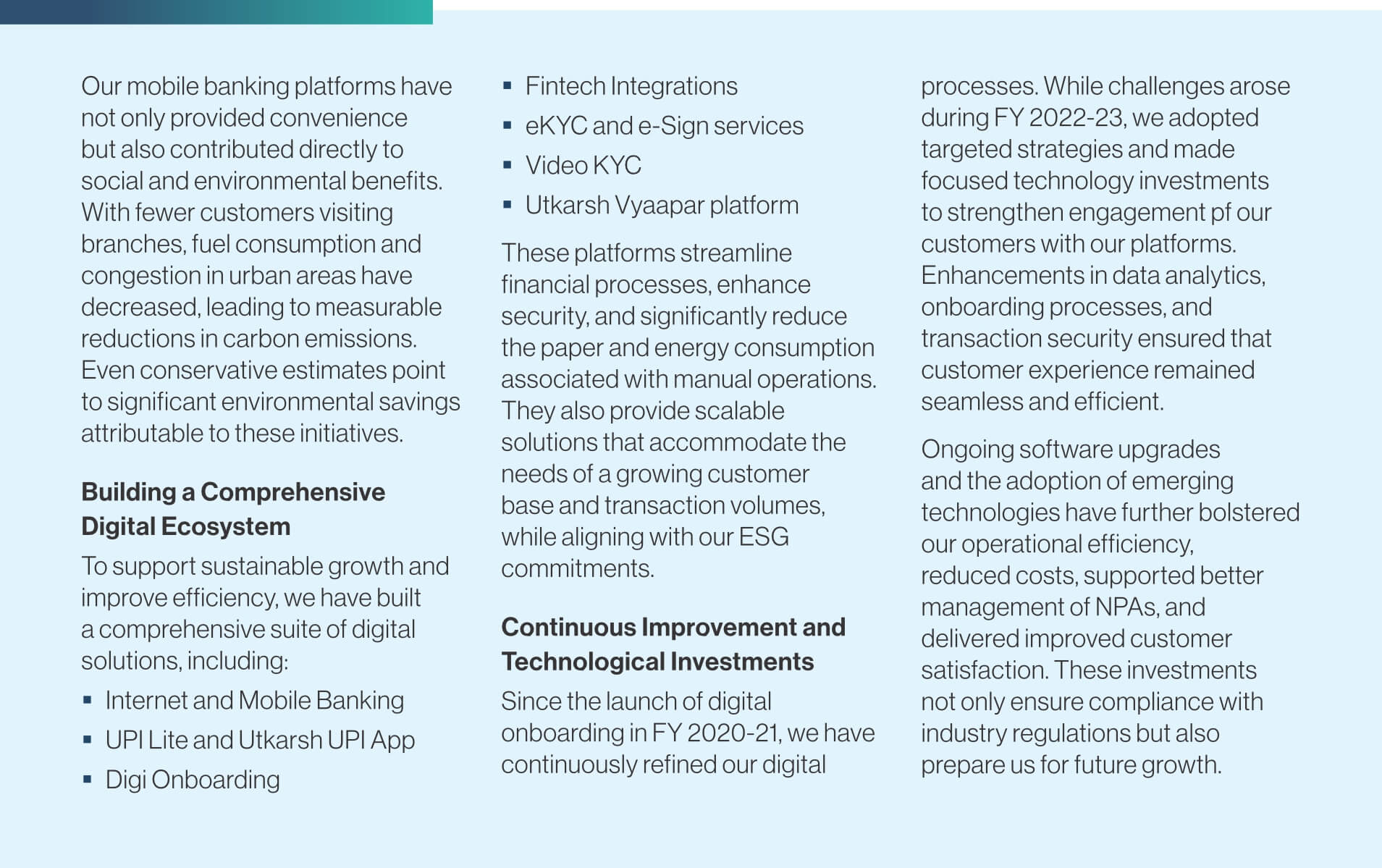
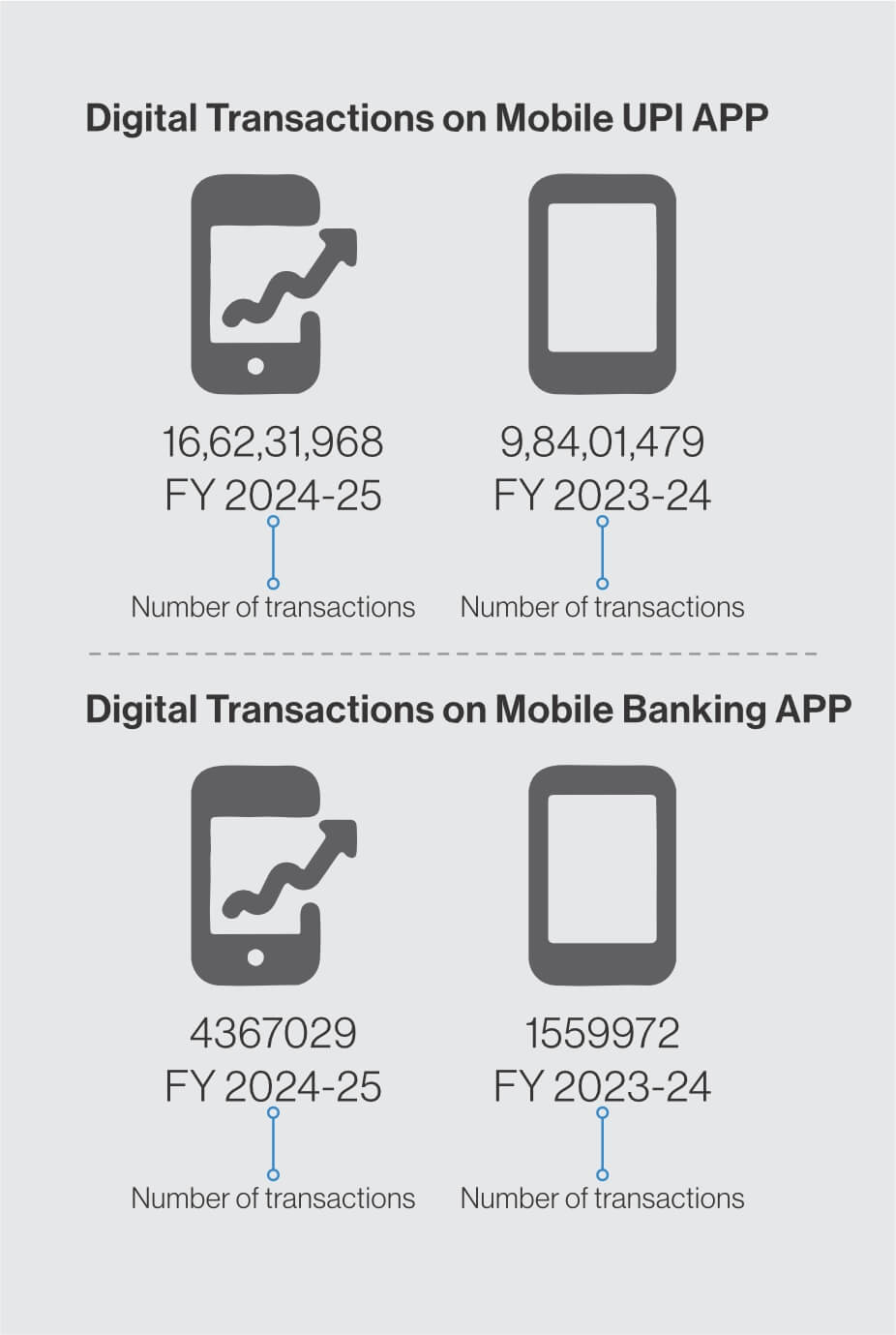

Resource Efficiency & Waste Management
Commitment to Circular Economy
We view waste not as a burden but as a resource opportunity, integrating circular economy principles into our operations. We explore innovative Waste-toEnergy models, including pilot projects converting food waste into biogas, and maintain recycling partnerships that enable us to close the loop on resource-intensive waste streams such as e-waste, batteries, and paper. Our procurement policies encourage the use of recycled content materials and support responsible supply chain practices. By maximizing resource recovery and minimizing waste-tolandfill, we demonstrate alignment with the United Nations Sustainable Development Goal on Responsible Consumption and Production.
Resource Efficiency in Buildings and Operations
At Utkarsh, we integrate sustainability into every aspect of our operations,
prioritizing resource efficiency in energy, water, and materials across our facilities. Our flagship building, Utkarsh Tower, exemplifies our commitment to sustainable design and operational excellence, achieving energy efficiency that surpasses conventional benchmarks by 40%.
Waste Segregation and Recycling
We maintain a robust waste management system across all our locations, ensuring that every waste stream is handled responsibly. Our approach classifies waste into plastics, e-waste, batteries, hazardous waste such as engine oil, and organic waste, each directed to authorized recyclers or responsibly managed treatment channels. In the FY 2024-25, we successfully recycled 7.52 metric tons of waste, through authorised waste collectors and recyclers.
E-Waste and Battery Disposal through Authorized Recyclers
As a technology-driven organization, we generate electronic and electrical waste from end-of-life IT equipment and electronic devices. We adhere strictly to India’s E-Waste Management Rules of 2016 and Hazardous and Other Wastes Rules of 2016, ensuring responsible disposal and material recovery. In FY 2024-25, we disposed of 4.60 metric tons of e-waste through Pollution Control Board-authorized recyclers. Our used batteries, 2.64 metric tons, were collected and diverted through a structured buy-back and recycling mechanism. These processes allow us to recover valuable materials and minimize environmental hazards, promoting responsible consumption and production in alignment with global sustainability benchmarks.
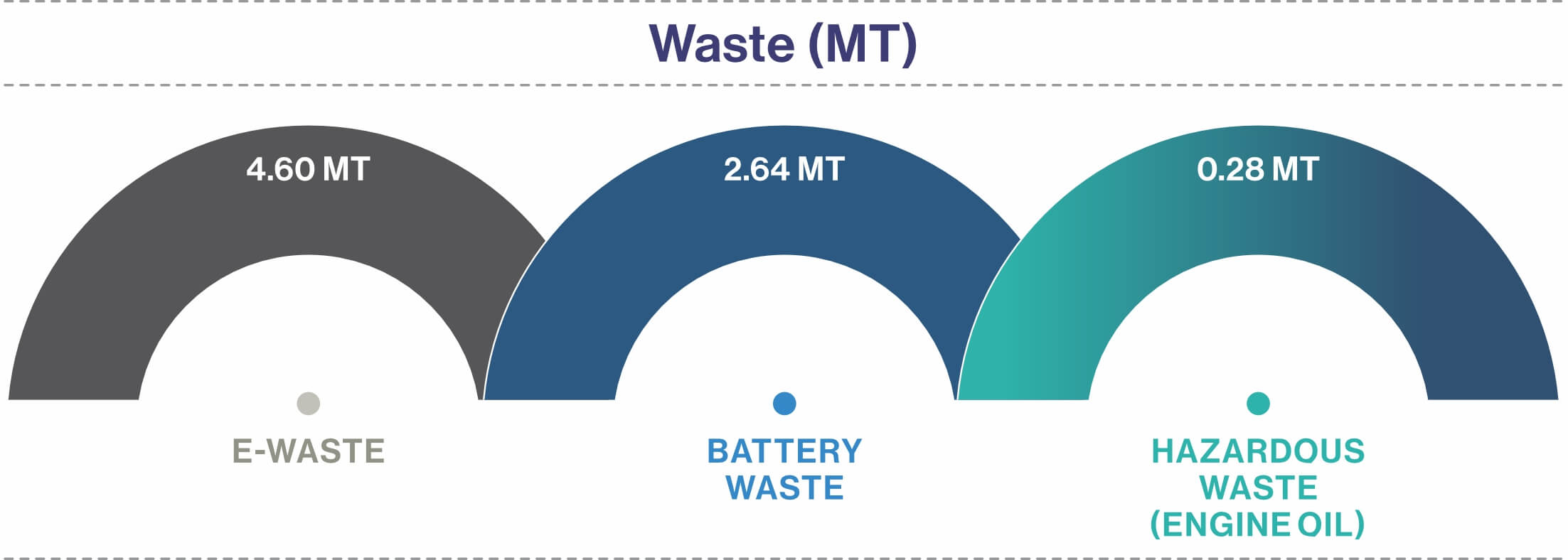
Digital Record Management and Dematerialisation
We have embraced digital workflows across our operations to reduce dependence on physical records and paper-based processes. Initiatives such as video-based customer identification
and tab-based account openings have significantly minimized paper applications. Internal approval workflows are now largely paperless, with digitized records stored securely in our Document Management System. Dematerialization of securities allows our clients to trade
and invest digitally, eliminating the paperwork traditionally associated with financial transactions. Together, these initiatives result in substantial paper savings, reduce our carbon footprint, and reinforce our digital-first green banking model.
Green Building and Sustainability Initiatives
Green Building Commitment
Utkarsh Tower, our flagship office, has achieved the prestigious GRIHA 5-star certification, making it one of the very few green-certified buildings in Uttar Pradesh. This certification validates our
adherence to rigorous benchmarks in energy efficiency, water conservation, indoor environmental quality, sustainable material usage, and overall ecological impact throughout the building lifecycle. For us, this certification reflects our dedication to creating spaces that are resource-efficient, healthy for occupants, and environmentally responsible.

The architectural design of Utkarsh Tower incorporates energy-efficient features that significantly reduce our environmental footprint. We have achieved 40% greater energy efficiency compared to conventional office buildings, thanks to design interventions such as double-glazed windows, recessed glazing, and highpuff insulation that collectively reduce annual heat gain by approximately 3%. In addition, over 25% of cement used in the building has been replaced with fly ash, and 100% of structural elements are built with AAC or fly ash bricks. These measures reduce dependence on virgin resources and lower embodied carbon, demonstrating our commitment to sustainable construction practices.
Our smart building technologies, including automated lighting and HVAC systems integrated with the Building Management System (BMS), enable real-time monitoring and optimization of energy consumption. Through these interventions, we have achieved a 21.35% reduction in the Energy Performance Index (EPI) and a 27.74% reduction in branch-level Energy Performance Metric (EPM) between FY 2015 and FY 2020, showcasing measurable improvements in operational efficiency and sustainable infrastructure management.
Biodiversity and Afforestation
Our Harit Utkarsh program demonstrates our dedication to biodiversity restoration and ecological sustainability. We planted over 100,000 native, drought-resistant saplings across 11 states, engaging local schoolchildren, NGOs, and community groups to ensure long-term survival and ecological restoration. By prioritizing native species, we ensure ecological resilience, support local fauna, reduce water requirements, and promote community ownership of our plantation initiatives.
Additionally, we have funded biodiversity restoration projects along riverbank areas in Uttar Pradesh and Bihar. These projects involved replanting native grasses and installing protective fencing to prevent cattle intrusion. These efforts contribute to habitat restoration, strengthen ecosystem services, and reinforce our commitment to environmental stewardship.
Green Infrastructure Initiatives
We have embedded sustainability protocols into the design and construction of all new branches and major offices. Our green infrastructure measures include thermal insulation, daylight-optimized layouts, low-VOC paints, and sustainable landscaping, making sustainability a standard across our physical assets.
Through these initiatives, we not only reduce operational energy demand and enhance climate resilience, but we also contribute to sustainable urban development, aligning our infrastructure growth with broader ESG objectives.
Renewable Energy Leadership
We continue to champion the transition to clean energy within our operations and communities. Our 140 kWp rooftop solar photovoltaic (PV) system at Utkarsh Tower offsets over 15% of the building’s annual electricity demand, directly reducing our operational carbon footprint. Energy-efficient lighting fixtures and low-flow water systems further decrease resource consumption across the building.
Beyond our own operations, we support renewable energy adoption among customers through strategic lending partnerships, enabling financing for thousands of residential rooftop solar installations. By integrating renewable energy into both our operations and our customer offerings, we reinforce our commitment to India’s clean energy transition while empowering communities to embrace sustainable energy solutions.
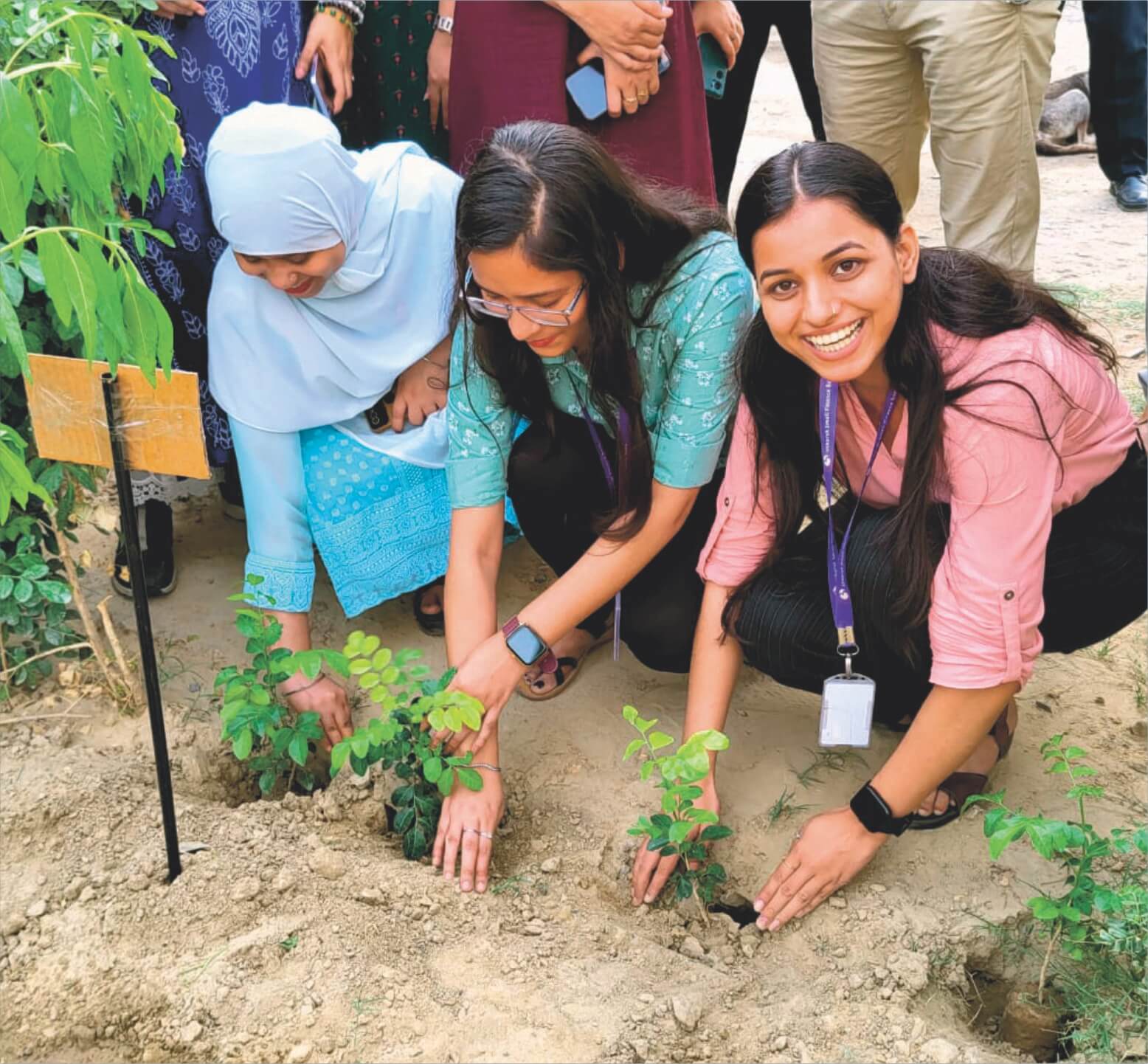
- Human Resource Strategy & Workforce Overview
- Diversity, Equity, and Inclusion (DEI)
- Commitment to Human Rights
- Employee Health, Safety, and Wellness
- Employee Engagement and Recognition
- Job Creation and Retention
- Learning and Development

Human Resource Strategy & Workforce Overview
At Utkarsh Small Finance Bank we believe that our employees play a significant role and are the driving force behind our success. Our human resource strategy is built on the understanding that a peoplefocused workplace not only improves productivity but also creates a deeper sense of belonging and purpose. We have therefore designed our
HR philosophy around the values of employee engagement, recognition, communication, emotional intelligence, human values, and customer orientation. These principles guide how we hire, train, and support our people, and they ensure that our workforce grows alongside the organization while feeling respected and valued at every stage.
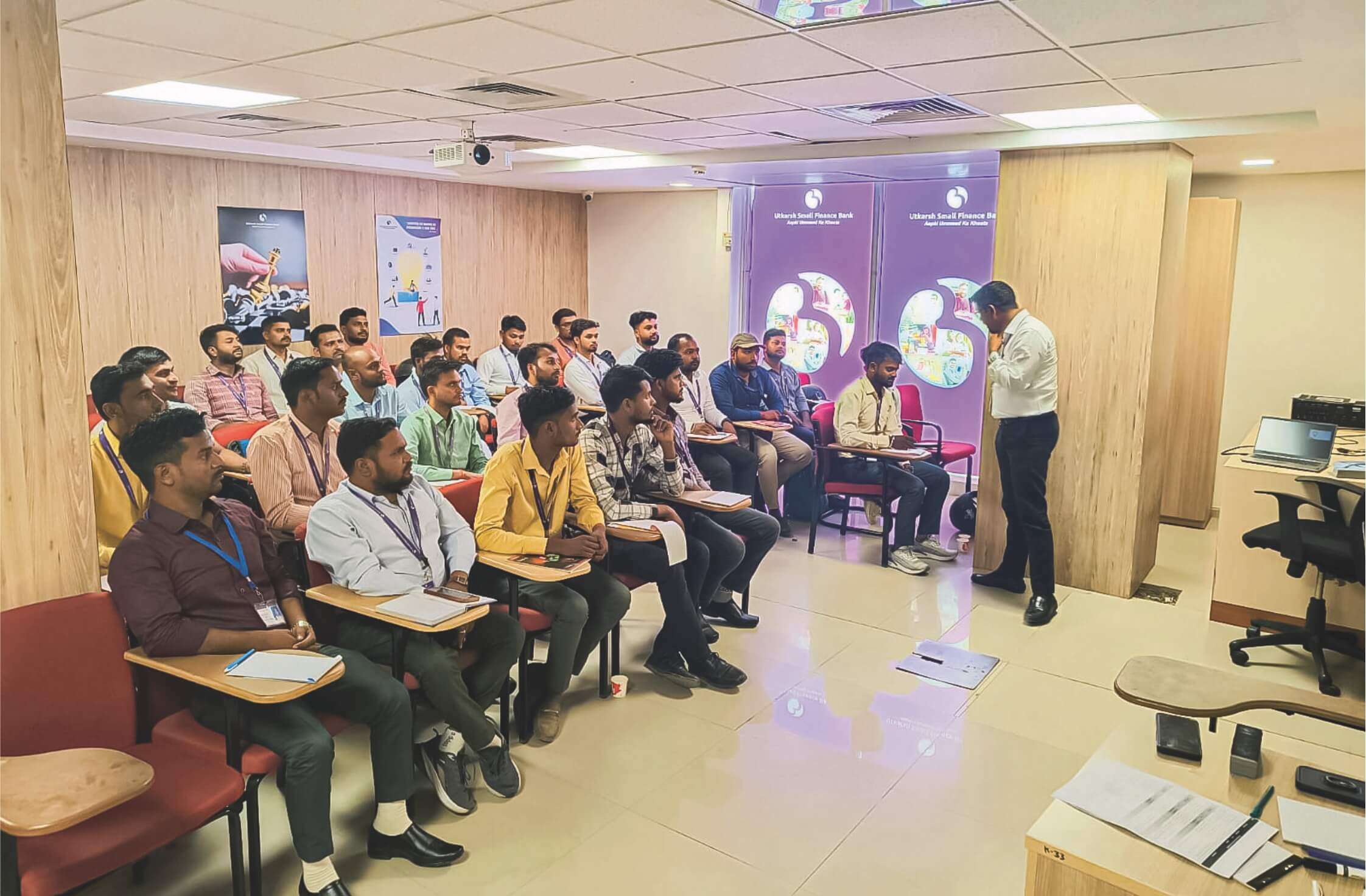

Our journey of workforce growth has been remarkable. From 12,617 employees in FY 2021-22 we have expanded to 19,620 employees in FY 2024-25. This growth of more than 55 percent over three years reflects our commitment to creating employment opportunities in the communities where we operate. In just the last financial year alone, our employee strength increased by 22 percent as we added more than 3500 new colleagues. This expansion has been closely aligned with our branch network which now covers 1092 locations across 27 States and Union Territories. Every branch that we open is not only a step towards greater financial inclusion for our customers but also an opportunity for young men and women to find meaningful employment and contribute to the banking sector.
Our workforce today is comprised of 16,769 men and 2,851 women, translating into 85.5% male and 14.5% female representation. While women are still underrepresented compared to men, their presence in our workforce is steadily growing. We have introduced initiatives such as women-led branch
management to encourage female leadership and to inspire more women to take up roles in banking and financial services. We also provide maternity leave, childcare support, sabbatical options, and on-site crèche facilities, which help women balance personal and professional responsibilities. These measures have created an environment where women feel supported in pursuing their careers and where inclusivity is more than just a policy but a living experience.
Our employees are the face of Utkarsh in the communities we serve. Many of our customers are first-time users of banking services and often require patient guidance to understand financial products. We therefore train our people not only in technical and operational skills but also in empathy, communication, and customer orientation. This ensures that every interaction goes beyond a financial transaction and becomes an opportunity to build trust and confidence. In communities where formal banking has been absent for decades, our employees play the dual role of service providers
and educators, bringing financial literacy and inclusion to the grassroots.
We also recognize the importance of onboarding in shaping the early experiences of our employees. Every new recruit goes through a structured process that introduces them to our systems and processes while also immersing them in our values and culture. This early investment builds confidence and helps create a sense of connection with our larger mission. Training continues well beyond the initial phase with regular programs designed to upgrade skills, improve efficiency, and keep employees prepared for the evolving needs of the sector.
A central aspect of our workforce strategy is our focus on job creation in underserved areas. Many of our branches are located in rural and semi-urban regions where economic opportunities are limited. By hiring locally, we not only strengthen our presence in these areas but also provide livelihoods that directly benefit local families. Our employees become role models in their communities, demonstrating the value
of education and professional careers while also acting as bridges to the formal financial system. This ripple effect makes our workforce strategy a key contributor to regional development and social transformation.
The philosophy that guides us is simple. When we take care of our people, they take care of our customers. When our employees feel engaged, supported, and recognized, they bring their best selves to work, and this in turn enhances customer satisfaction and organizational
performance. Our growth in workforce numbers is therefore matched by our continuous focus on employee wellbeing and our determination to create a workplace that is inclusive, empowering, and aligned with our mission of financial inclusion.
Diversity, Equity, and Inclusion (DEI)
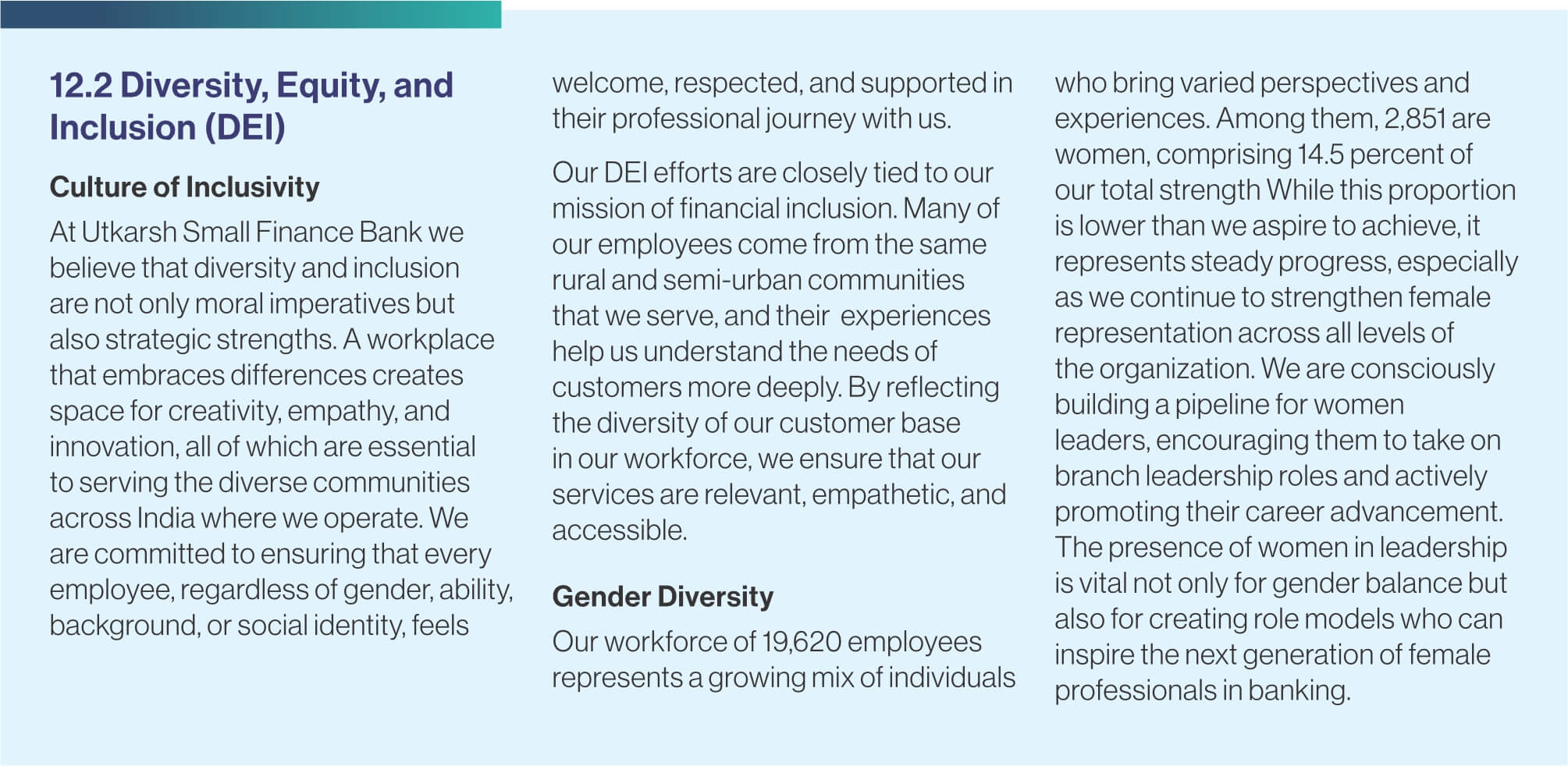
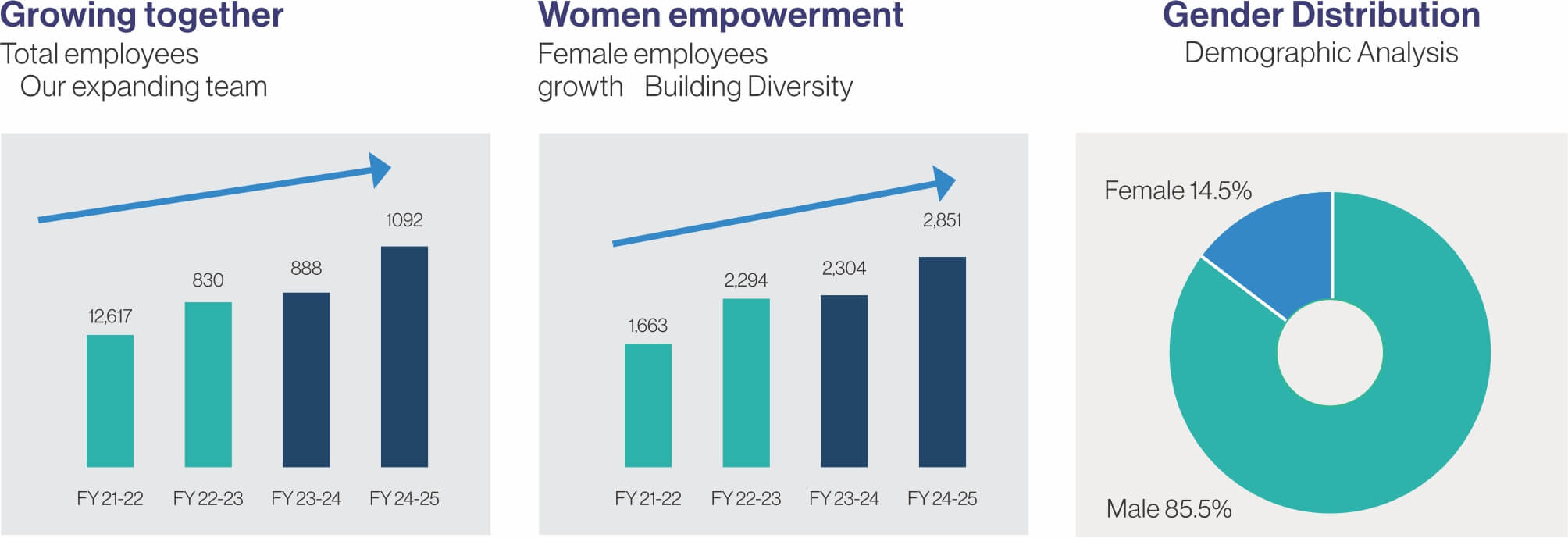
Differently Abled Employees
Inclusivity at Utkarsh extends beyond gender. We are proud to have 8 employees with disabilities working with us. Although they represent a miniscule percentage of our workforce, their contributions are invaluable, and their inclusion reflects our commitment to building a workplace where opportunities are accessible to all. To support differently abled employees, we provide adaptive technologies, workplace modifications, financial assistance, and preferential postings that allow them to work effectively and comfortably. Specialized training programs and return-to-work measures are also made available, ensuring that inclusion is not limited to recruitment but extends to day-to-day support and career development.
Gender Pay Gap
Equity in pay and treatment is another principle we uphold strongly. Our compensation framework is designed to eliminate bias and ensure fairness. In FY 2024-25 the median salary for female employees was ₹19,132 compared to ₹18,842 for male employees, reflecting not only pay equity but also progress towards closing the gender wage gap. This outcome is the result of deliberate efforts to standardize pay structures, promote transparency, and recognize the value of contributions without discrimination.
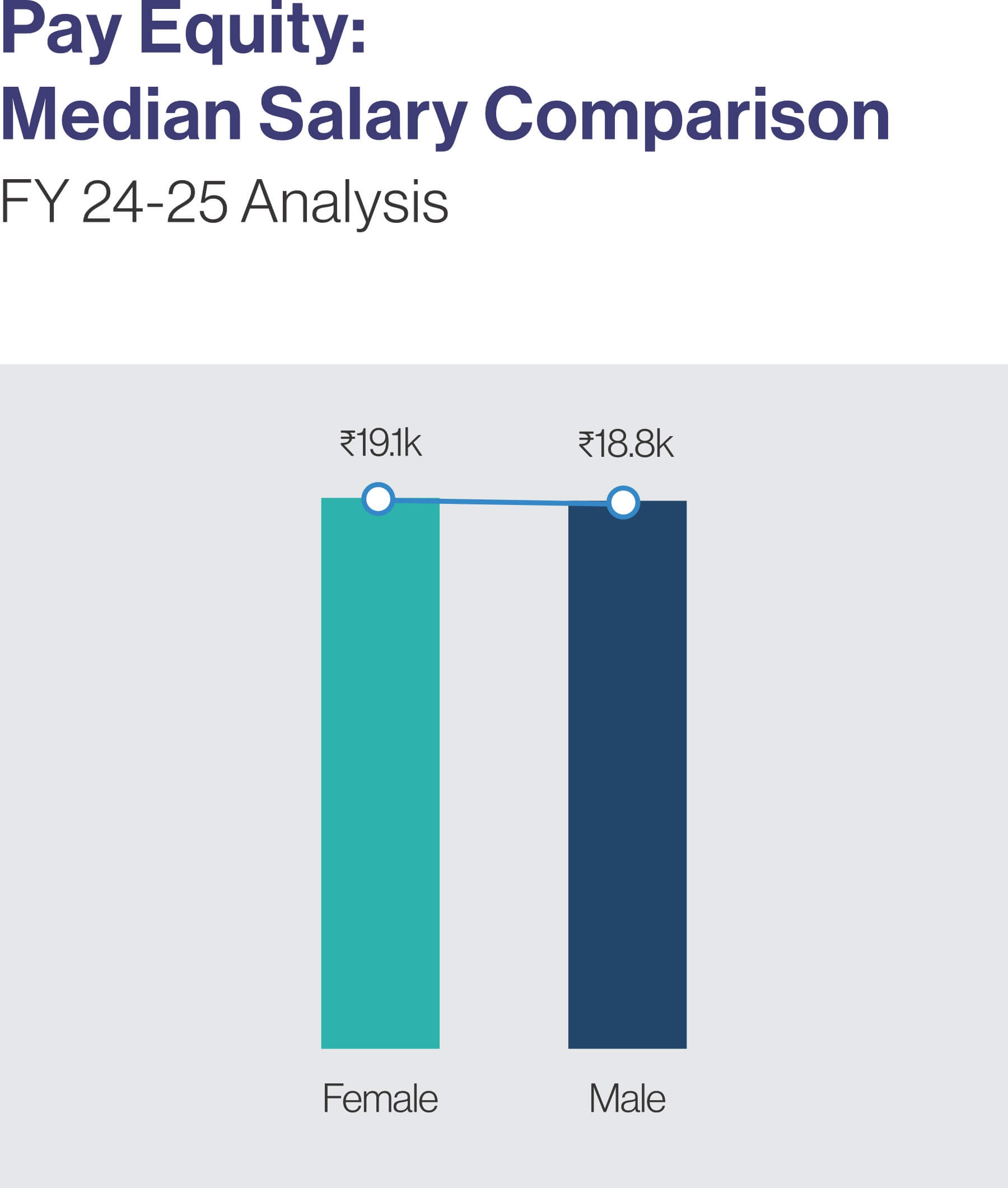
Parental Leave Policy
We also recognize parental rights and support employees in balancing professional and family responsibilities. Maternity leave, paternity leave, adoption
leave, sabbatical options, and on-site crèche facilities ensure that employees are supported during critical life stages. In FY 2024-25 all 476 employees who availed parental leave returned to work,
giving us a 100 percent return rate. This not only reflects our strong retention practices but also demonstrates the trust employees place in us to support their personal and professional journeys.
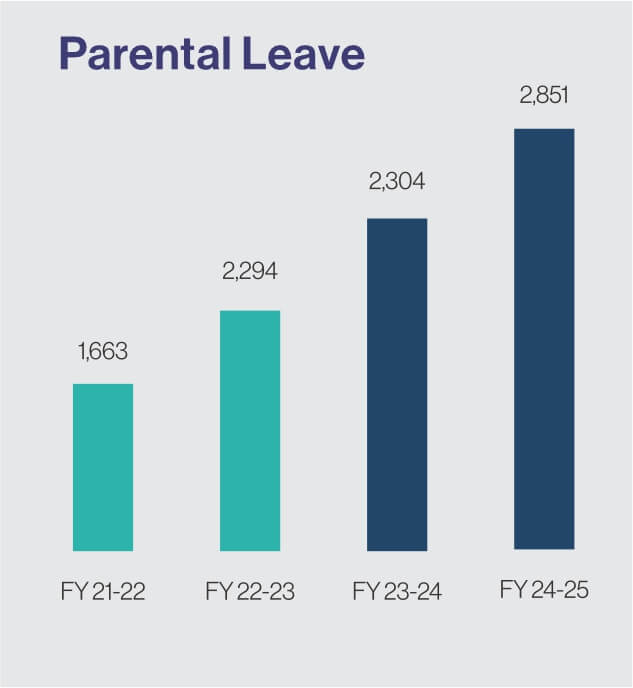
POSH
To reinforce inclusivity, we follow a zero-tolerance approach toward discrimination and harassment of any kind. Our Prevention of Sexual Harassment (POSH) policy provides a strong framework for addressing complaints, with dedicated internal committees to ensure impartial inquiry and resolution. In FY 2024-25, 13 complaints were reported under POSH, of which 6 were upheld. While the number of cases is relatively small compared to the size of our workforce, we treat each one with
utmost seriousness and ensure that corrective action is taken swiftly. These mechanisms are designed not just to address incidents but also to build a culture of trust where employees feel safe and confident in raising concerns.
Commitment to Human Rights
At Utkarsh Small Finance Bank we believe that respect for human rights is the foundation of a fair and responsible workplace. As a financial institution that serves millions of customers and employs thousands of people, we understand that our actions carry great responsibility. Human rights are therefore deeply embedded in our policies, practices, and culture, ensuring that every individual connected with Utkarsh whether an employee, customer, or community member is treated with dignity, fairness, and respect.
We uphold the principle of equality in all aspects of our operations. Our hiring practices are strictly non-discriminatory, ensuring equal opportunity for individuals regardless of gender, age, caste, religion, physical ability, or background. By promoting fairness in recruitment, training, and career progression, we ensure that every employee has access to the same opportunities to learn and grow. Our pay structures are designed with transparency and equity in mind, as demonstrated by the fact that the median remuneration for women employees is slightly higher than that of men, reflecting our commitment to closing the gender pay gap.
We also maintain a strict whistleblower policy Whistleblower Policy that protects employees who report unethical behaviour or misconduct. This mechanism provides multiple secure channels for raisingconcerns anonymously, ensuring that individuals can come forward without fear of reprisal. Every whistleblower complaint is reviewed and resolved by designated authorities, including the Audit Committee and the Chief of Internal Vigilance, to maintain fairness and impartiality.
Beyond workplace rights we also uphold the right to privacy and data protection for both employees and customers. With the rise of digital banking and increased reliance on technology, protecting personal data has become more important than ever. We have established strict protocols for data handling, storage, and access, ensuring compliance with regulatory requirements and building trust with customers who entrust us with sensitive information
Our human rights framework also extends to health, safety, and wellness. We recognize that the right to work in a safe and healthy environment is fundamental. This is why we invest in occupational safety measures, provide health insurance and accident coverage, and promote wellness through preventive healthcare initiatives. Employees and their families benefit from health checkups, wellness campaigns, and counselling support, reinforcing our commitment to protecting both physical and mental well-being.
Our approach to equality is not limited to internal practices. It also extends to the way we serve customers and communities. We ensure that our services are accessible to vulnerable populations, including rural households, women entrepreneurs, and differently abled individuals. Through inclusive financial products, financial literacy initiatives, and community development programs we uphold the rights of individuals to access essential financial services and opportunities
Employee Health, Safety, and Wellness
At Utkarsh Small Finance Bank we recognize that the well-being of our employees is central to the sustainability of our organization. A healthy, safe, and supportive workplace not only enables our people to perform at their best but also strengthens their long-term association with us.
Our health coverage reflects this commitment. In FY 2024-25, 91 percent of our male employees and 93 percent of our female employees were covered under health insurance schemes,
while accident insurance extended to nine percent of all employees across genders. Health insurance ensures that our employees and their families have access to quality medical care without financial strain, while accident insurance provides critical security in unforeseen circumstances.
Beyond financial protection, we actively promote preventive health and holistic wellness. Every year we organize a dedicated Wellness Month during which employees participate in yoga sessions, mindfulness workshops, and health awareness seminars. These programs are designed not just to encourage physical activity but also to promote mental resilience and emotional balance. Regular health checkups are arranged for employees as well as their spouses,
with all costs covered by the Bank. These initiatives have been well received by employees, many of whom have shared that such efforts make them feel valued and cared for at a personal level.
Safety at the workplace is another area we approach with seriousness and rigor. Fire drills, evacuation training, and incident reporting mechanisms are conducted regularly so that employees are equipped to handle emergencies calmly and effectively. These exercises are not treated as routine formalities but as essential measures to build awareness and preparedness across our workforce.
Employee Engagement and Recognition
At Utkarsh Small Finance Bank we consider employee engagement to be the cornerstone of building a motivated, productive, and loyal workforce. We believe that when employees feel heard, supported, and valued, they are more likely to take pride in their work and contribute wholeheartedly to our collective success.Recognition plays an equally important role in reinforcing positive behaviours and motivating employees to achieve more. At Utkarsh, recognition is not limited to financial rewards but extends to appreciation of effort, innovation, and adherence to our values. Employees who achieve sales targets, deliver exceptional customer service, or contribute innovative solutions are formally recognized and celebrated. Recognition is made visible through , awards ceremonies, and communication platforms, ensuring that achievements are acknowledged across the organization. This visibility fosters inspiration and creates a culture where excellence is both celebrated and emulated.
Our recognition framework is also closely linked with career development. We provide structured growth opportunities through competency mapping, succession planning, and talent management programs that prepare employees for higher responsibilities. The Internal Job Posting system allows employees to explore opportunities across departments and locations, creating avenues for mobility and advancement within the Bank. This ensures that career progression is not restricted but is dynamic and aligned with the aspirations of employees. Recognition for learning and development achievements further reinforces this culture, motivating employees to continually upskill themselves and expand their capabilities.
We place strong emphasis on providing holistic employee benefits that support both personal and professional lives. Housing loans, bike loans, and mobile loans are part of our benefits package, easing financial pressures and helping employees meet important personal milestones. These benefits demonstrate that we see our employees not only as professionals but also as individuals with personal goals and responsibilities. When employees feel supported in their personal lives, they are better able to contribute with focus and energy at work.
Engagement is also nurtured through the creation of opportunities for social connection. Annual events, sports days, cultural programs, and festival celebrations bring employees together beyond their formal roles and build a sense of camaraderie. These occasions reinforce our identity as one Utkarsh family where collaboration, joy, and togetherness are celebrated as much as professional achievement. By fostering such experiences, we ensure that employees feel emotionally connected to the organization and its people.
We also encourage employees to participate in idea-sharing platforms where innovation and creativity are recognized. Employees who propose solutions that improve efficiency, enhance customer experience, or reduce operational challenges are encouraged to lead the implementation of their ideas. This empowerment fosters a sense of ownership and demonstrates that every individual, regardless of their role, has the capacity to influence the organization’s growth trajectory.By weaving recognition, benefits, communication, and cultural engagement into one framework, we have created a comprehensive strategy that strengthens motivation and loyalty. Our approach ensures that recognition is not episodic but a continuous thread in the employee experience. For us, engagement is not simply about increasing productivity; it is about cultivating an environment where people feel proud to be part of Utkarsh and are inspired to contribute to our shared purpose of financial inclusion and social impact.
Job Creation and Retention
At Utkarsh Small Finance Bank we view job creation as both a responsibility and an opportunity. As we expand our network and grow our services, we recognize that each new branch, each new product line, and each new customer segment we reach creates possibilities for employment. These opportunities are especially meaningful because a large portion of our operations are in rural and semi-urban areas where stable and respectable employment can change the trajectory of families and entire communities.
Our hiring in the last few years has been a reflection of this commitment. In FY 2024-25 we welcomed 14,574 new recruits into the Utkarsh family. Out of these, 2,183 were women and 12,391 were men, marking an important step in improving gender diversity in our workforce. This level of recruitment represents more than just numbers, it demonstrates the trust that peopleplace in our organization as a platform for growth and also shows our ability to attract and retain talent across the country. Compared to earlier years the growth has been substantial. In FY 202122 we recruited 7,650 employees, in FY 2022-23 the number rose to 10,750, and in FY 2024-25 it climbed further to 14,574. This shows a CAGR 24% over three years, reflecting the pace of our expansion and the opportunities we are creating.
Retention of talent is just as important as hiring new employees. We understand that an engaged and stable workforce is critical to our ability to deliver high quality services to our customers. In FY 2024-25 our turnover stood at 10,847 employees, which included 9,219 men and 1,628 women. While turnover is a reality in every growing organization, we continuously evaluate the reasons behind exits and refine our policies to enhance retention. We offer competitive compensation, clear career progression pathways, and structured learning opportunities to ensure that our employees see long term growth prospects with Utkarsh.
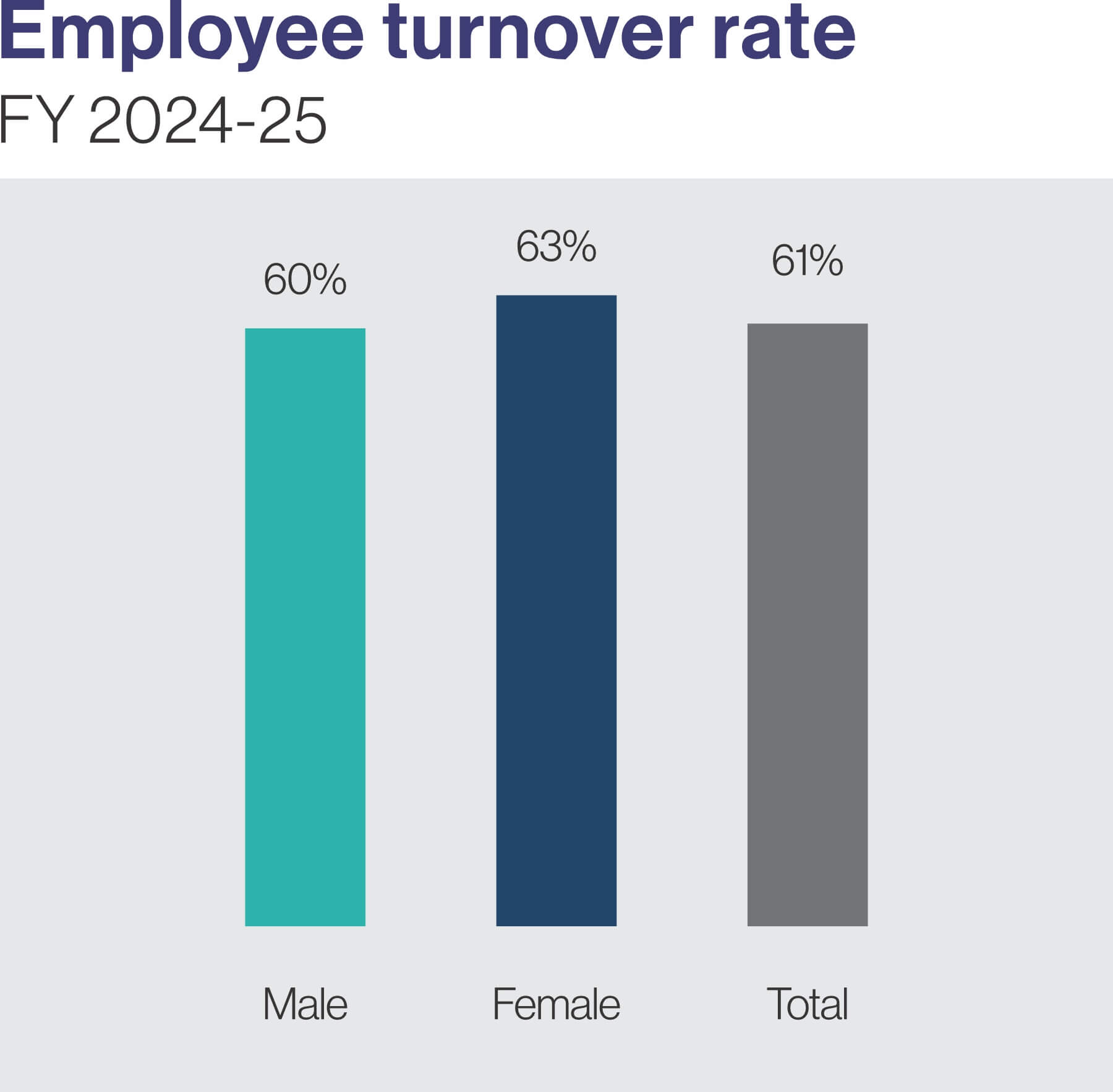
Our job creation and retention strategies have ripple effects beyond our organization. Every employee who joins Utkarsh contributes to household income, supports local economies, and becomes a representative of formal banking in their community. Particularly in rural areas, our employees act as catalysts for change, encouraging financial literacy and inclusion among people who may have never engaged with a bank before. Thus, the jobs we create are not just positions within an organization but vehicles for wider social transformation.
Learning and Development
At Utkarsh Small Finance Bank we believe that the growth of our organization is inseparable from the growth of our people. Learning and development form the backbone of our human resource strategy, ensuring that employees are continuously equipped with the knowledge, skills, and mindset required to excel in a dynamic financial sector. For us, training is not a one-time activity but an ongoing journey that begins the moment an employee joins us and continues throughout their career.
Our investment in learning is reflected in the scale of training coverage. In FY 2024-25, 7,481 employees participated in structured training programs, representing more than sixty percent of our total workforce. These programs covered both men and
women, with 7,059 male employees and 422 female employees receiving training. Importantly, female employees averaged slightly more training hours than their male counterparts, with 51.48 hours compared to 48.94. This demonstrates our effort to empower women with skills and opportunities for advancement. On average, every employee received 49.31 hours of training, a sharp increase from 29.2 hours in the previous year.This growth in intensity underscores our determination to strengthen capacity building across all levels of the Bank.
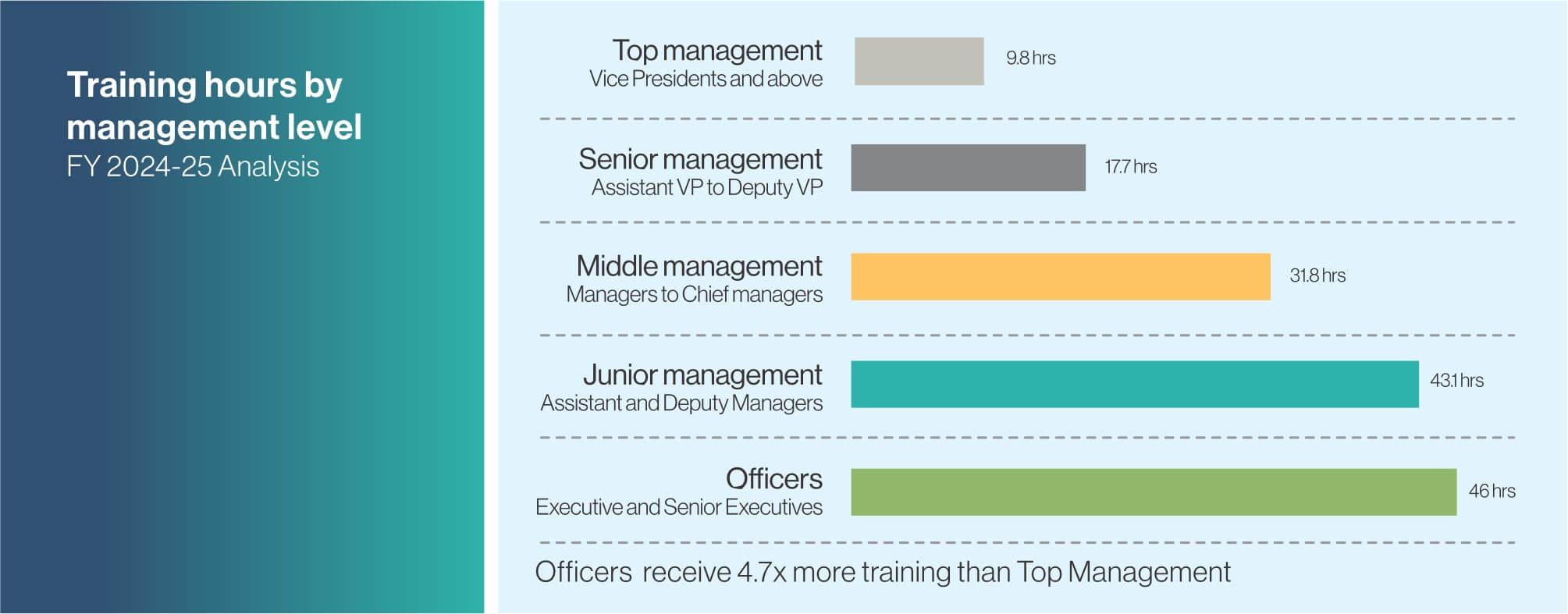
Our learning initiatives are carefully tailored to the different layers of the organization. For top management including vice presidents and above, training focuses on strategic thinking and leadership development with an average of 9.8 hours in FY 2024-25. Senior management such as assistant vice presidents to deputy vice presidents
undertook 17.7 hours of advanced leadership and operational excellence programs. Middle management including managers to chief managers received an average of 31.8 hours, covering areas like decision-making, resource optimization, and customer service excellence. Junior management employees such as assistant managers
and deputy managers benefitted from an average of 43.1 hours of training that built their supervisory and functional skills. Officers, comprising executives and senior executives, received the most intensive training averaging 46 hours, focusing on foundational skills, customer interaction, and operational efficiency.
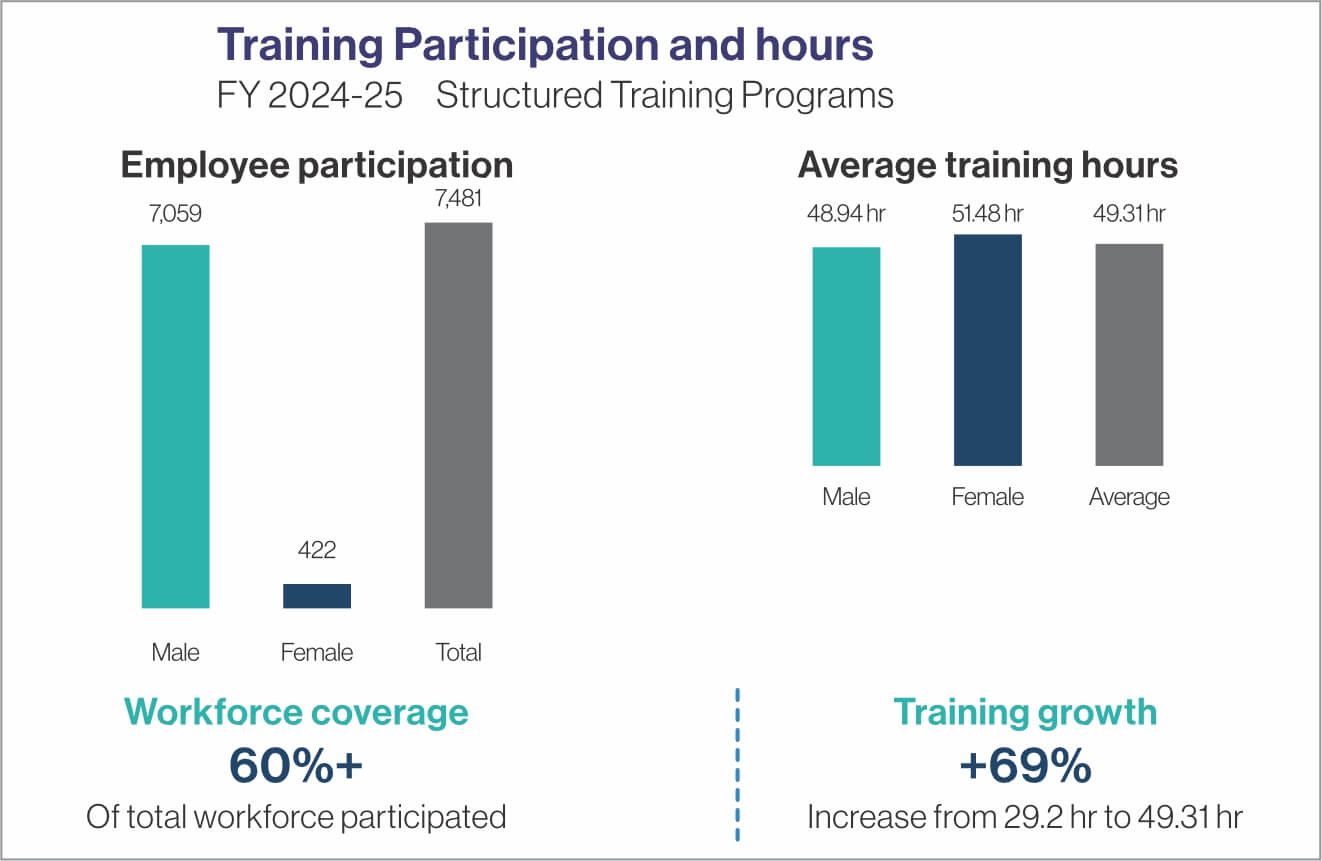
Beyond formal hours, our training portfolio spans a wide range of areas. We run induction programs that ensure new employees are well integrated into the culture and operational systems of the Bank. Functional training provides specialized knowledge relevant to roles in operations, credit, risk management, compliance, and customer service. Leadership development programs nurture the next generation of leaders, combining classroom sessions with mentoring and coaching by senior professionals. We also run unique initiatives such as the Utkarsh Probationary Officer Programme and the Utkarsh Abhyuday Programme which create structured pathways for career advancement and prepare employees for higher responsibilities within the Bank.
Learning is also embedded in our culture through continuous initiatives such as online training platforms, knowledge sharing publications, and interactive workshops. Our internal newsletters
“Gyan Darpan” and “Utkarsh Voice” serve as tools for spreading insights, case studies, and success stories across the organization. Employees are encouraged to share learnings and innovative practices, creating an environment where knowledge flows freely across teams and departments. Utkarsh Small Finance Bank has numerous training programs aligned with the employee life cycle and mapped to the role requirements and career path of an employee. They are classified as mentioned below
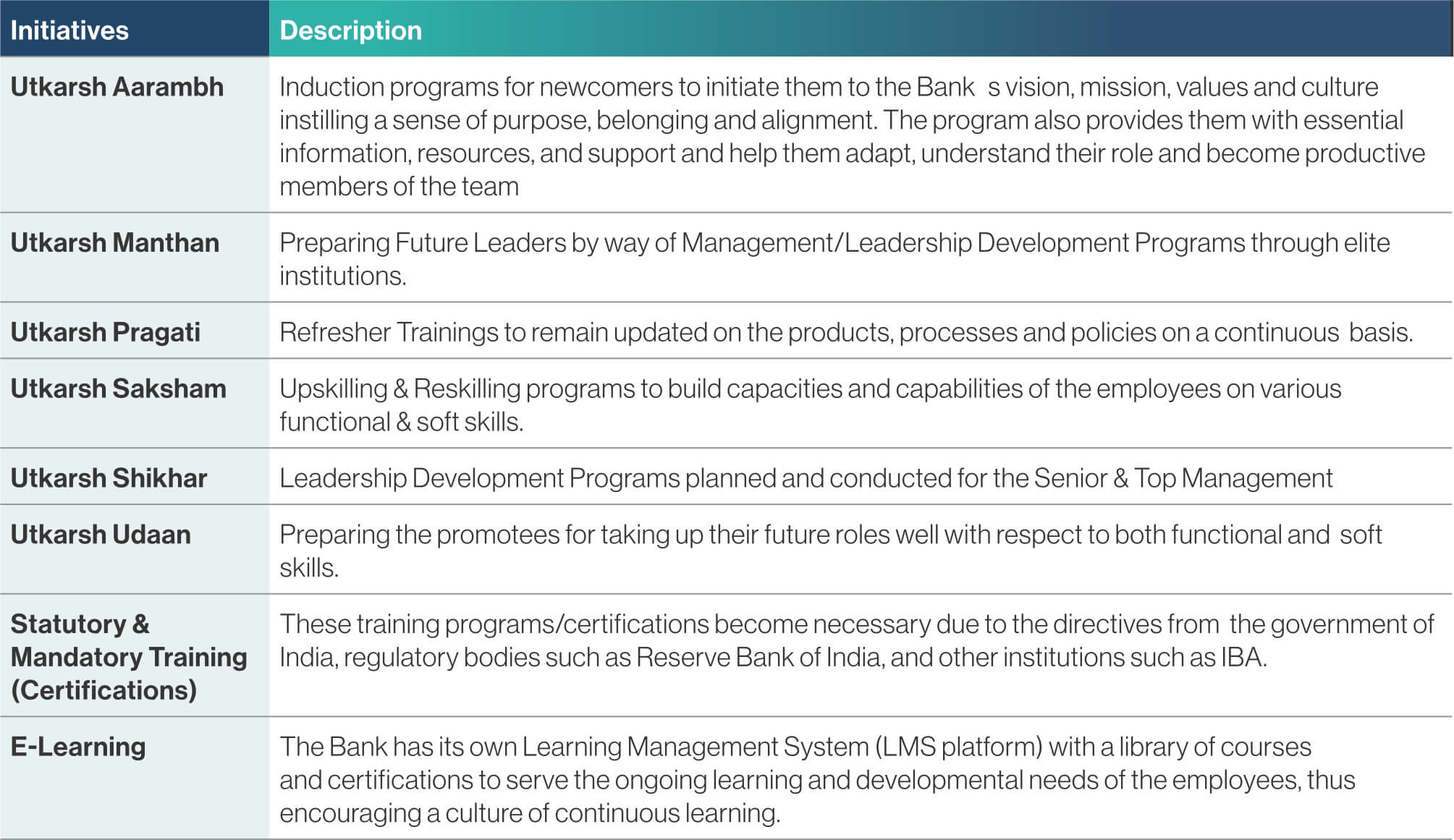
We recognize the importance of experiential learning as well. Employees gain exposure not only through classroom and digital platforms but also through visits to national and international organizations, peer learning opportunities, and cross-functional projects. This blend of formal and experiential learning ensures that our people do not just acquire theoretical knowledge but also gain the confidence to apply it effectively in their roles. Competency-based assessment centers further complement this
approach by identifying strengths and areas for development, enabling us to design targeted training interventions that maximize impact.Our L&D framework is closely aligned with performance management. Every employee at Utkarsh receives a formal performance and career review, ensuring that training needs are mapped to their aspirations and organizational goals. Recognition is also linked to learning achievements, motivating employees to invest in continuous improvement. This creates a cycle where
training fuels performance, performance opens opportunities, and opportunities drive further learning.At Utkarsh we see learning and development as a shared journey. It reflects our belief that when our employees grow, we grow with them. By investing in their skills, expanding their horizons, and preparing them for the future, we are not only strengthening our workforce but also reinforcing our mission of building a financially inclusive India.

- Community Engagement and CSR Policy
- Financial Literacy
- Healthcare
- Village Development Program
- Education and Skill Development
- Enterprise Development Program
- Aspirational District Program
- CSR Outcomes

Community Engagement and CSR Policy
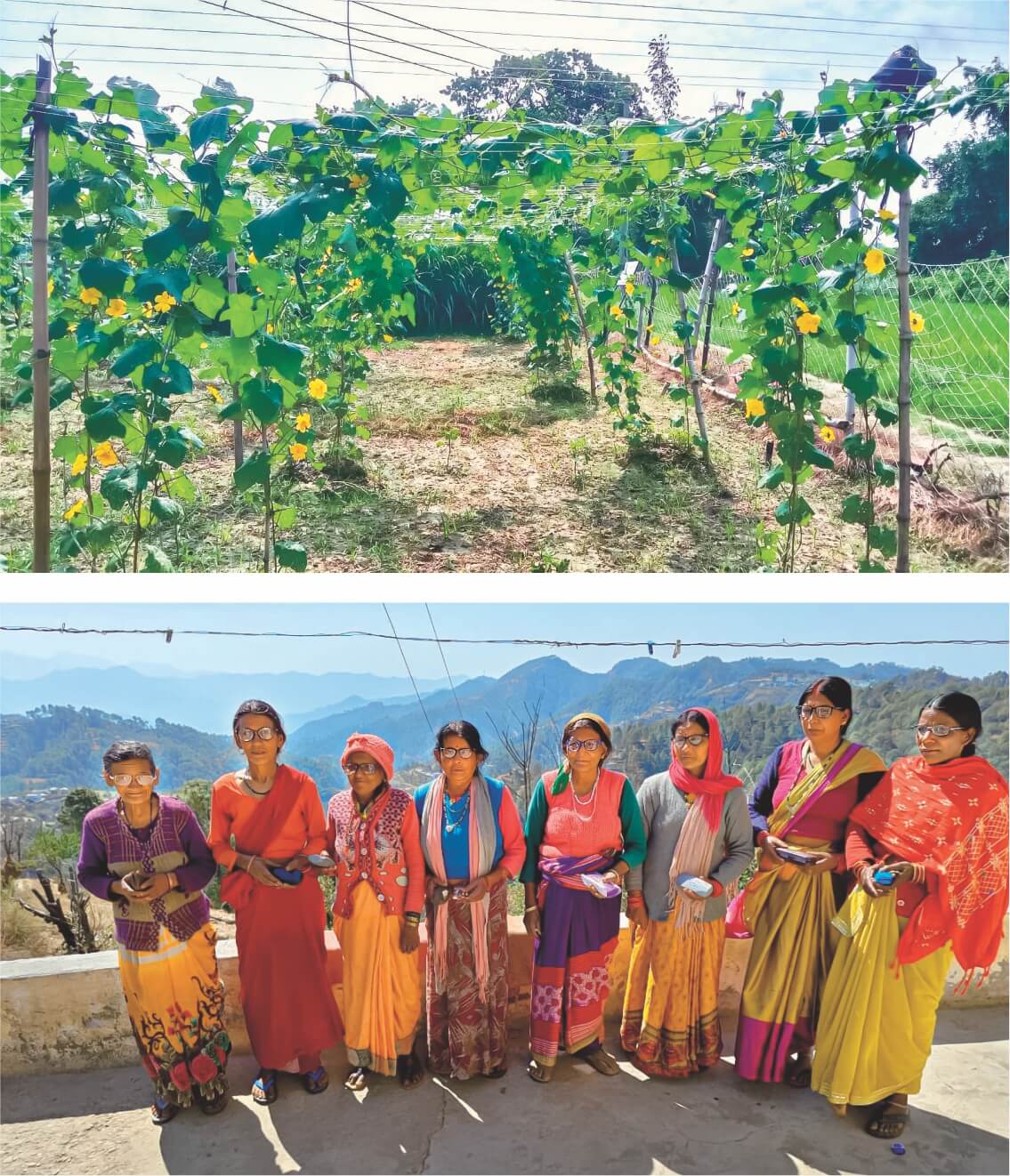
At Utkarsh Small Finance Bank we see ourselves not only as a financial institution but also as an active partner in the development of the communities where we operate. Our Corporate Social Responsibility initiatives are guided by the belief that true progress can only be achieved when social and economic development go hand in hand. We have therefore adopted a CSR approach that focuses on empowering marginalized populations, improving access to essential services, and creating sustainable livelihood opportunities. These initiatives are carried out primarily through the Utkarsh Welfare Foundation, our dedicated arm for community development.
Our CSR philosophy is built on three guiding principles. First, we strive to create balance between social and economic development so that our growth as a financial institution also translates into growth for the communities we serve. Second, we focus on eliminating barriers to social inclusion by working with the most underserved populations, particularly women, rural households, and marginalized groups. Third, we seek to create shared value by designing programs that not only improve lives but also strengthen the ecosystems in which we operate
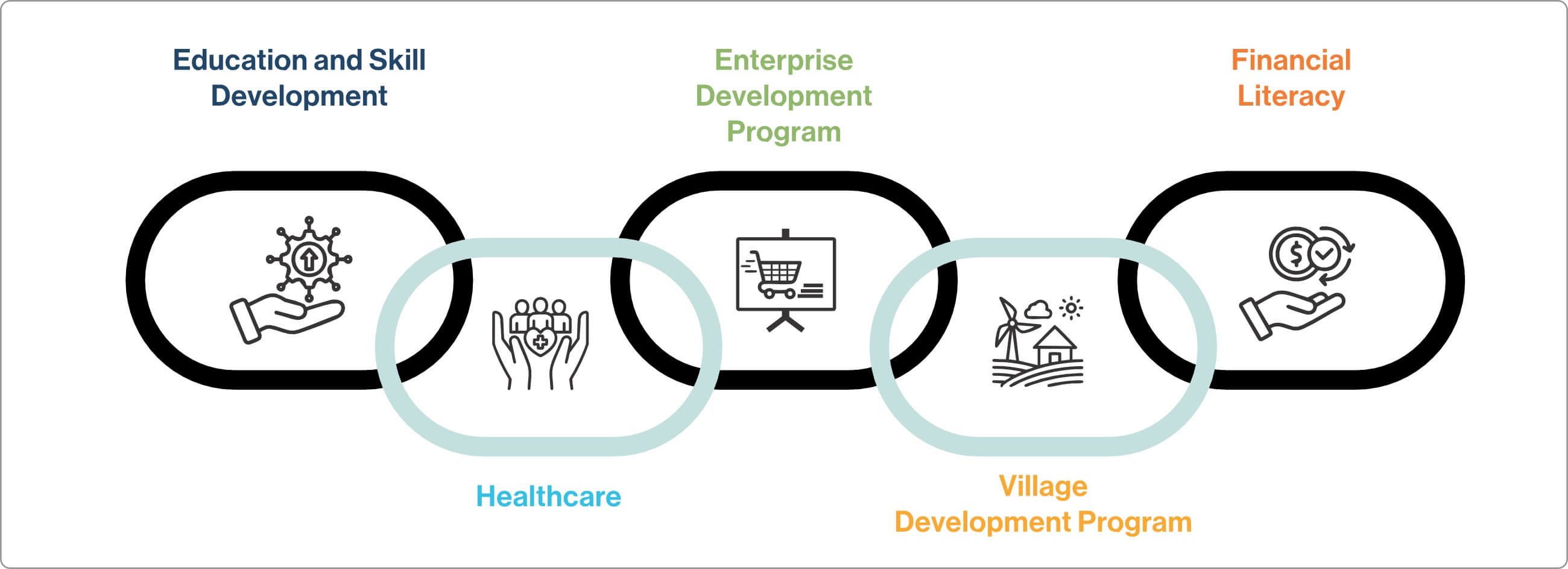
Our efforts cover a wide geographic footprint with programs being implemented in Bihar, Jharkhand, Madhya Pradesh, Meghalaya, Odisha, Uttar Pradesh, and Uttarakhand. Through these initiatives we have
reached thousands of households and individuals, impacting their lives in areas such as financial literacy, healthcare, education, skill development, and village transformation. Our CSR spending in FY 2024-25 stood at ₹3.40 crores,
positively impacting over one lakh lives across 24 districts and seven states. This level of commitment reflects our strong alignment with the Companies Act, 2013 and our dedication to making a measurable difference.
Financial Literacy
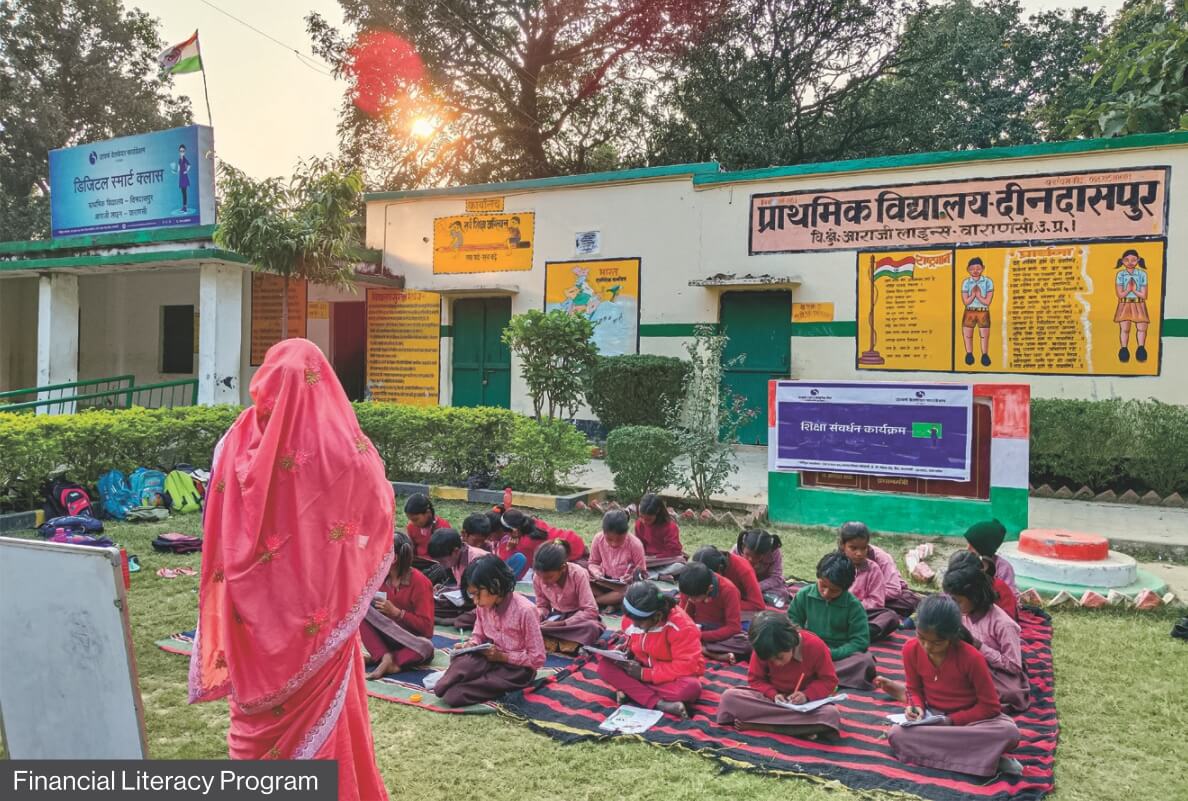
Financial literacy is one of the cornerstones of our CSR initiatives. We believe that economic empowerment begins with financial awareness. Through more than 1,200 financial literacy camps, we have educated over two lakh individuals on the importance of savings, household financial planning, the use of formal banking services, and the prevention of over-indebtedness. Many of the beneficiaries come from vulnerable rural backgrounds, where access to banking knowledge is limited. By equipping them with essential financial skills, we enable them to make informed decisions and safeguard themselves from exploitative practices.
This initiative also contributes to the United Nations Sustainable Development Goals, particularly Goal 8: Inclusive and Sustainable Economic Growth
“Finance ki Paathshaala” is another key effort under this commitment. It refers to the Post Graduate Diploma in Banking & Financial Services program, a one-year course offered by Utkarsh Small Finance Bank in collaboration with Sharda University and Baddi University. The program includes classroom learning, an internship at a bank branch, and on-the-job training, with the objective of developing skilled professionals to support the bank’s operations
Healthcare
Healthcare is another priority area where we have made significant strides. Through polyclinic camps, e-clinics, and specialized health camps focused on women and children, we have delivered primary healthcare services to more than 5.8 lakh beneficiaries. Our Swasthya Mitra programme has trained paramedical workers who provide doorstep checkups and medicines, bringing medical assistance directly to households in underserved regions. We have also strengthened health infrastructure by supporting hospitals with surgical instruments, ICU beds, and oxygen meters. These efforts ensure that communities not only receive immediate care but also benefit from improved health systems in the long term.
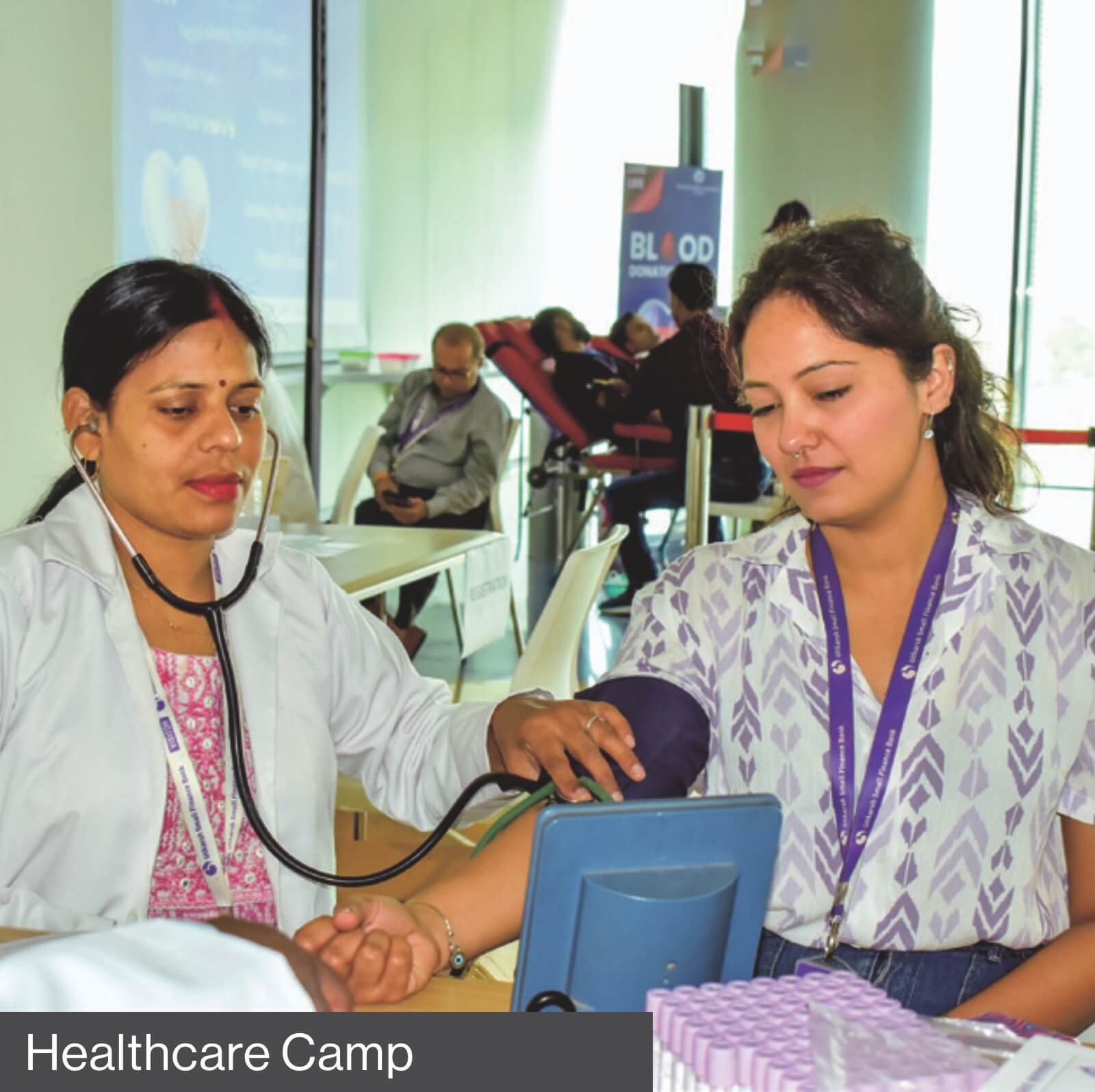
Village Development Program
Village development has emerged as a comprehensive initiative under our CSR portfolio. We adopt a participatory approach that involves communities in planning and implementing interventions. Smart classes for digital learning have been set up to improve educational outcomes, while agricultural initiatives provide modern techniques, input support such as seeds, and market linkages that enhance productivity. Women in these villages are trained in mushroom cultivation and backyard poultry, giving them additional sources of income. Sanitation and water projects further strengthen the quality of life in these villages, creating environments that are healthier and more resilient.
Education and Skill Development
Education and Skill Development form another cornerstone of our impact initiative. Over 14,760 individuals received support through educationfocused programs. Our skill entrepreneurship development programs reached 1,756 participants, equipping youth and women with vocational abilities that increase their employability and financial independence.
Enterprise Development Program
In Enterprise Development Program, our focus has been on supporting artisans, weavers, and women entrepreneurs. Through capacity building, training, and market linkages we have helped marginalized groups transform their skills into sustainable businesses. The Mahila Udyami Sashaktikaran Programme has been particularly impactful in building the business acumen of women micro-entrepreneurs. By helping them diversify, professionalize, and scale their enterprises, we enable women to become financially independent and contribute actively to household and community prosperity
Aspirational District Program
The program aims to transform India’s 112 Aspirational Districts, as identified by NITI Aayog and the Government of India, by improving social and economic indicators such as health, education, agriculture, financial inclusion, skill development, and basic infrastructure. Utkarsh channels its CSR activities into these regions, focusing on the most disadvantaged communities to uplift living standards, facilitate inclusive growth, and encourage self-reliance.
Utkarsh has actively spent funds in multiple aspirational districts across Bihar, Jharkhand, Uttar Pradesh, and Uttarakhand, such as Chandauli, Garhwa, Giridih, Haridwar, Hazaribagh, Katihar, Muzaffarpur, Purnea, Palamu, Ranchi, Sonbhadra, and Udham Singh Nagar. These efforts aim to align local development with national priorities, reducing poverty and enabling marginalized populations to participate fully in economic growth.
Utkarsh’s strategy emphasizes collaboration with local governments and leveraging its strong rural and semi-urban presence, using a multipronged, sustainable approach through its Welfare Foundation. The bank strives for long-term impact by focusing on financial inclusion, entrepreneurship, and holistic community upliftment, aligning with India’s broader SDG and inclusion goals.
CSR Outcomes
Through its Corporate Social Responsibility (CSR) initiatives, Utkarsh has been able to make a significant impact across key focus areas such as financial literacy, healthcare, education, skill development, and village development. Financial literacy programs have benefitted approximately 2,08,177 individuals, equipping them with the knowledge and confidence to manage personal finances effectively. Healthcare initiatives have reached nearly 5,88,450people, providing critical medical support and spreading awareness on preventive health practices, especially among underserved populations.
Educational programs have empowered around 14,760 beneficiaries, creating opportunities for learning and growth, while 1,756 individuals have been positively impacted through skill development, vocational training, and entrepreneurship programs aimed at building economic independence and sustainable livelihoods. Village development initiatives have supported 5,004 people, contributing to improved community infrastructure and enhancing the overall quality of life in rural areas.
A notable aspect of Bank’s CSR outcomes is the focus on vulnerable and marginalized groups, who make up about 90% of the total beneficiaries. While the inclusive approach of villagelevel outreach has extended benefits to other sections of the community as well, the organization’s efforts remain rooted in uplifting those most in need.
On the community front, our CSR programs through the Utkarsh Welfare Foundation will scale up their reach and impact. We plan to expand financial literacy programs, introduce more health awareness initiatives, and invest in sustainable livelihood models that build resilience in rural households. Village development will remain a focus area, with greater integration of education, health, sanitation, and income generation efforts to create holistic change at the grassroots.
Our vision is to build an institution that not only delivers banking services but also creates opportunities, fosters inclusion, and contributes to a more equitable and sustainable society. We know that this journey will require perseverance, innovation, and collective effort, but we are confident that with our people, our customers, and our communities by our side, Utkarsh Small Finance Bank will continue to grow responsibly and make a lasting difference in the lives we touch.

- ESG Governance Structure and Oversight
- Anti-Corruption, Anti Bribery and Fair Competition
- Data Protection & Privacy
- Cybersecurity Governance
- Compliance
ESG Governance Structure and Oversight
A robust corporate governance framework forms the cornerstone of a sustainable enterprise and fosters confidence among stakeholders and the broader community. Our guiding principles, supported by comprehensive frameworks, policies, and controls, ensure responsible conduct across all operations. We continuously assess and enhance our processes and structures to advance transparency, effectiveness, and accountability, thereby supporting inclusive and sustainable growth.
Constitution of Board of Directors
The Board of Directors of the Bank are constituted in accordance with the provisions of the Companies Act, 2013 (Act), Securities and Exchange Board of India (Listing Obligations and Disclosure Requirements) Regulations 2015, the Banking Regulation Act, 1949 (the BR Act, 1949) and the Articles of Association. The Board consists of eminent people with considerable professional expertise in business administration, audit, banking, payment & settlement, compliance, account, finance, human resource, risk, strategy, information technology and other related fields.
It guides Relationship and Credit teams to build in caveats to derisk Bank’s loan book from ESG perspective.
Committees of the Board of Directors
For effective decision-making, the Board acts through various Committees, which oversee specific operational or strategic matters falling within the ambit of the specific terms of reference of that committee. The Board has constituted 12 such committees. All the Board Committees have a specific charter, and these Committees monitor activities falling within their terms of reference. Additional details of the Board Committees, its composition, attendance, meetings held during FY 23-24 etc. have been provided separately in Corporate Governance Report.
Conflict of Interest
The Bank upholds stringent policies on Code of Conduct for Directors & Senior Management Personnel, accessible on the Bank’s website, providing a framework for addressing norms to avoid conflict of interest situations.
The Bank also has Related Party Transaction Policy https://www.utkarsh.bank.in/uploads/pdf/our-policy/template_ten/Related_Party_Transaction.pdf, which:
(i) Ensures timely identification of the transactions between the Bank and its related parties in compliance with the applicable laws,
(ii) Govern the approval process and disclosure requirements to ensure transparency in the conduct of RPT in the best interest of the Bank and its shareholders
There were no complaints received in relation to issues of Conflict of Interest of the Directors & KPMs in FY25.
Board Evaluation
In accordance with the Companies Act, 2013 (Act) and the framework for Board evaluation, the Nomination and Remuneration Committee and the Board of Directors have carried out, annual performance evaluation of the Board, itsCommittees and Directors individually. Further, a meeting of Independent Directors was held in accordance with the provisions of the Act.
A questionnaire was prepared for evaluation based on criteria which included providing strategic perspective, attendance, time devoted and preparedness for meeting, quality, quantity and timeliness of flow of information between the members of the Management, contributions at the meetings, effective decision - making ability, role and effectiveness of the Committee. The Directors completed the questionnaire and provided feedback on the functioning of the Board, its Committees and Directors individually and the same has been noted in the meetings of the Board of Directors
Executive Management
Our management structure encourages effective leadership that is consistent with our corporate standards and promotes a strong corporate culture. We manage our company on a line-ofbusiness basis, while also maintaining strong corporate functions and governance. Executive level committees support the Board, provide a path for escalation of risks and execute effective operations, strategy and risk decisioning. Many senior management committees are further supported by additional committees that execute specific functions aligned to businesses, programs or risk types.
The Bank has created a management level ESG committee having the following constitution. The terms of reference of the ESG committee includes reviewing the ESG performance of the Bank & guiding the Bank’s future course of actions in terms of ESG including disclosures. ESG Committee is responsible for reviewing and approving the reported information, including organization’s material topics. The committee should also describe the process for reviewing and approving the information
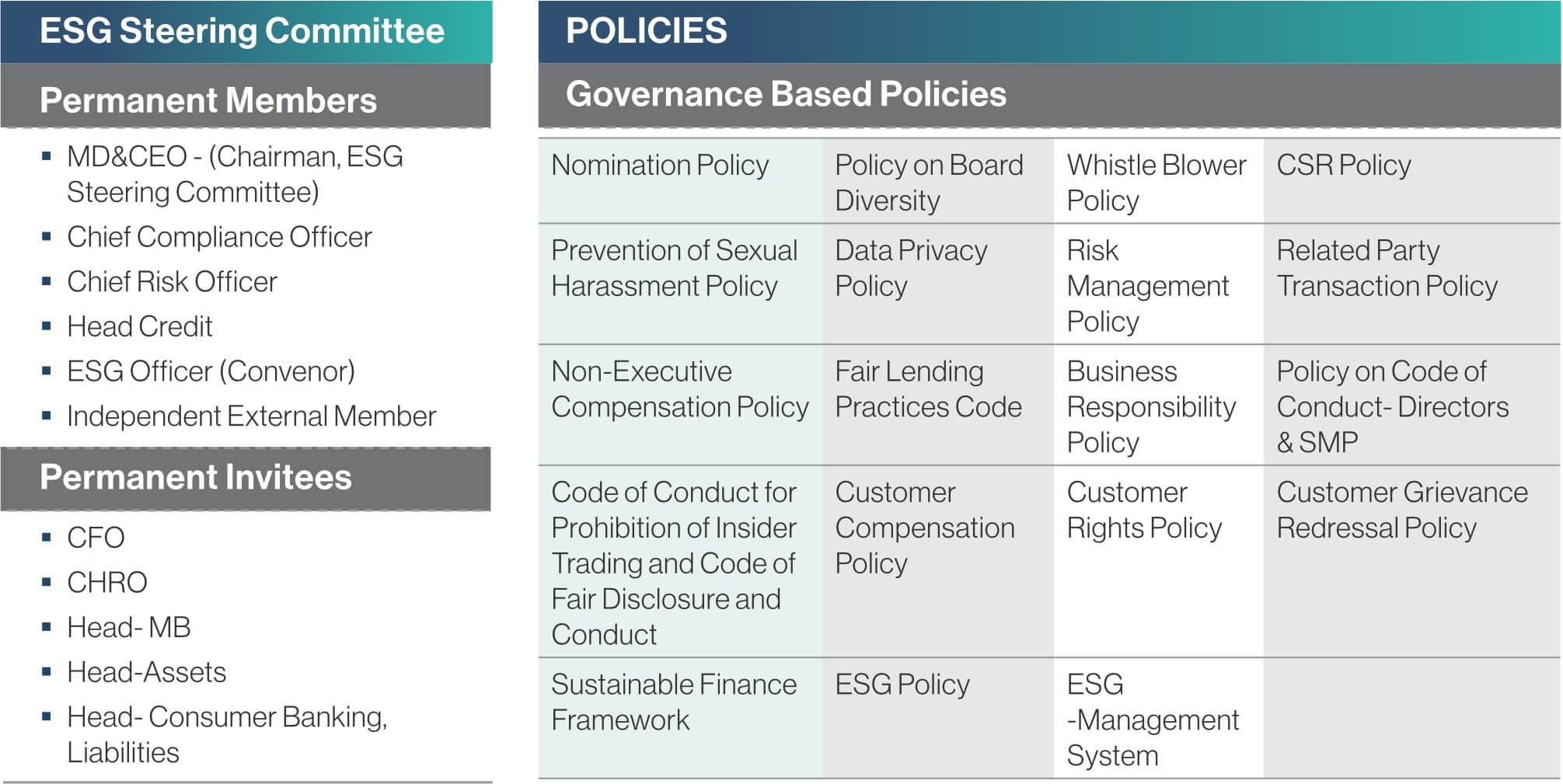
Key Policies that Support our ESG Strategy
To integrate ESG considerations into all aspects of the Bank’s operations, Utkarsh has adopted a variety of essential policies, codes of conduct, and guidelines. These measures actively foster and maintain its dedication to responsible banking throughout the organization.
Anti-Corruption, Anti Bribery and Fair Competition
Utkarsh Small finance Bank Limited is dedicated to combating corruption and promoting fair competition in all its markets. We have implemented rigorous anti-corruption policies and procedures, including regular training for employees and management. Compliance with fair competition laws is a key component of our commitment to ethical business practices, fostering a level playing field in the industry
To reinforce our commitment to ethical, legal, and value-driven operations, Utkarsh practices a zero-tolerance approach to bribery and corruption. In accordance with the Bribery Act, we have established anti-bribery procedures that include:
1. Ensuring that all employees understand the definition of bribery and our zero-tolerance stance.
2. Identifying high-risk areas for bribery within the organization and implementing appropriate mitigation measures.
3. Providing protection for whistleblowers and thoroughly investigating any allegations of bribery or corruption.
4. Addressing instances of bribery or corruption swiftly and effectively.
5. Regular monitoring of the effectiveness of an ethics and compliance control system performed through internal testing and formal external auditing.
6. Number of reports related to whistleblower procedure:0
7. Percentage of employees trained on business ethics:100%
During the reporting period, we encountered no incidents of bribery or corruption.

Data Protection & Privacy
We care about our customers and walk that extra mile to earn their trust and loyalty. We ensure that customer information is protected and secure. We only use customer information as agreed, and we maintain compliance with applicable laws and regulations.
The Bank is committed to keeping Personally Identifiable Information (PII) secure and using it exclusively for banking-related activities. The Bank has implemented a privacy policy designed to protect the personal information
provided or disclosed by customers. This policy outlines how the Bank collects, uses, discloses, stores, secures, and disposes of personal and sensitive data.
The Data Privacy Policy is available on the Bank’s website: https://www.utkarsh.bank/uploads/policy/Data_Privacy_Policy.pdf
The security of personal information is a priority and is protected by maintaining physical, electronic and procedural safeguards that meet applicable laws. The Bank shall take reasonable steps
and measures to protect the security of the customer’s personal information from misuse and loss, un-authorized access, modification or disclosure. The Bank maintains its security systems to ensure that the personal information of the customer is appropriately protected and follows the extant standard protection norms followed for the transmission of information.
During the year 2024-25, number of complaints related to breaches of customer privacy and losses of customer data was nil.
Cybersecurity Governance
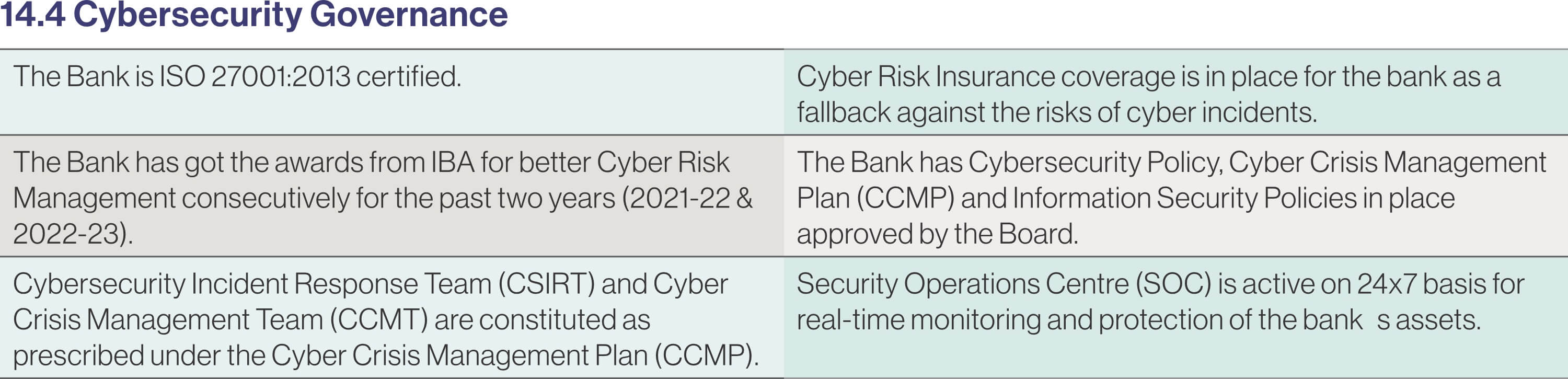
The Bank has an independent information security group to manage cyber risks, governed by a boardapproved policy. Periodic awareness exercises keep employees updated on security practices. The information security function is driven by both technology and process driven controls. The Bank has established effective processes in line with RBI guidelines, ensuring cybersecurity compliance. Governance and management processes are in place to implement, maintain, and improve policies. The Bank meets RBI’s Baseline Cybersecurity Resilience requirements, employing defense-in-depth security measures.
Robust Cybersecurity awareness program is in place as part of overall Cybersecurity program for customers, employees, and partners. Our Risk Management committee ensures compliance with internal cyber risk policies.
(Risk Management Policy-https://www.utkarsh.bank/uploads/pdf/ourpolicy/template_ten/Risk_Managment_Policy.pdf)
14.5 Business Continuity and Disaster Management Plan
The Bank has well established Business Continuity Plan (BCP) framework
which has been put in place to ensure continuity of service in case of natural or unnatural calamity to its large customer base. The effectiveness of the approved Business Continuity Plan (BCP) framework is tested for all identified critical units to ensure readiness to meet various contingency scenarios and take corrective actions wherever any issues are observed. The Bank has smoothly managed to run its operations by adapting to various continuity plans. Treasury has put in place robust Business Continuity Plans (BCP) and periodically conducts business from alternate locations as part of BCP.
Compliance
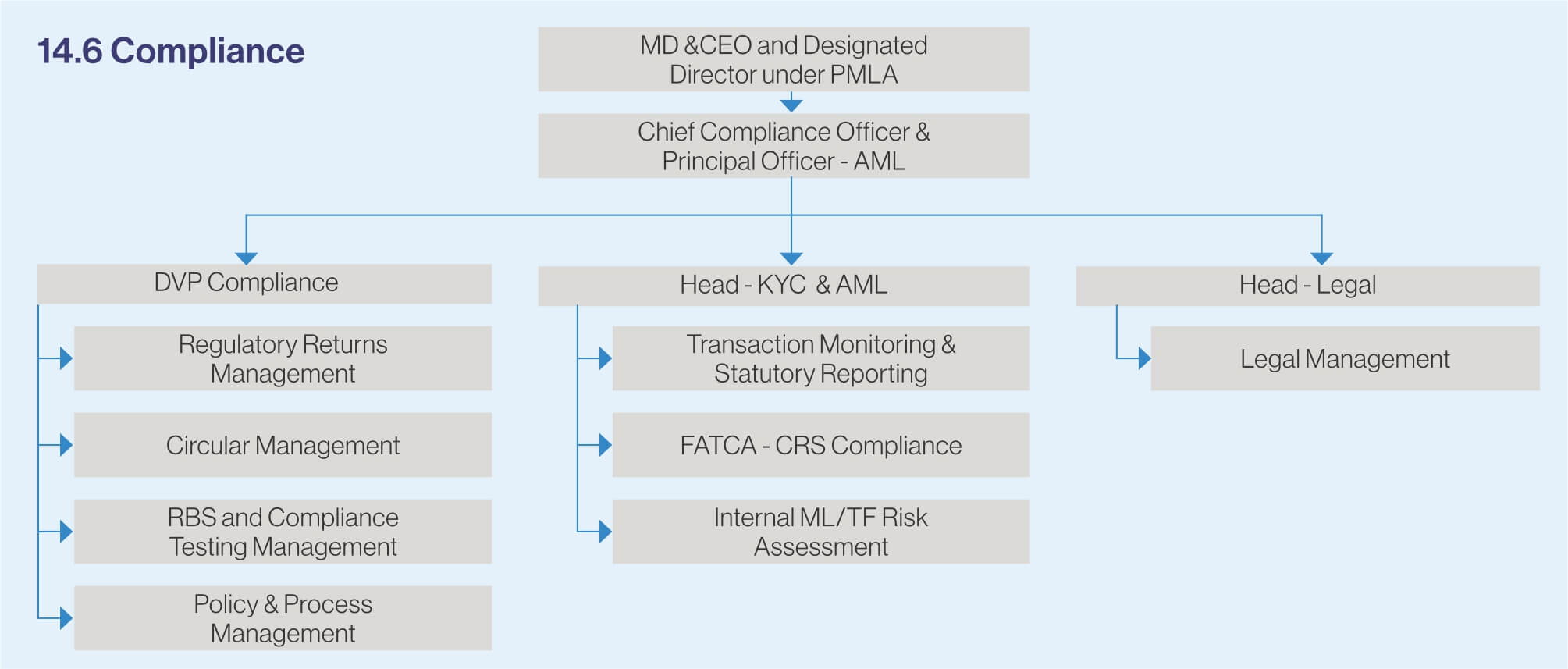
Process framework within the compliance department
The Bank’s Compliance Department (CD) consists of Regulatory Compliance, AML Compliance and Legal Compliances. The Compliance Department has an established process of dissemination of guidelines or circulars released by various regulators, review of policies and tracking creation of new policies by the stakeholders,
tracking timely submission of returns to regulatory authorities, correspondence with regulatory authorities, transactional alerts monitoring, drafting and vetting of agreements and advising various internal stakeholders on legal Compliances matter. This helps the Bank to ensure effective compliance with policies, regulatory guidelines, and applicable legal framework and action points as per the Regulator’s expectations.
In addition to the interaction with the regulators, the compliance department periodically apprises the bank’s management, Board of Directors, and Board Committees on the changes in the regulatory environment and the status of compliance thereof in the bank. Necessary steps have been initiated towards cultivating and building a strong compliance culture within the Bank.
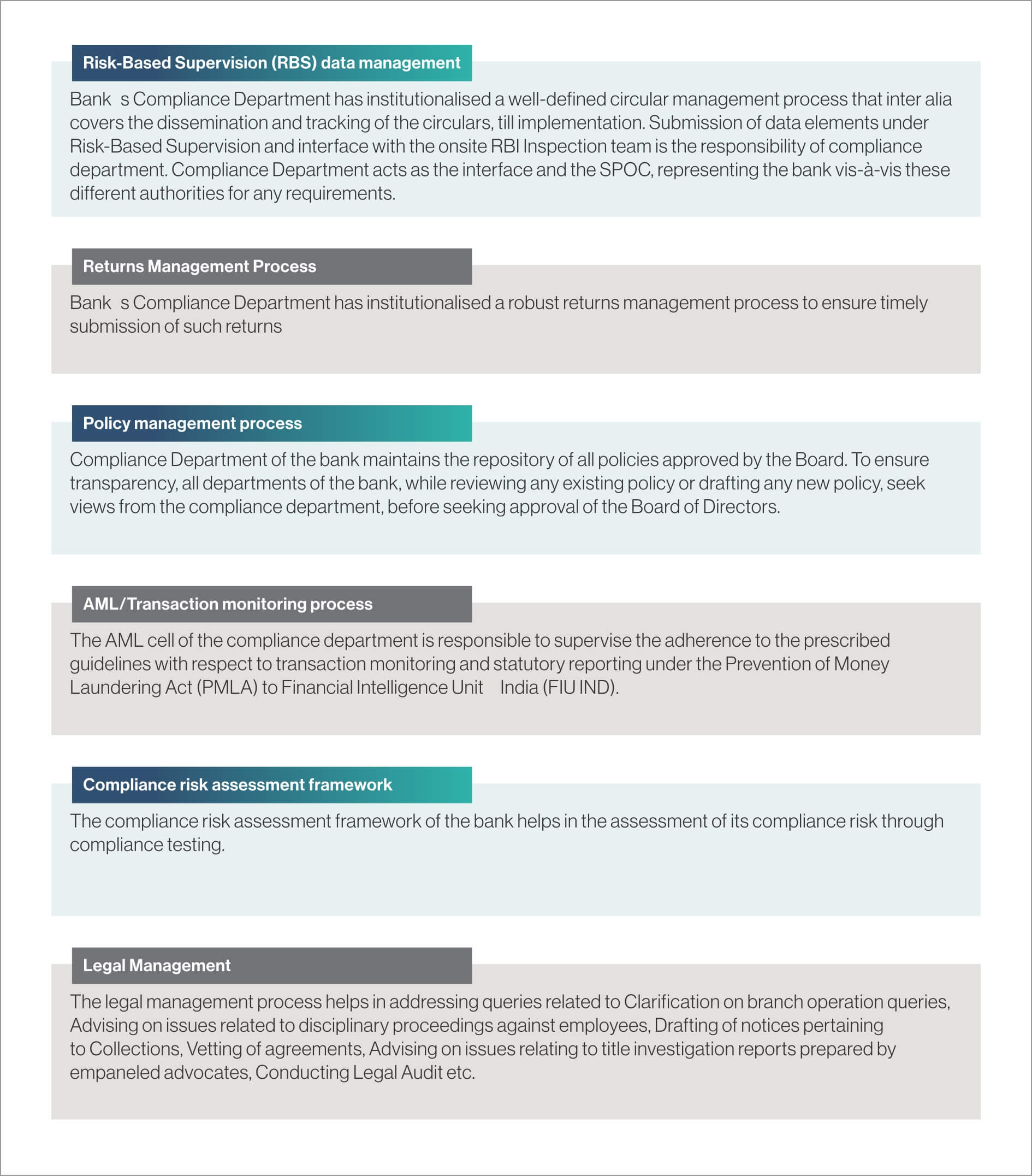
Process Framework of Compliance Department
Tax Compliance
Bank is committed towards maintaining transparency and highest standards of integrity wherein emphasis is placed on the timely and accurate compliance. The tax function is embedded under leadership of Chief Financial Officer. The Board / Audit Committee is periodically kept informed on tax litigations, compliances and updates on tax developments and also tax issues that could have significant impact on organisation. Bank observes compliance with the tax legislation of the country, discharging tax liabilities duly and respects the underlying policy intent. Bank endeavors act in integrity and does not indulge in artificial arrangements to avoid tax through unethical means. Bank observes strong governance practices to abide with the tax principles.
Bank adheres to the “maker-checker reviewer” control mechanism for monitoring the compliance reporting. Bank adheres to the internal SOP’s and the compliance due date calendar / checklist / risk control matrix (RCM) to fulfil the tax compliance. This is further audited by the Internal Audit function on
quarterly basis. The grievances raised related to tax are addressed within specified TAT and with the collaboration of internal stakeholders. Bank engages with tax consultants for a timely review of reporting requirements and for their opinions on the tax positions of the bank. The same is duly disclosed in the financials and the annual reports. Tax authorities are one of the important stakeholders and we believe in an honest and transparent approach/disclosures in all our submissions. Approach towards managing the tax matters is in line with its corporate purpose, strategy and culture.
Approach towards managing the tax:
i. Tax strategy of the bank is a subset to the budget / rolling forecasts and these are reviewed and approved by the Board of Directors.
ii. Bank observes all applicable laws, rules and regulations in meeting compliance and reporting responsibilities. This includes complying with the applicable tax laws and ensuring the payment of tax and filing of returns within the prescribed due dates. The bank is in continuous process of automating the process of
tax compliance to improve & streamline the quality of reporting.
iii. Bank draws its tax strategy in line with its Budget Forecast considering the anticipated earnings, write off, NPA provisions and other key metrics and these are periodically reviewed as per the rolling forecasts.
iv. Bank maintains a collaborative and transparent relationship with the Tax regulators by responding to all communications from the tax authorities on a timely basis. The bank works in collaboration with the tax consultants to observe timely submission of responses and closure of tax matters. While the recourse of litigation/ appeal is being followed in cases of disagreements with the authorities, the bank maintains a professional and collaborative interaction throughout the process. The bank continuously engages on updates on tax issues and policy matters.
v. Bank consistently keeps all stakeholders informed about its taxation approach which involves a thorough analysis of updates regarding relevant laws, judicial precedents and consultations with tax practitioners and counsels.

Sustainability Goals & Targets
Goals and Targets
Each theme is broken down into key areas aimed at addressing goals and targets as part of the bank’s sustainability initiatives. The bank has developed a structured and detailed internal strategy through stakeholder consultation process and is making efforts to achieve its goals accordingly.
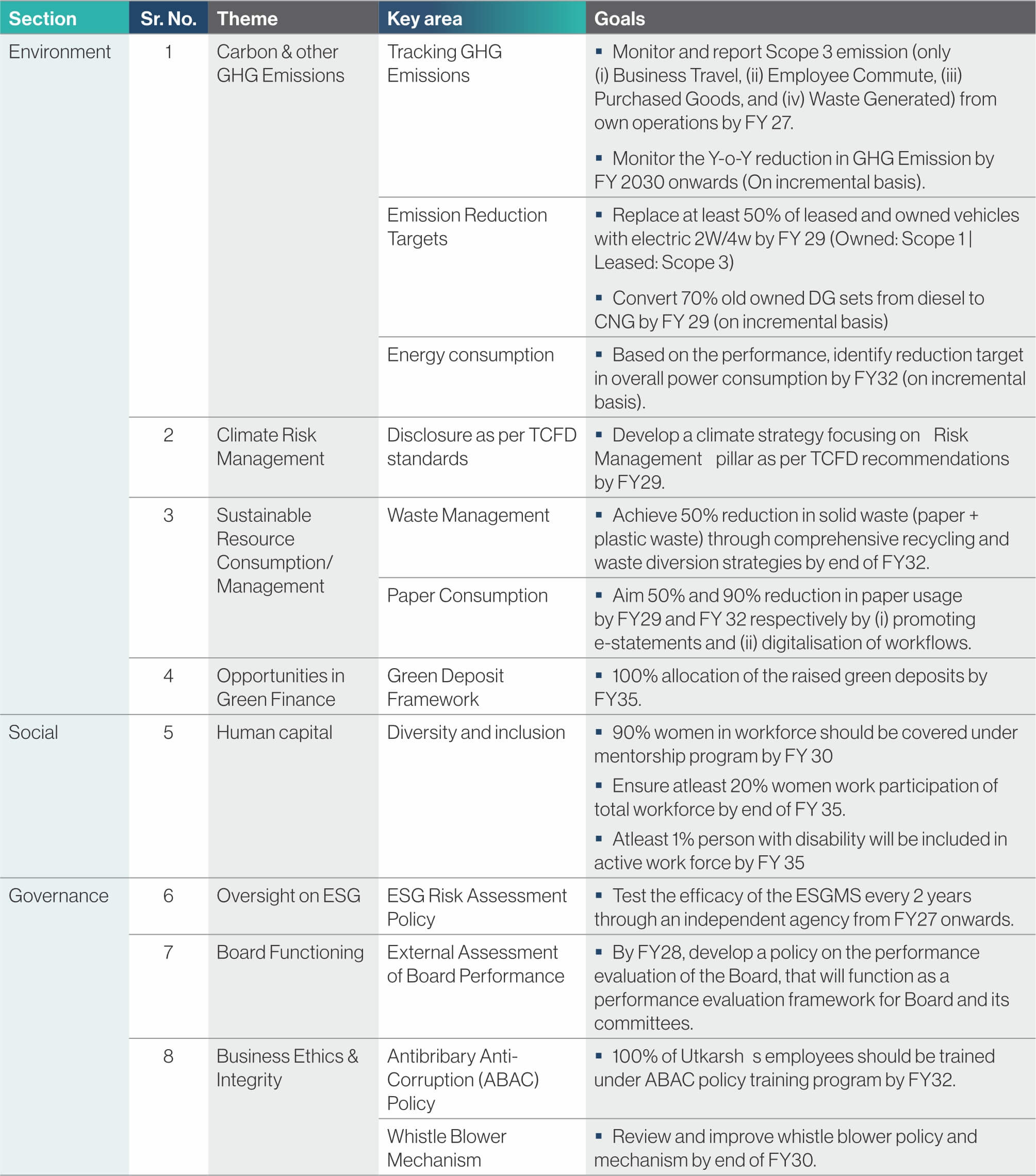
ESG Disclosure
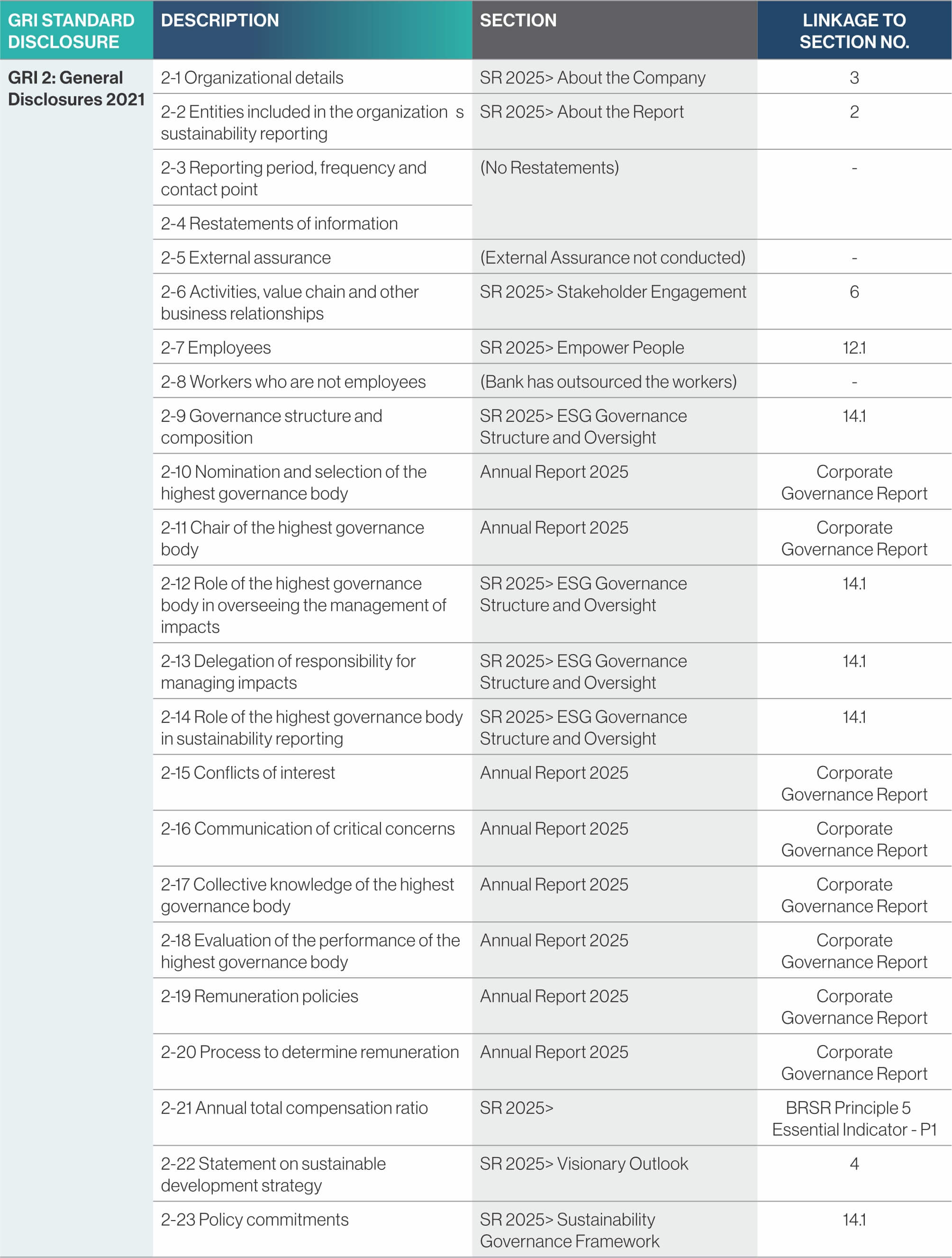
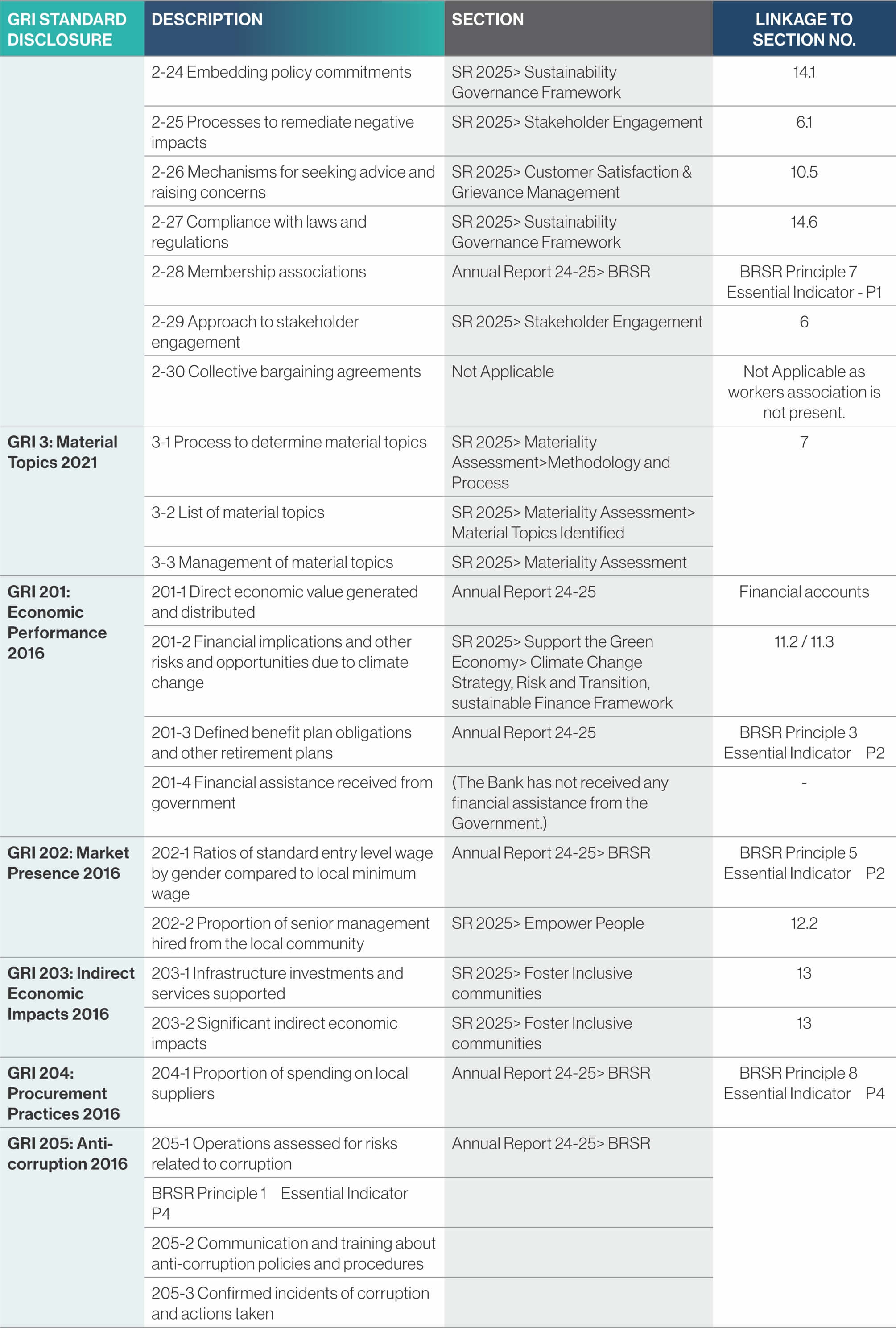
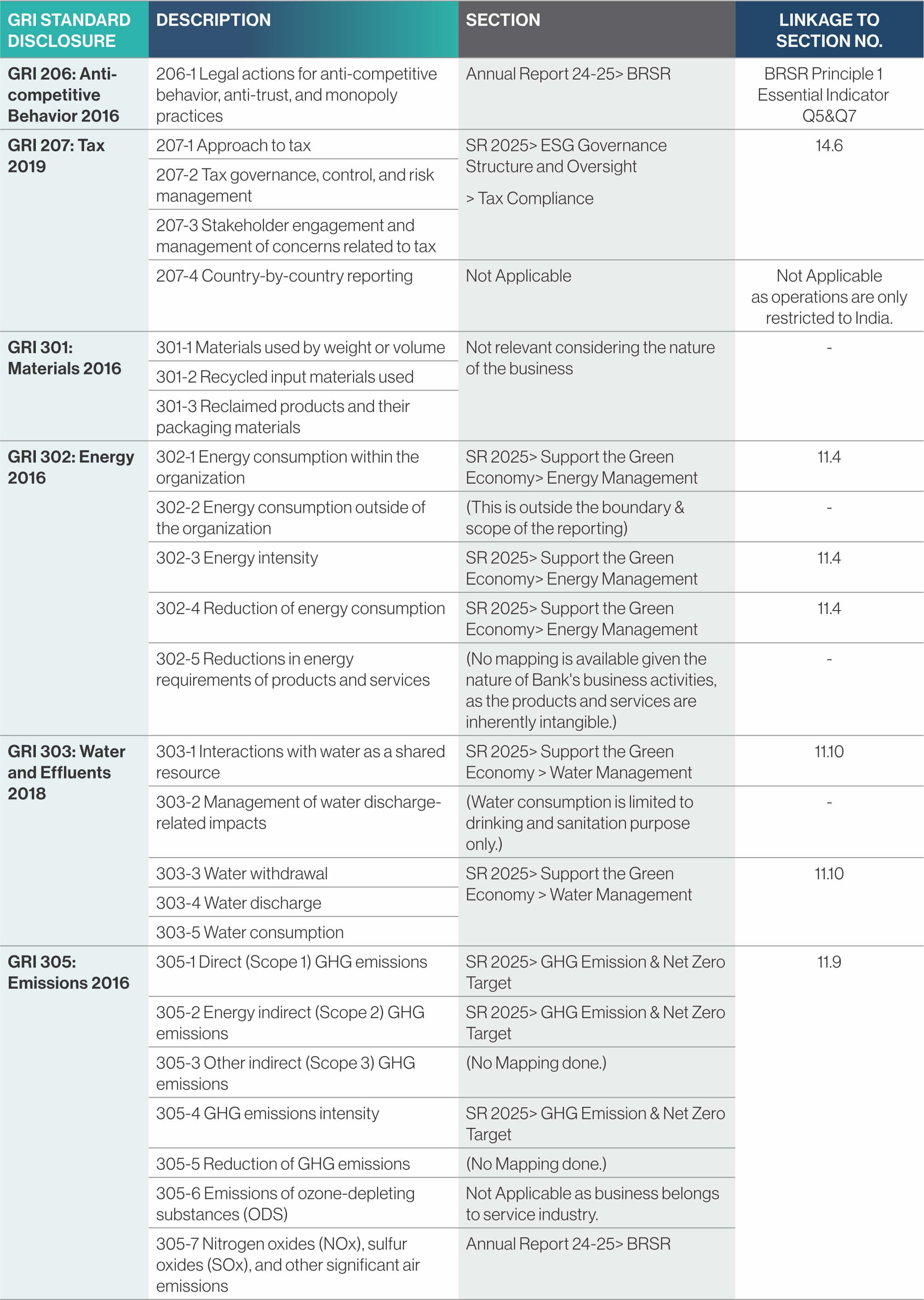
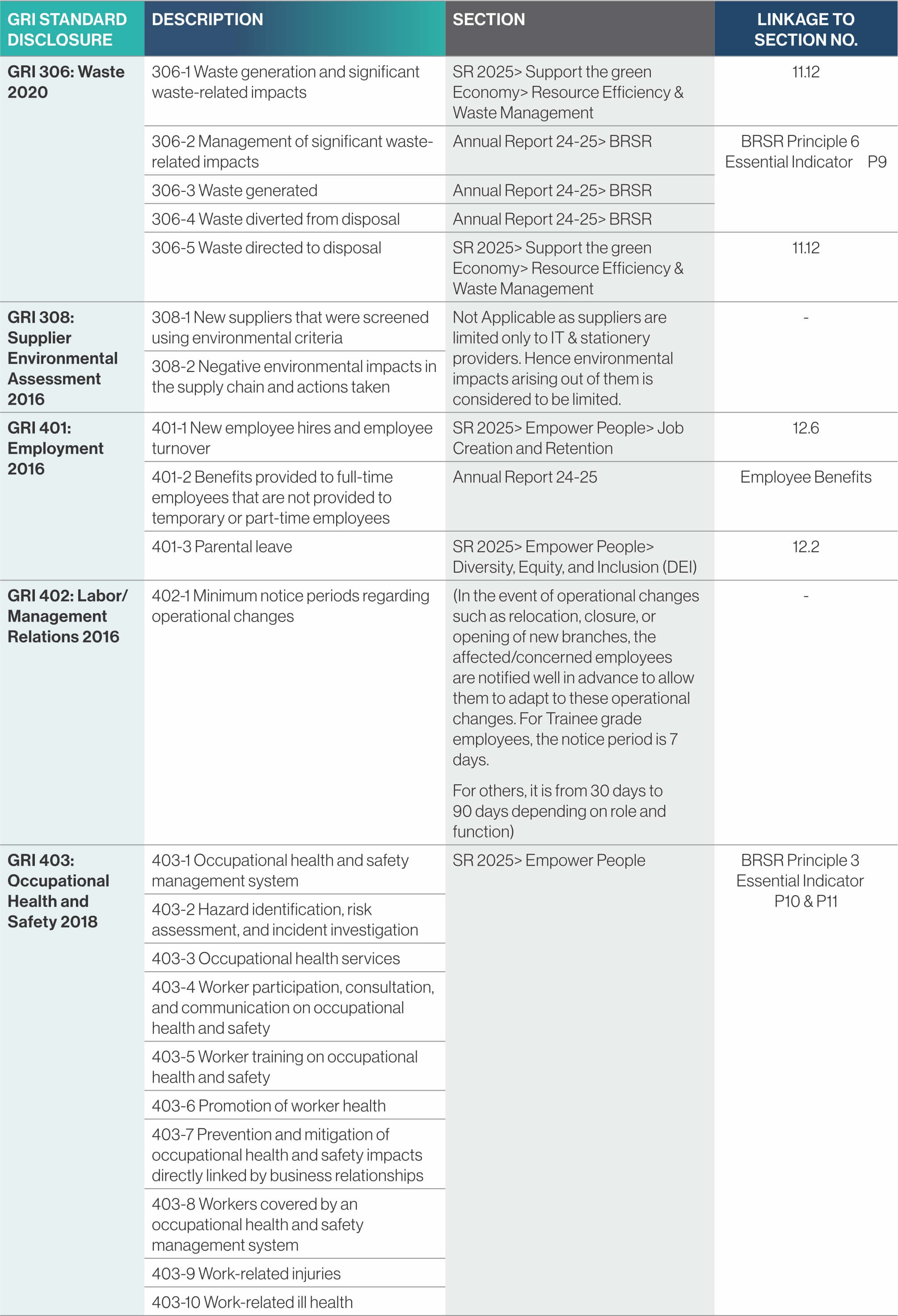
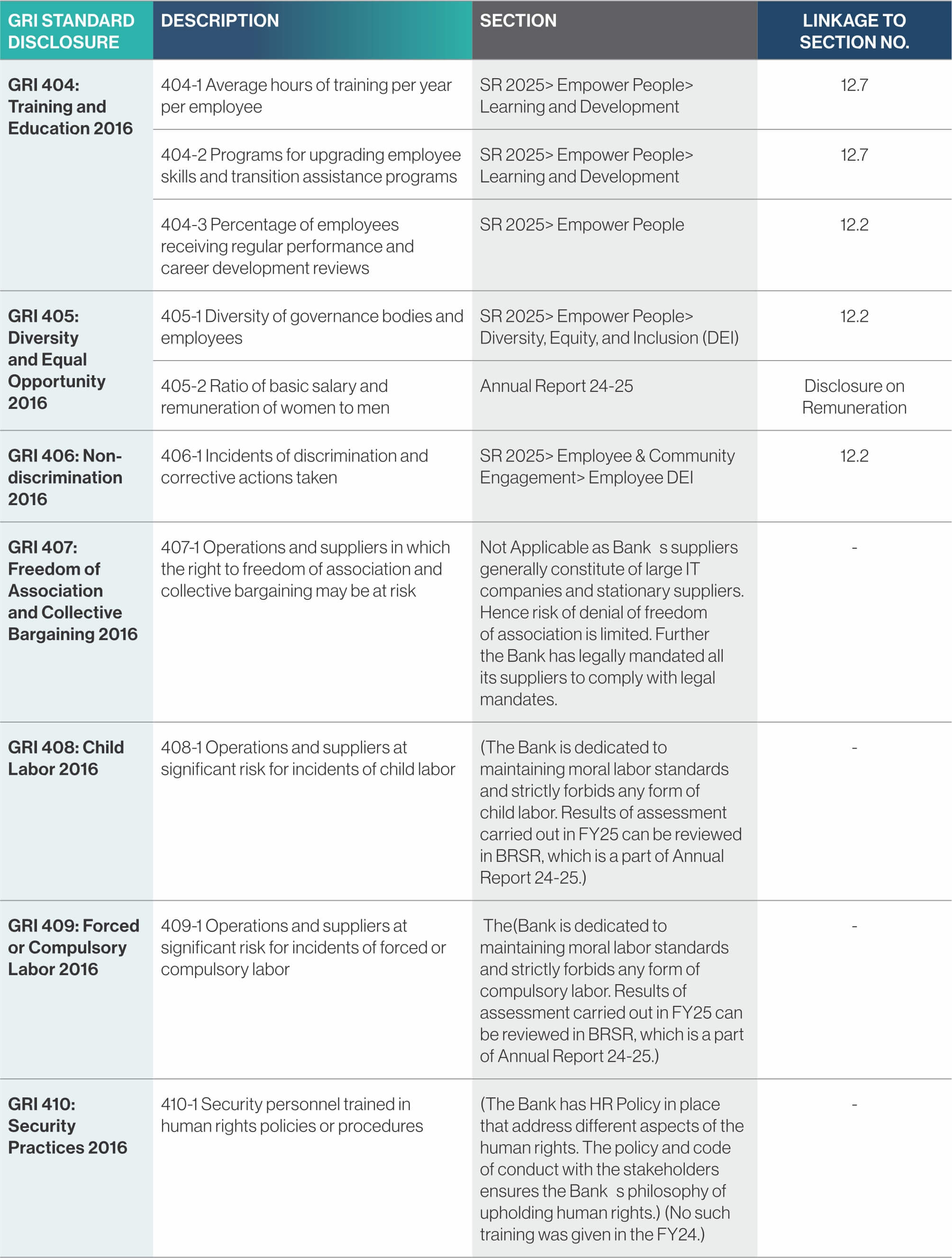
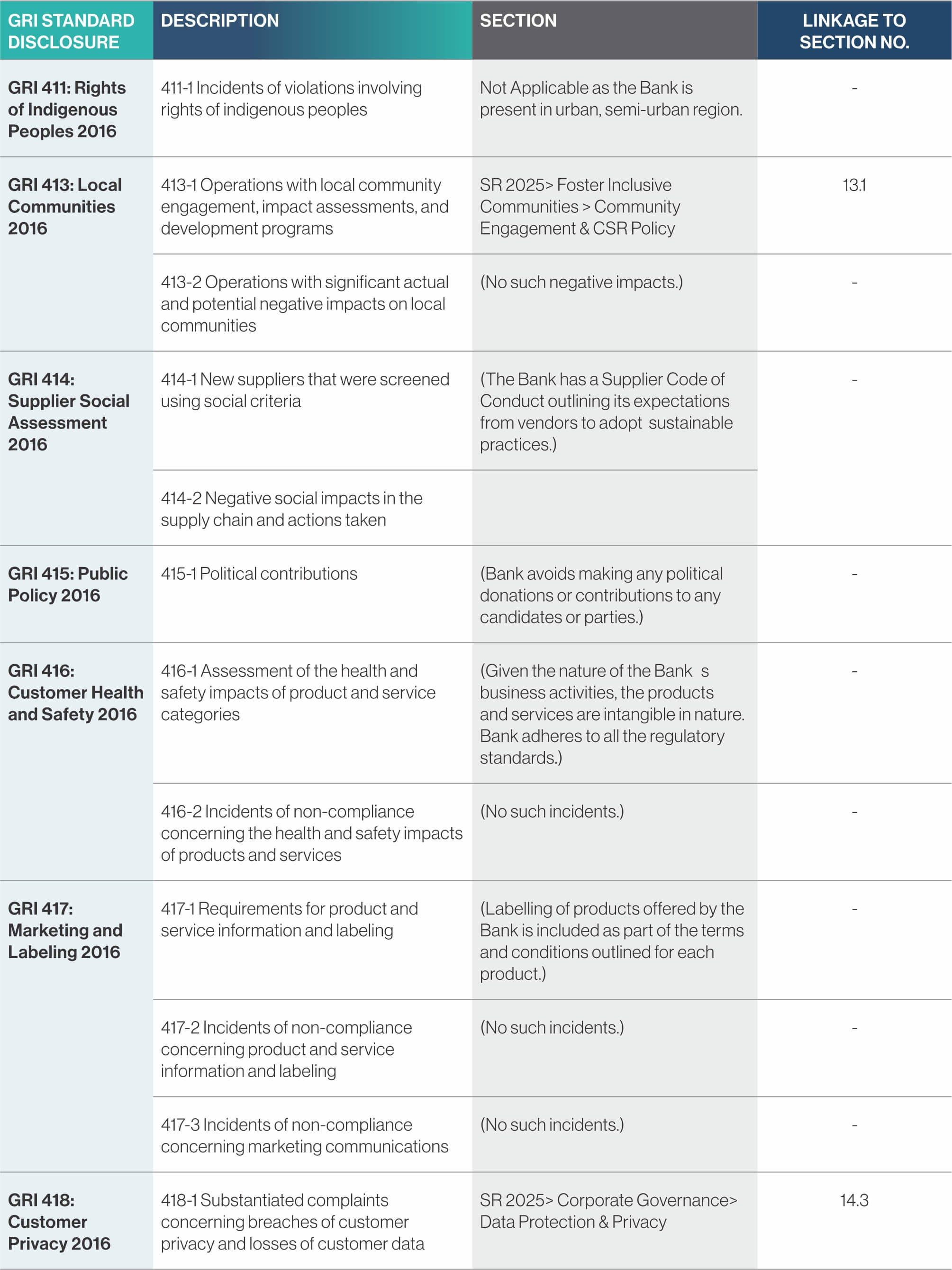
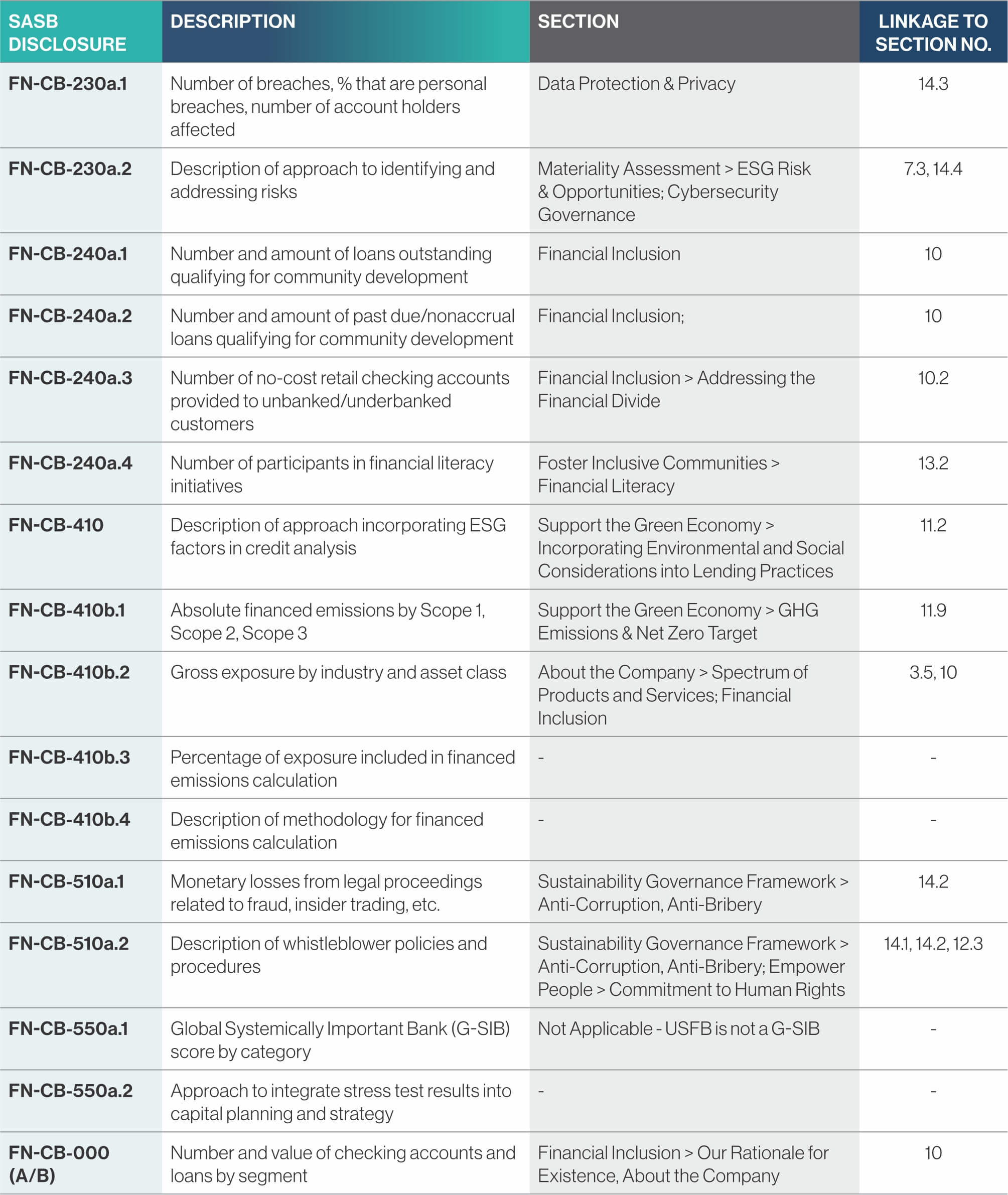
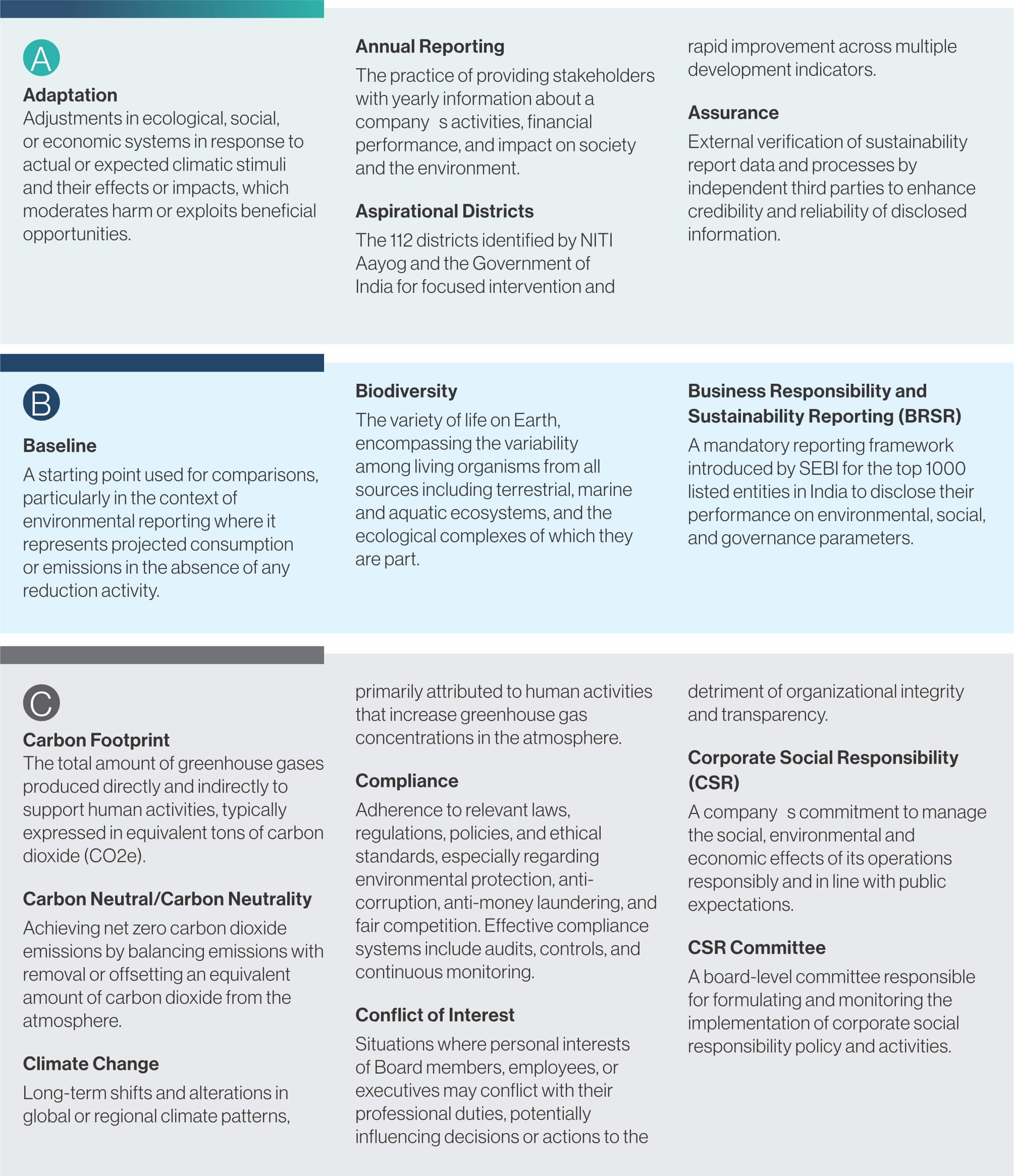
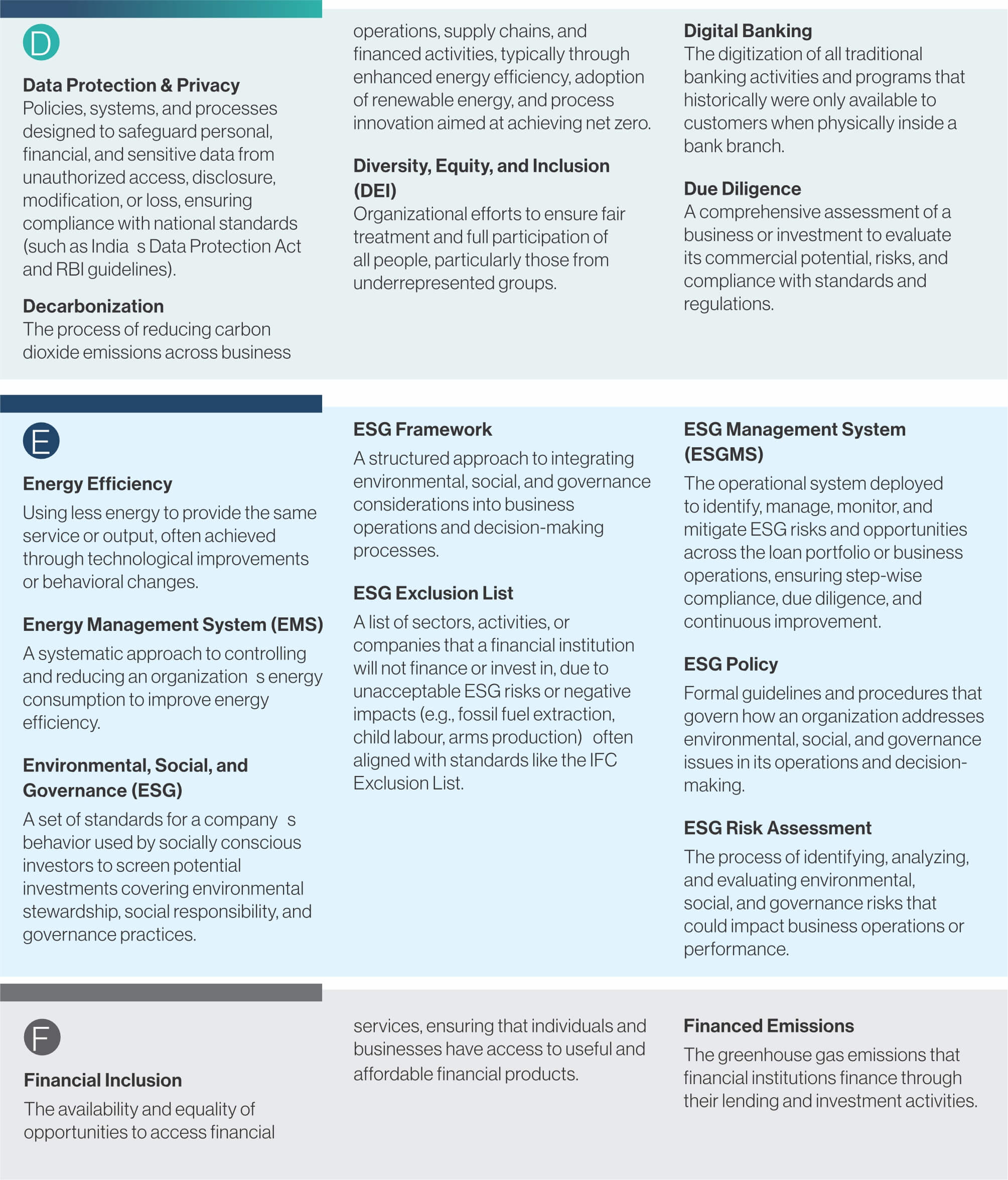
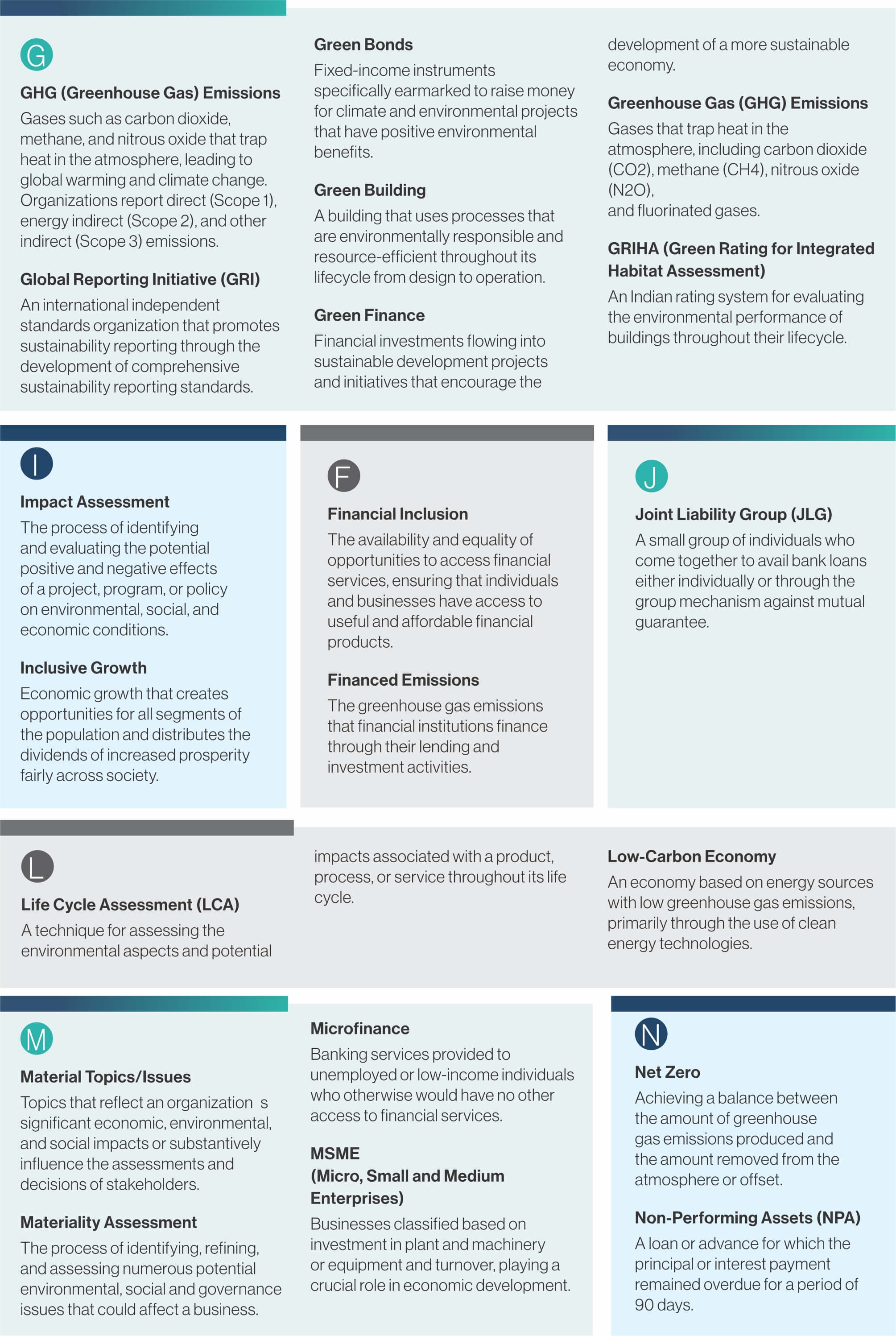


Location
You are never too far away from quick banking, check nearest Bank and ATM

Contact
Incase you wish to speak to our banking experts for resolution

Write to us
Whether it be a simple suggestion or feedback or an inquiry.